Protestant Reformation and Its Impact on Sex, Gender, and Morality
When Martin Luther challenged the Catholic Church in the 1500s, he didn’t just rewrite theology—he rewired how Western society thought about Protestant Reformation, a 16th-century religious movement that rejected papal authority and redefined Christian life, including sex, marriage, and gender roles. Also known as the Reformation, it turned clergy marriage from a sin into a virtue, shut down convents, and made the home the new center of spiritual life. This wasn’t just about faith. It was about control. By ending celibacy for priests, the Reformation didn’t liberate sexuality—it moved it from the church to the household, where men became the spiritual heads and women the keepers of moral purity.
The gender roles, the socially enforced expectations of behavior based on sex, often tied to religious doctrine and family structure that emerged from this shift lasted for centuries. Women were no longer seen as temptresses in convents—they became the quiet, obedient wives who managed households, raised godly children, and suppressed their own desires. The sexual morality, the set of religious and cultural rules governing sexual behavior, often enforced through shame and legal penalties of the Reformation laid the groundwork for Victorian ideals: sex was for procreation, not pleasure; women were to be pure, men were to be providers. This moral code didn’t disappear with the 16th century—it evolved. It showed up again in Victorian doctors who called masturbation a disease, in laws that denied women property rights, and in the silence around female desire that lasted well into the 20th century.
What you’ll find below isn’t just history. It’s the ripple effect. Articles on how the Protestant Reformation quietly shaped modern views on masturbation, marriage as an economic contract, and the erasure of female sexuality aren’t random—they’re direct descendants of those 16th-century changes. From the Victorian separate spheres to the medical pathologizing of desire, the roots are there. These posts don’t just tell you what happened—they show you how we got here, and why the silence around sex still carries the weight of centuries of religious reform.
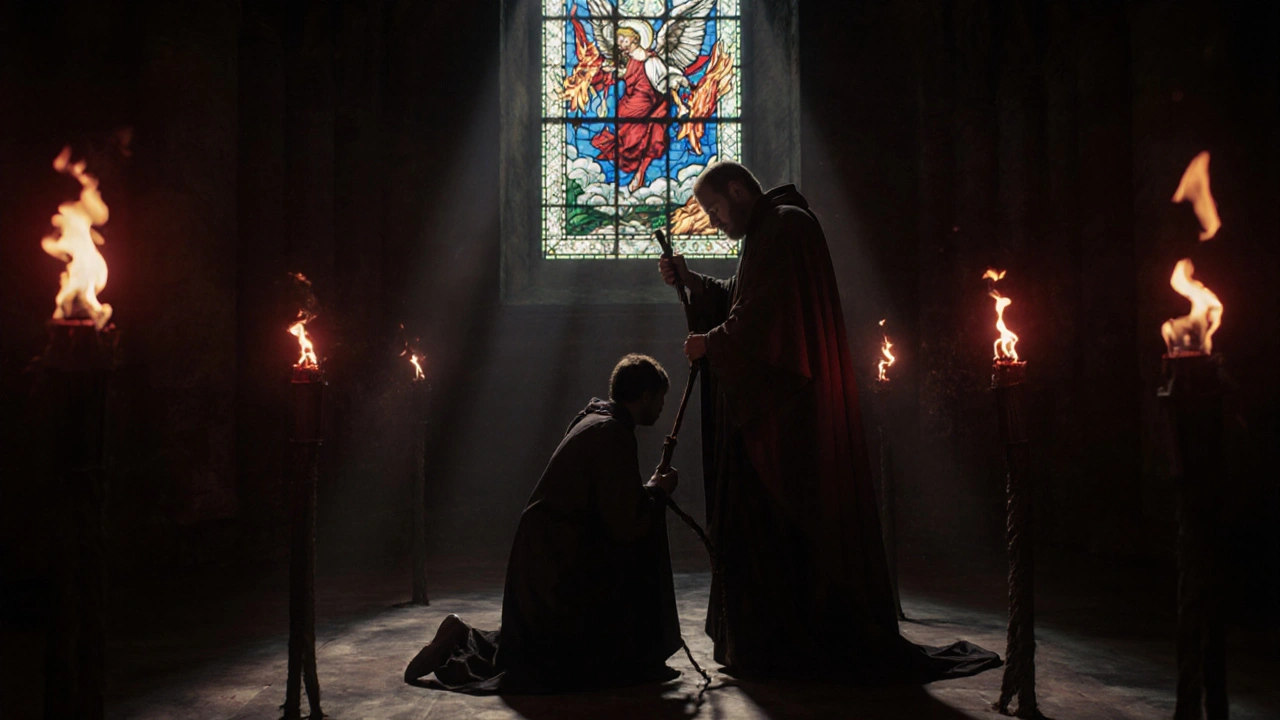
Religious Fragmentation and the Decline of Sexual Damnation
Nov 13 2025 / History & CultureReligious fragmentation has shattered centuries of unified sexual morality. As denominations split over LGBTQ+ rights, contraception, and premarital sex, the fear of divine punishment for sex has collapsed-replaced by personal choice.
VIEW MORE