Public Man: The History of Male Identity, Pressure, and Social Expectations
When we talk about the public man, a man whose behavior, appearance, and emotional expression are shaped by societal expectations rather than personal truth. Also known as the performed male, it is the version of masculinity that shows up in workplaces, public spaces, and family gatherings—not the one that exists in private. This isn’t just about how men act. It’s about how they’ve been trained to act—for centuries.
The masculinity crisis, a widespread collapse in traditional male roles without clear replacements didn’t start yesterday. It’s the result of decades of economic shifts, the decline of blue-collar jobs, and the slow unraveling of the idea that men must be stoic, providers, and emotionally silent. The gender socialization, the process by which families, schools, and media teach boys what it means to be a man begins before a child can talk. Boys are told to be tough, to hide pain, to avoid vulnerability. They learn that crying is weakness, asking for help is failure, and intimacy is a risk—not a reward. This isn’t biology. It’s culture. And it’s killing men.
The male mental health, the psychological toll of rigid gender norms on men’s emotional well-being is not a buzzword. It’s a statistic: men die by suicide at nearly four times the rate of women in the U.S. Why? Because they’ve been taught to suffer in silence. They’ve been told that being a public man means never showing cracks. But cracks are where the light gets in—and where real connection begins.
This collection doesn’t just look at how men are expected to behave. It digs into where those expectations came from. You’ll find how medieval families used marriage as a business deal, how Victorian doctors labeled male desire as dangerous, how police raids on gay bars forced men to hide their true selves, and how tantric traditions once saw male sexuality as spiritual—not just physical. You’ll see how feminism didn’t just change women’s lives—it forced men to rethink what strength really means. And you’ll see how the same systems that told men to suppress emotion also erased their capacity for tenderness, friendship, and healing.
There’s no single fix for the weight carried by the public man. But understanding its history is the first step. These articles don’t preach. They show. They reveal how power, shame, law, and biology have shaped what men believe they must be—and how some are finally breaking free.
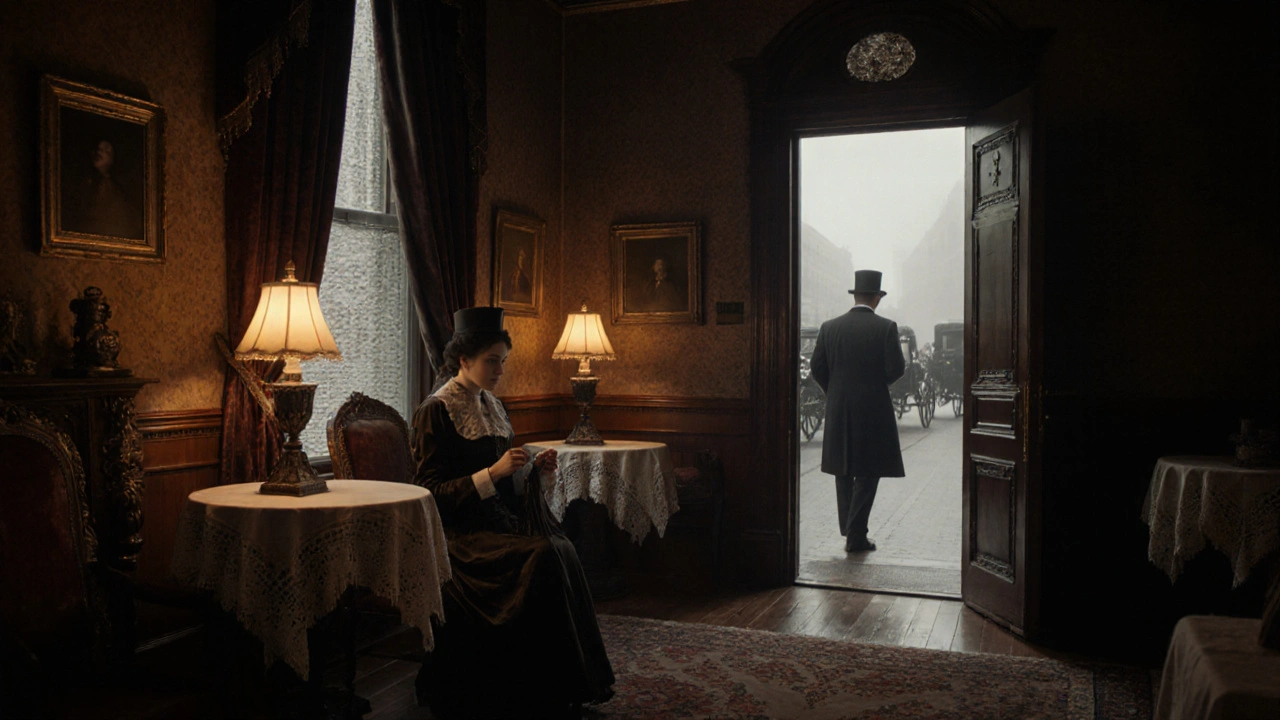
Victorian Separate Spheres: How Domestic Women and Public Men Shaped Gender Roles
Nov 28 2025 / History & CultureThe Victorian separate spheres ideology divided men into the public world of work and politics, and women into the private world of home and family. This rigid system shaped education, jobs, and even literature-and its legacy still echoes in gender roles today.
VIEW MORE