Quickening: The History of Female Sensation, Reproduction, and Cultural Silence
When a pregnant person first feels movement inside them, it’s called quickening, the moment fetal movement becomes perceptible to the pregnant person, historically used to mark the onset of ensoulment and legal personhood. Also known as the first kick, it’s one of the most intimate, yet politically charged, experiences in reproductive history. For centuries, quickening wasn’t just a physical sensation—it was a legal turning point. In English common law, abortion before quickening wasn’t a crime. After? It could mean jail, exile, or worse. Women’s bodies were judged by when they felt life move—not by science, but by power.
This moment tied into deeper ideas about female sensation, the subjective experience of bodily change in pregnancy, often dismissed or pathologized by male-dominated medicine. Victorian doctors called it "hysterical" or "nervous." They didn’t trust women to describe their own bodies accurately. Meanwhile, reproductive biology, the scientific study of how pregnancy develops, including fetal development and maternal perception was still in its infancy. No ultrasounds. No Dopplers. Just intuition, timing, and the quiet thrill—or fear—of feeling something alive move inside you. Quickening became a threshold: between uncertainty and certainty, between secrecy and proof, between control and surrender.
And yet, the timing of quickening varied wildly—from 14 to 20 weeks—depending on the person, the pregnancy, even the culture. Some Indigenous traditions recorded it as early as 12 weeks. In medieval Europe, it was often linked to spiritual awakening. In 19th-century America, it was used in courtrooms to decide if a woman had committed a crime. Even today, when abortion laws hinge on viability, quickening lingers in the background—not as a medical fact, but as a ghost of old rules.
What you’ll find here are stories that dig into that ghost. Articles that show how quickening was tied to gendered medicine, the historical practice of diagnosing and treating women’s bodies through biased, often patriarchal, medical frameworks. How women’s sensations were ignored, mislabeled, or weaponized. How the same body that could feel life move was denied the right to control it. These posts don’t just talk about history—they uncover the silence around female experience, from Victorian-era hysteria to modern IVF protocols, from banned erotic poetry to the fight over bodily autonomy. This isn’t about when life begins. It’s about who gets to say.
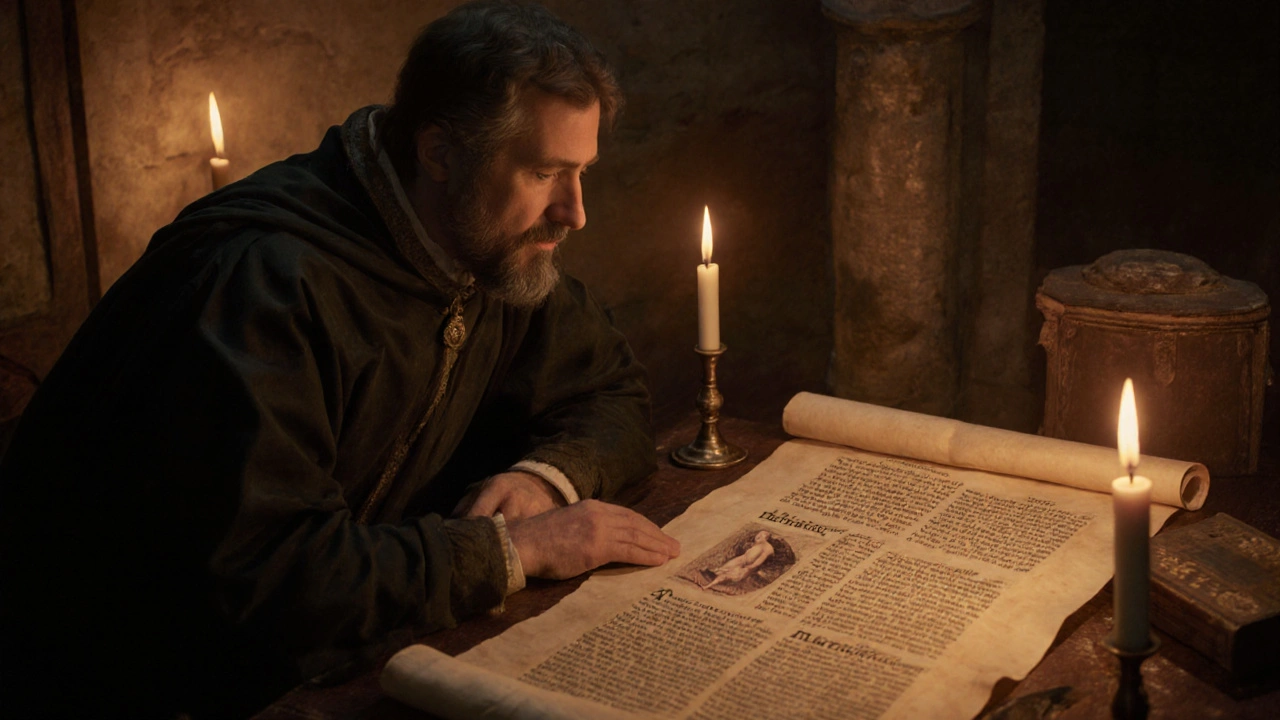
Henry de Bracton and the Real Medieval View on Abortion
Oct 29 2025 / History & CultureHenry de Bracton’s medieval view on abortion wasn’t about banning all abortions-it was about quickening, theology, and protecting male heirs. Modern claims that he supported total bans ignore the full legal context.
VIEW MORE