Quran 2:223 and the History of Sexual Ethics in Religious Texts
When you hear Quran 2:223, a verse from the Islamic holy text that addresses marital relations and has been interpreted in countless ways across cultures and centuries. Also known as the verse of harvest, it has been used to justify everything from intimate guidance to systemic control over women’s bodies. This single line—"Your wives are as a tilth for you; so approach your tilth when or how you will"—has shaped laws, sparked protests, and fueled theological wars for over a thousand years.
It doesn’t exist in isolation. Islamic sexual ethics, the framework of rules, traditions, and interpretations that govern intimacy, marriage, and gender roles in Muslim societies are built on layers of history: pre-Islamic Arab customs, Byzantine legal codes, Persian courtly norms, and later colonial influences. These ethics don’t just come from scripture—they’re filtered through scholars, political leaders, and everyday families. And they often mirror the same tensions we see in other religious traditions: control vs. consent, duty vs. desire, public morality vs. private life. The religious views on sexuality, how faith systems define what is acceptable, sinful, or sacred in human intimacy have rarely been about pleasure—they’ve been about order. From Victorian-era doctors labeling masturbation as madness to medieval Christian theologians fearing female desire, the pattern repeats: those in power use religion to regulate bodies, especially women’s.
What’s missing from most debates about Quran 2:223 is context. The verse was revealed in a time when marriage was an economic contract, women had little legal standing, and childbirth was deadly. It wasn’t written to be a sex manual—it was a social directive in a patriarchal world. But over time, it became weaponized. Some modern interpretations focus on mutual pleasure and consent, citing other Quranic verses that emphasize kindness and equity. Others use it to silence women’s autonomy, turning spiritual guidance into legal control. Meanwhile, the gender in religious texts, how male and female roles are constructed, reinforced, or challenged through sacred writings across faiths—Christian, Jewish, Hindu, Buddhist—follow similar patterns. The same words that once justified dowries and arranged marriages now get quoted to oppose birth control or LGBTQ+ rights.
What you’ll find below isn’t a defense or a condemnation of Quran 2:223. It’s a collection of real stories, historical analyses, and cultural critiques that show how religion, power, and sexuality have always been tangled. From Victorian doctors pathologizing female desire to Etruscan tomb paintings celebrating pleasure in death, these articles reveal a deeper truth: no text speaks for itself. It’s always been interpreted—and those interpretations change with who’s holding the pen.
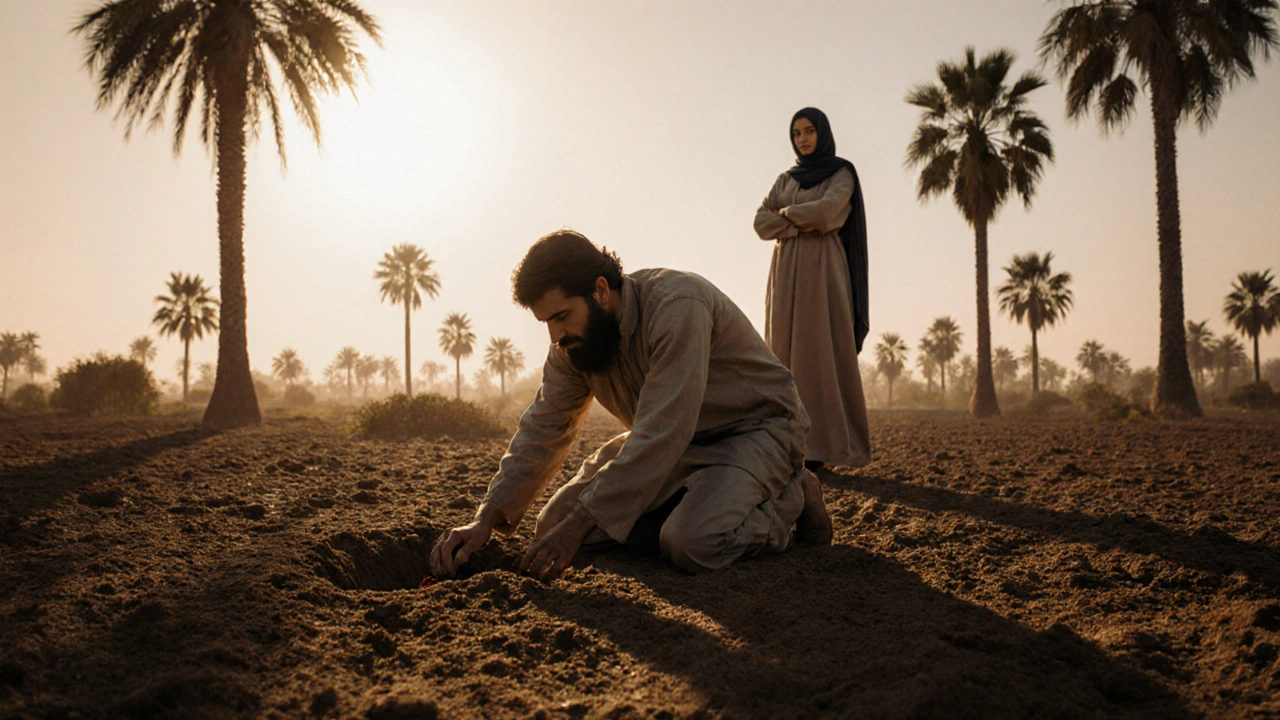
Quranic 'Tilth' Metaphor: What It Really Means About Marriage and Gender
Nov 5 2025 / History & CultureQuran 2:223's 'tilth' metaphor is often misunderstood as objectifying women, but it's actually a call for responsible, nurturing marriage rooted in 7th-century agricultural wisdom and spiritual accountability.
VIEW MORE