Quran and marriage: How Islamic teachings shape relationships, consent, and gender roles
When we talk about Quran and marriage, the foundational Islamic framework for marital relationships based on divine guidance, mutual consent, and contractual obligation. Also known as Islamic nikkah, it’s not just a ceremony—it’s a legal, spiritual, and social bond with rules that have guided families for over 1,400 years. Unlike modern Western views that often treat marriage as a romantic contract, the Quran frames it as a covenant between two people, their families, and God. It requires clear agreement, financial responsibility, and ongoing care—not just love. This system gives both spouses defined rights: the wife gets a dowry (mahr), the right to refuse sex, and protection from abandonment; the husband is responsible for housing, food, and emotional support. These aren’t suggestions—they’re obligations.
One of the biggest misunderstandings is that the Quran forces women into submission. But the text actually demands mutual respect. Surah 30:21 calls spouses "clothing" for each other—protection, comfort, and intimacy. Surah 4:19 warns men not to treat wives harshly, even if they dislike them. And Surah 2:228 says women have rights similar to their obligations. The idea of consent? It’s built in. A woman cannot be forced into marriage. Historical records show women in early Islamic societies negotiated terms, asked for divorce, and even owned property independently. The gender roles in Islam, the culturally interpreted duties assigned to men and women within marriage, often shaped by local traditions rather than scripture. Also known as Islamic gender norms, it varies wildly—from conservative communities where women need permission to work, to progressive ones where women lead prayers or serve as judges. The Quran doesn’t say a woman must stay home. It says men are protectors and maintainers because they’re financially responsible—not because they’re superior.
Then there’s consent in Islam, the requirement that both parties freely agree to marriage, sexual relations, and divorce, rooted in Quranic principles of justice and autonomy. Also known as Islamic consent standards, it isn’t just about saying "yes." It’s about having the power to say no. A bride’s silence isn’t consent. A husband’s authority isn’t a license to control. The Prophet Muhammad himself emphasized that a virgin’s silence must be sought out and confirmed. And divorce? A woman can initiate it through khul’, even if her husband refuses. This isn’t modern feminism—it’s 7th-century law. Yet today, in many places, cultural norms override these rights. That’s not Islam—it’s patriarchy wearing a religious mask.
The Islamic family law, the body of legal principles derived from the Quran and Hadith that govern marriage, divorce, inheritance, and child custody in Muslim societies. Also known as Sharia family law, it is often misunderstood as rigid. But it’s adaptable. Courts in Indonesia, Morocco, and Turkey have reformed laws to protect women’s rights within an Islamic framework. Polygamy? Allowed, but with strict conditions: equal treatment, financial ability, and the first wife’s consent. Most Muslim men don’t practice it. The Quran itself says if you fear you can’t be fair, marry only one.
What you’ll find in the posts below isn’t a religious lecture. It’s a clear-eyed look at how these ancient rules played out in real lives—how women used them to claim power, how scholars twisted them to control, and how modern Muslims are rewriting the script. From medieval divorce records to today’s legal battles, the story of Quran and marriage is one of tension between divine text and human interpretation. And that tension? It’s where change happens.
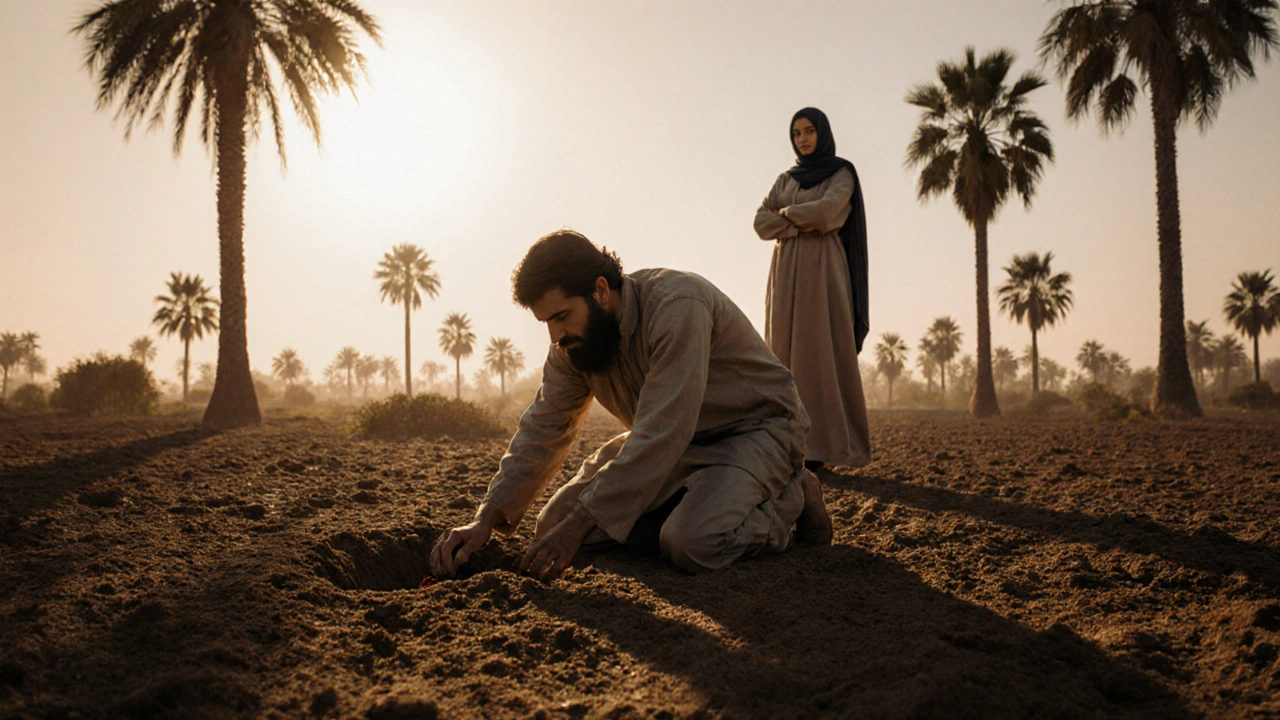
Quranic 'Tilth' Metaphor: What It Really Means About Marriage and Gender
Nov 5 2025 / History & CultureQuran 2:223's 'tilth' metaphor is often misunderstood as objectifying women, but it's actually a call for responsible, nurturing marriage rooted in 7th-century agricultural wisdom and spiritual accountability.
VIEW MORE