Quranic fertility symbolism: How ancient texts link sex, creation, and divine power
When we talk about Quranic fertility symbolism, the use of reproductive imagery in Islamic scripture to represent divine creation, abundance, and spiritual renewal. Also known as sacred fertility imagery in the Quran, it’s not just about having children—it’s about how life itself is framed as a miracle orchestrated by God. Unlike Western religious traditions that often separate sex from the sacred, the Quran ties fertility directly to divine will. Rain, crops, wombs, and even the turning of seasons are described in the same poetic language—as signs of God’s power to bring life from nothing.
This symbolism doesn’t exist in isolation. It connects deeply to Islamic creation myths, narratives in the Quran that describe how Adam, Eve, and all living things were formed through divine command and natural processes. These stories don’t just explain origins—they assign meaning to reproduction. When the Quran says God "gives life to the dead earth" with rain, it’s not just weather. It’s comparing the earth’s fertility to a woman’s womb, both vessels of divine potential. And when it mentions Adam being formed from clay and Eve from his rib, it’s not just anatomy—it’s a blueprint for how life flows from unity and difference. This imagery also links to divine gender duality, the balance of masculine and feminine forces in creation, not as equals but as complementary expressions of God’s will. While God is neither male nor female, the language of the Quran uses male pronouns for God and female imagery for creation, reflecting a cultural and theological framework where fertility is feminine, and the source is masculine. These aren’t random metaphors. They’re repeated across chapters, reinforcing that life, abundance, and spiritual growth are all tied to the same sacred rhythm.
What’s missing from most modern discussions is how this symbolism was never meant to restrict—it was meant to elevate. In early Islamic societies, fertility wasn’t just a personal matter; it was a communal blessing. A fertile wife, a fruitful harvest, a thriving city—all were seen as signs of divine favor. And yet, over time, these symbols got stripped of their richness, reduced to rules about modesty or reproduction. But the original texts? They were wilder, more poetic, more alive. They saw sex not as sinful, but as sacred when aligned with purpose. That’s why you’ll find echoes of this symbolism in the Etruscan tomb paintings, the Tantric rituals, and even the Victorian obsession with female hysteria—all different cultures wrestling with the same question: How do we honor the power of life?
Below, you’ll find articles that dig into these hidden threads—how gender, power, and belief shape what we think about sex, creation, and the body. From ancient fertility rites to modern debates over reproductive rights, the same symbols keep showing up. They’re not just history. They’re still shaping how we understand ourselves today.
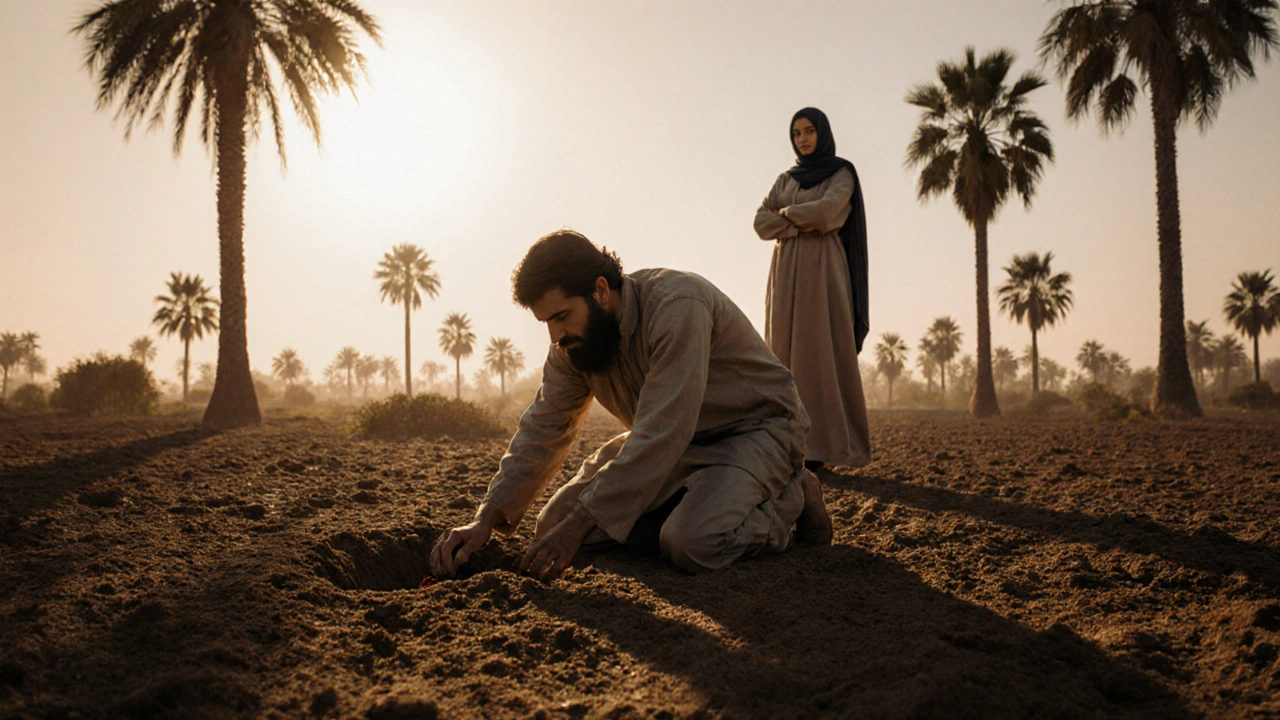
Quranic 'Tilth' Metaphor: What It Really Means About Marriage and Gender
Nov 5 2025 / History & CultureQuran 2:223's 'tilth' metaphor is often misunderstood as objectifying women, but it's actually a call for responsible, nurturing marriage rooted in 7th-century agricultural wisdom and spiritual accountability.
VIEW MORE