Ramesside Period: Sex, Power, and Gender in Ancient Egypt’s Golden Age
When we think of ancient Egypt, we often picture pyramids and pharaohs—but the Ramesside Period, the era of Pharaohs Ramses I through Ramses XI, spanning roughly 1292 to 1077 BCE, marked the last great age of Egyptian imperial power. Also known as the 19th and 20th Dynasties, this was when Egypt’s wealth, military reach, and cultural expression peaked—and so did its open, complex relationship with sex, gender, and the body. This wasn’t a time of repression. It was a time when lipstick signaled political power, sex scenes in tombs guided souls to the afterlife, and women held real authority in temples and households.
Behind the grand temples and stone carvings, everyday life was shaped by deeply rooted gender roles, but also surprising flexibility. Women like Queen Nefertari and later Isis-worshippers wielded spiritual and economic influence. Egyptian cosmetics, including red ochre lipstick worn by elite women, weren’t just for beauty—they were markers of status, divine favor, and sexual agency. Cleopatra’s famous red lips? They weren’t a fluke. They were part of a centuries-old system where appearance was power. Meanwhile, Egyptian funerary art, especially in elite tombs, often showed couples embracing, having sex, or sharing meals in the afterlife. These weren’t decorations. They were rituals—believed to ensure rebirth, fertility, and eternal companionship. Unlike later cultures that linked sex with sin, Egyptians saw it as sacred, natural, and necessary for cosmic order.
The Ramesside Period also laid bare how power controlled bodies. Men dominated the military and bureaucracy, but women still owned property, ran businesses, and could initiate divorce. The same society that celebrated erotic tomb art also punished adultery—especially for women. It was a world of contradictions: sacred pleasure and strict control, female priestesses and patriarchal law. What you’ll find in the posts below isn’t just history—it’s a mirror. From how lipstick became a political tool to how death rituals embraced intimacy, these stories reveal a culture that didn’t hide desire. They just framed it differently. And understanding that framing changes everything about how we see gender, power, and pleasure—not just in Egypt, but in our own time.
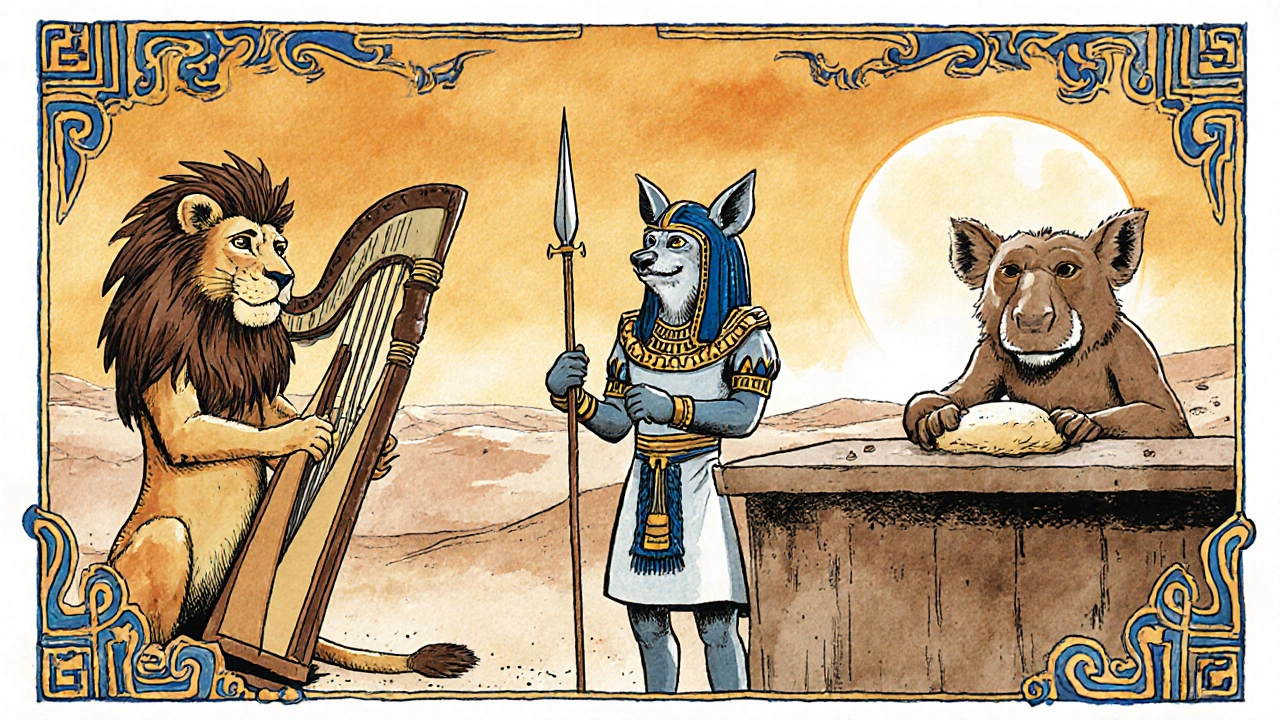
Egyptian Erotic Papyri: Comic Sex Scenes and Sacred Satire
Oct 31 2025 / History & CultureThe Turin Erotic Papyrus, created around 1150 BCE, is the oldest known explicit sexual artwork in human history. Far from being pornographic, it's a satirical comedy that reveals ancient Egyptians' open, humorous, and complex relationship with sex.
VIEW MORE