Renaissance Literature Censorship: How Power Silenced Sex, Gender, and Desire
When we talk about Renaissance literature censorship, the systematic suppression of texts that challenged religious, political, or sexual norms during the 14th to 17th centuries. Also known as ecclesiastical or moral censorship, it wasn’t just about stopping heresy—it was about controlling how people thought about the body, desire, and gender. This wasn’t random book burning. It was a quiet, calculated system: printers needed licenses, authors faced exile, and even poets had to rewrite their lines to avoid the Inquisition.
Think of it this way: sexual censorship, the banning of explicit or even suggestive language about love, pleasure, or non-heteronormative relationships wasn’t just about modesty. It was tied to who held power. Women’s voices were erased not because they wrote too much sex, but because they wrote too much truth—about desire, autonomy, and the hypocrisy of male-dominated courts. Meanwhile, Renaissance morality, the rigid code that equated sexual expression with sin and female agency with danger turned every sonnet into a potential crime scene. A line about a woman’s thigh could get a book burned. A reference to same-sex intimacy could land a writer in prison. Even the famous Boccaccio had his tales edited, his edges smoothed over by censors who feared what stories could do to social order.
And here’s the twist: censorship didn’t kill these ideas—it hid them. Writers used coded language, Latin phrases, allegories, and mythological references to slip past the guards. A rose wasn’t just a flower—it was a symbol for the clitoris. A nymph wasn’t just a spirit—it was a stand-in for a woman who refused to be silent. These weren’t just literary tricks. They were acts of resistance. And today, we’re still uncovering those hidden texts—manuscripts smuggled out of convents, poems tucked into private diaries, plays performed in secret halls.
What you’ll find in the posts below isn’t just history. It’s the legacy of those silenced voices. From how Victorian doctors recycled Renaissance fears about female pleasure, to how lesbian erasure in archives began long before the 20th century, these stories show that censorship didn’t end with the Renaissance—it evolved. And if you’ve ever wondered why we still fight over what gets taught in schools, or why certain bodies are still seen as dangerous in literature, the answer starts here—in ink, in fear, and in the quiet rebellion of a writer who refused to look away.
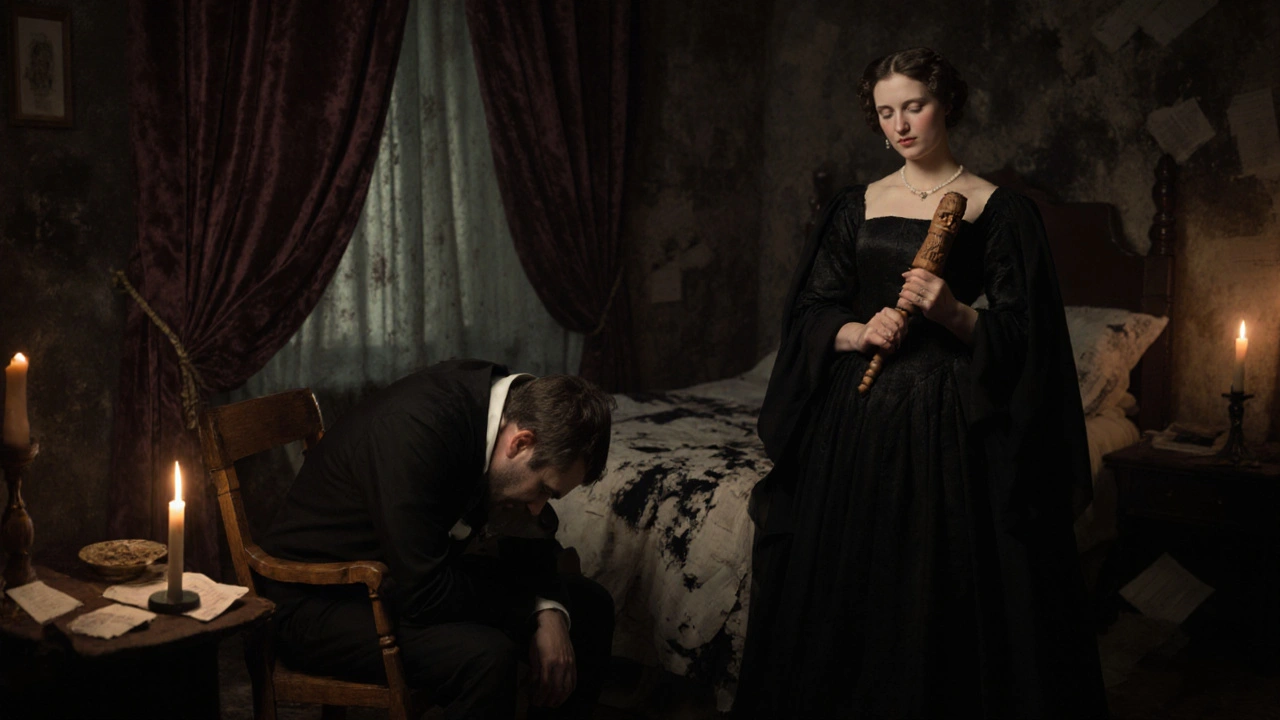
Nashe’s ‘Choice of Valentines’: The Banned Dildo Poem and the Fight Over Erotic Literature in Elizabethan England
Nov 10 2025 / History & CultureThomas Nashe's banned 1592 poem 'The Choise of Valentines' exposes male impotence and female agency in Elizabethan England through a shocking dildo scene-once censored, now a key text in understanding Renaissance sexuality and satire.
VIEW MORE