Río Negro Massacres: When Sexual Violence Became a Weapon of State Control
When we talk about the Río Negro Massacres, a series of state-sponsored killings in Guatemala during the 1980s targeting Indigenous communities. Also known as the Ixil Genocide, these massacres weren’t just about killing people—they were about breaking families, silencing women, and erasing culture through sexual violence as a tactic of war. This isn’t just history. It’s a pattern: when power wants to crush resistance, it often targets the body—especially women’s bodies—as a way to control the community.
Sexual violence in the Río Negro Massacres wasn’t random. It was planned. Survivors reported rape, forced nudity, and public humiliation before execution. These acts weren’t just cruelty—they were designed to destroy trust, shame survivors into silence, and make communities afraid to speak up. The same patterns show up in other state violence: in Argentina’s Dirty War, in Bosnia, in the U.S. prison system. Sexual violence becomes a weapon when the state wants to erase identity, not just lives. And for decades, the world looked away. Even after the truth came out, many survivors were denied justice because their stories didn’t fit neat legal categories. Courts focused on murder, not rape. Reports ignored the gendered terror. The sexual violence, the targeted use of rape and humiliation as tools of political control. Also known as gender-based violence in conflict, it remains one of the most under-prosecuted crimes in international law.
The silence around these events didn’t end with the massacres. It continued in archives, in textbooks, and in how history was written. Women who survived were often excluded from official reports. Their testimonies were dismissed as emotional or unreliable. Meanwhile, the men who carried out the violence were labeled as soldiers, not rapists. This erasure isn’t accidental—it’s systemic. Just like how lesbian history was scrubbed from archives, or how intersex surgeries were hidden behind medical jargon, the sexual violence of Río Negro was buried under layers of denial. But survivors didn’t stay quiet. They organized. They testified. They forced courts to listen. Their fight mirrors the battles in other movements: for consent, for bodily autonomy, for truth in history. The articles below don’t just talk about sex—they talk about power. About how control is enforced through silence. About how shame is weaponized. About how people reclaim their stories when the world tries to erase them. You’ll find pieces on how consent was denied in medieval marriages, how police raids silenced gay bars, how female pleasure was pathologized, and how medical systems violated bodies without permission. These aren’t separate stories. They’re all connected by the same thread: who gets to control the body, and who gets to speak.
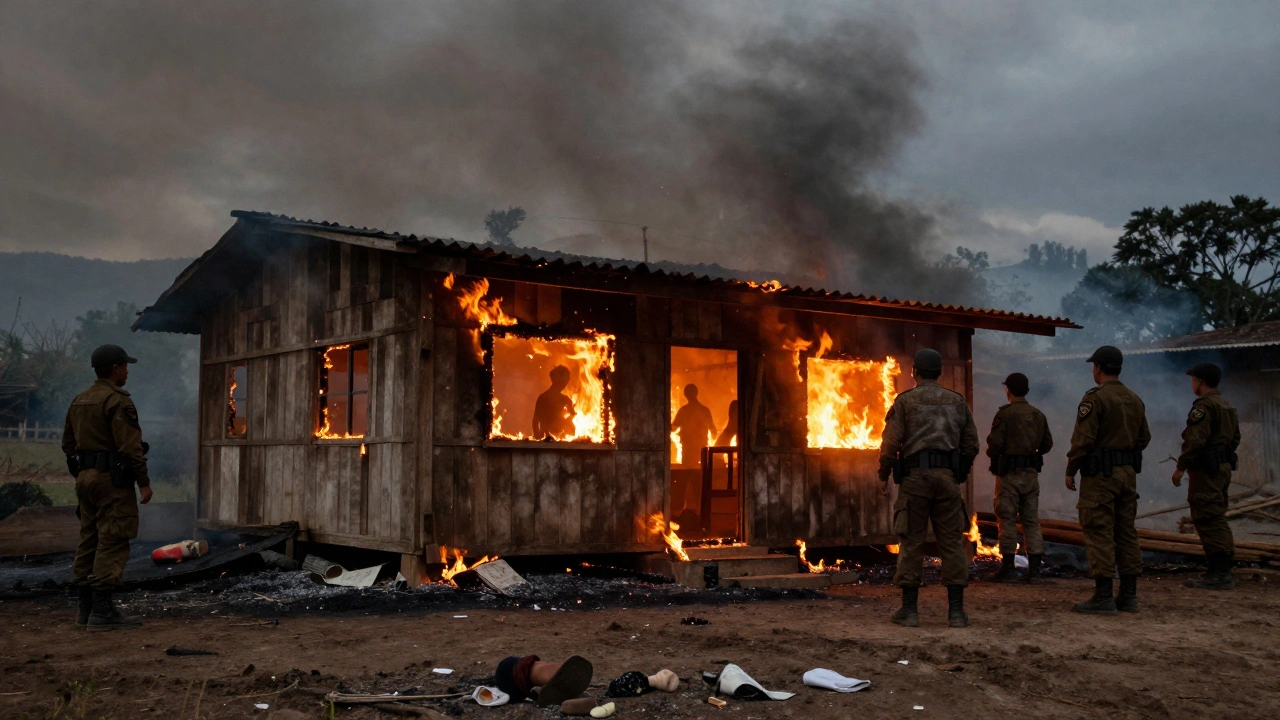
The Río Negro Massacres: Sexual Violence as a Weapon in Cold War Guatemala
Dec 6 2025 / History & CultureThe Río Negro Massacres were a state-sponsored genocide against Q’eqchi’ Maya communities in Guatemala during the Cold War. Sexual violence was a systematic weapon used to destroy cultural identity, yet remains underreported. Survivors still seek justice.
VIEW MORE