Roman aediles: How Ancient Officials Shaped Public Morality and Sex Laws
When you think of ancient Rome, you might picture emperors, gladiators, or grand temples—but one of the most powerful forces shaping daily life, especially around sex and public behavior, were the Roman aediles, elected officials in ancient Rome responsible for public order, markets, and moral policing. Also known as curule aediles, they weren’t generals or senators, but they held real authority over what people could say, sell, or do in public—and that included controlling sexuality, nudity, and entertainment. These men decided which plays were too risqué, which brothels stayed open, and which festivals crossed the line into indecency. They didn’t just manage trash collection or grain supplies; they acted as the empire’s first moral police.
The aediles’ power over public morality directly tied into how Romans viewed sex, gender, and control. They enforced sumptuary laws that banned excessive luxury, which often meant restricting how women dressed in public. They cracked down on pornographic art in marketplaces and shut down performances deemed too explicit. Their role wasn’t just about cleanliness or order—it was about maintaining social hierarchy. A man showing too much skin? Problematic. A woman being too visible? Dangerous. The aediles enforced these norms through fines, public shaming, and even temporary bans from the city. Their decisions weren’t based on modern ideas of consent or rights—they were about preserving the image of Rome as disciplined, orderly, and morally superior.
What’s surprising is how much their work echoes today. The same debates about censorship, public nudity, and who gets to define decency? They started here. The Roman aediles laid the groundwork for later systems of moral policing—from Victorian obscenity laws to modern zoning rules for adult businesses. Their legacy isn’t just in history books; it’s in the way societies still use bureaucracy to control sexuality. You’ll find their fingerprints in the Hicklin Test, in the suppression of erotic art, and even in how prostitution was regulated in ancient markets. The posts below dig into these connections: how ancient officials shaped what we still consider acceptable, how their tools of control were copied across centuries, and how resistance to their power mirrors modern fights for bodily autonomy and free expression. This isn’t just about Rome—it’s about the long, quiet history of who gets to decide what sex looks like in public.
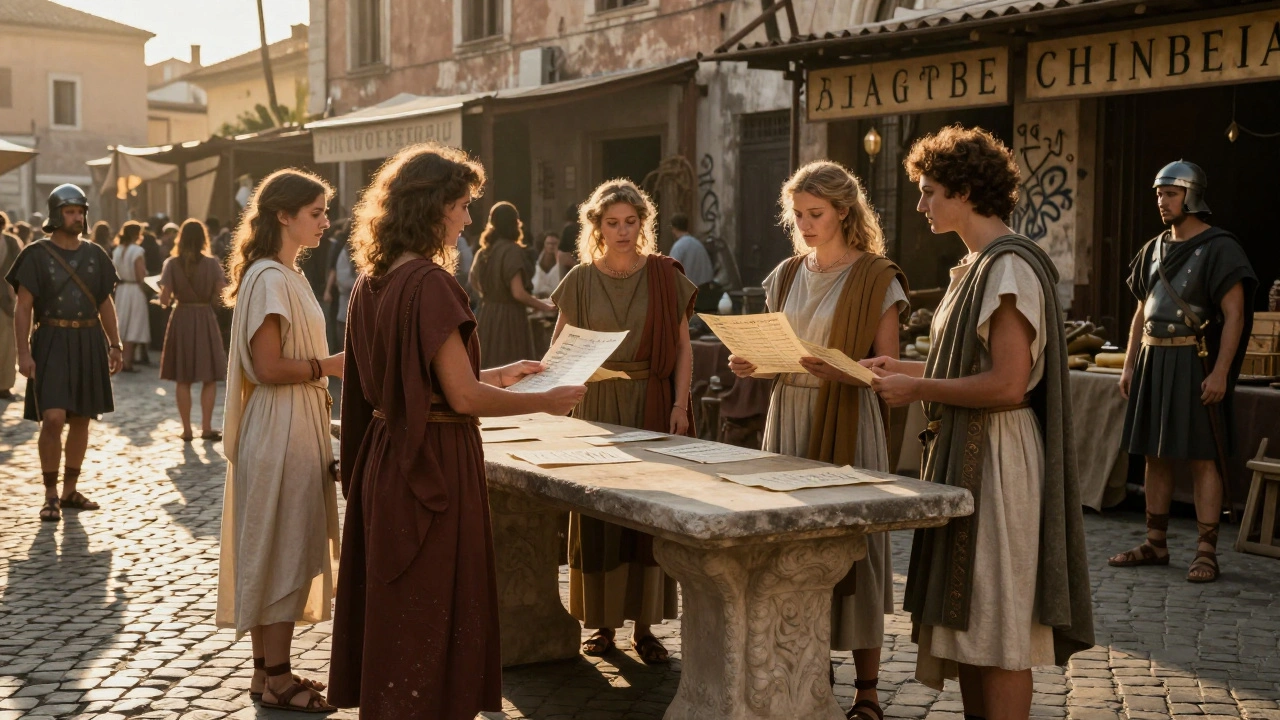
Imperial Taxes on Prostitution: How Rome Taxed Sex Work from Caligula to Anastasius
Dec 9 2025 / History & CultureFrom Caligula to Anastasius, Rome taxed sex work for nearly 500 years - turning marginalized women into revenue sources while denying them basic rights. A deep look at the world's first state income tax on prostitution.
VIEW MORE