Roman Prostitution: How Sex Work Shaped Ancient Society and Law
When you think of Roman prostitution, the legal, widespread, and socially integrated form of commercial sex in ancient Rome. Also known as public venery, it was far from hidden—it was regulated, taxed, and even protected by law. Unlike later Christian societies that punished sex work as sin, Rome treated it as a necessary part of urban life. Women—and sometimes men—worked in brothels called lupanaria, on street corners, or in taverns, offering services to soldiers, merchants, slaves, and even senators. This wasn’t fringe behavior. It was infrastructure.
The Roman brothels, structured, numbered, and often marked with explicit frescoes to signal their purpose. Also known as lupanaria, they were common in cities like Pompeii and Ostia, where archaeologists still find rooms with stone beds and graffiti detailing prices and patrons. Prices were low—often just a few copper coins—and records show clients paid in cash, sometimes with receipts carved into walls. Prostitutes were usually slaves, freedwomen, or immigrants with few other options. They had no legal rights, but they weren’t illegal. In fact, Roman law required them to register, wear distinct clothing, and pay taxes. This wasn’t exploitation ignored—it was exploitation organized.
Roman sexual norms, a complex mix of public morality and private freedom that allowed male dominance but punished female autonomy. Also known as pudicitia, these norms held that men could have sex with anyone except married free women, while women were expected to remain chaste. A man sleeping with a prostitute wasn’t seen as immoral—it was expected. But if he slept with another man’s wife, that was a crime. This double standard wasn’t hypocrisy—it was a system designed to control lineage, property, and social order. Women’s sexuality was a tool for family power, not personal choice.
And then there’s the law. Roman law and sexuality, a framework that regulated sex not to stop it, but to channel it into socially acceptable forms. Also known as lex Iulia de adulteriis, laws like the Julian adultery code targeted elite women, not sex workers, because the real threat wasn’t sex—it was illegitimate heirs. Prostitutes were excluded from these laws because their children didn’t inherit status. Their bodies were useful, disposable, and legally separate from the families they served.
What you’ll find in these posts isn’t just history—it’s the raw, unfiltered truth about how power, gender, and economics shaped one of the oldest industries in the world. You’ll see how Roman brothels functioned like modern strip clubs with receipts, how slaves turned sex into survival, and how the same double standards still echo in today’s debates about consent, class, and control. This isn’t about titillation. It’s about understanding how societies build systems around desire—and who pays the price.
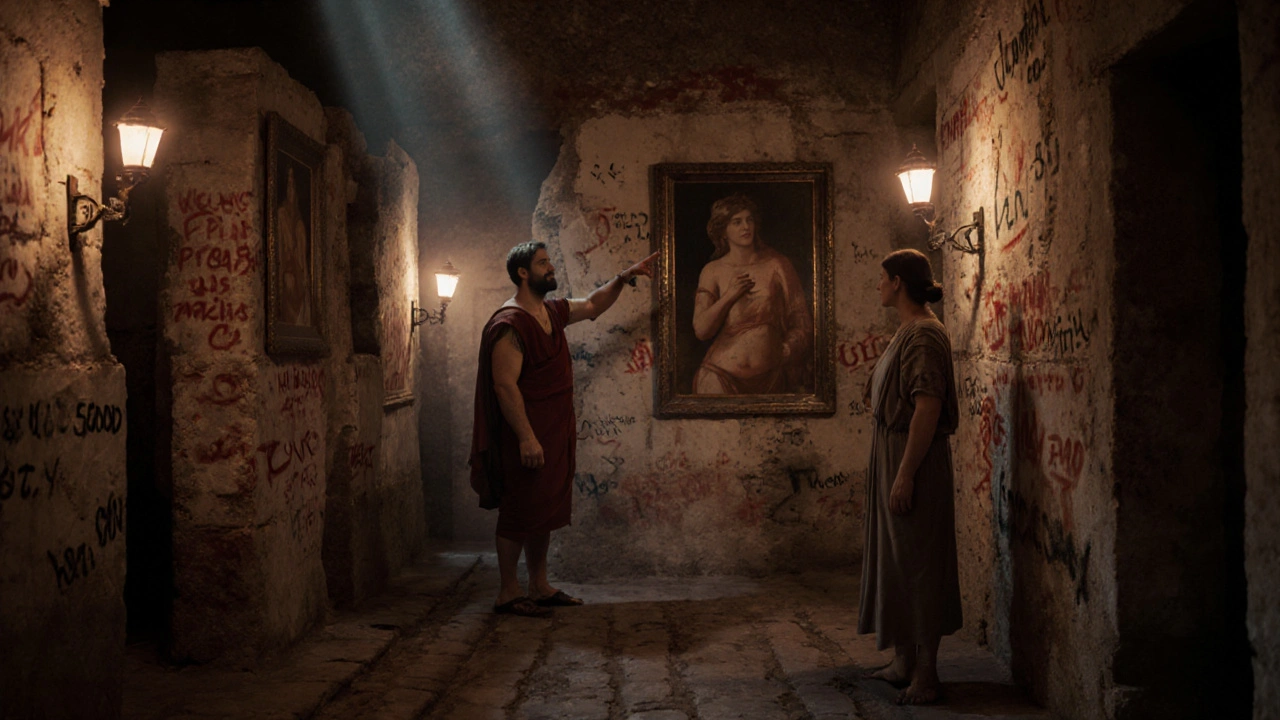
Roman Sex Work Categories: Meretrices, Lupae, and Tabernae Differentiation
Oct 28 2025 / History & CultureRoman sex work was legal, taxed, and strictly categorized. Meretrices were registered workers with limited rights, lupae were unregistered street workers with no protection, and tabernae were the brothels where it all happened. This system reflected Rome’s complex views on gender, class, and power.
VIEW MORE