Roman Prostitution Tax: How Ancient Rome Regulated Sex Work
When you think of ancient Rome, you might picture gladiators, emperors, or marble temples—but you should also think about Roman prostitution tax, a state-imposed fee on sex workers that turned commercial sex into a formal part of the imperial economy. Also known as portoria meretricia, this tax wasn’t just about revenue—it was a way for Rome to control, monitor, and normalize sex work in a society where it was everywhere. Unlike modern debates that frame sex work as purely moral or criminal, Rome treated it like any other business: registered, taxed, and tracked.
The tax applied to anyone who sold sex publicly, whether in brothels, streets, or taverns. Prostitutes—mostly women, but also some men and enslaved people—had to register with local officials and pay a fee, often collected by the state or contracted out to tax farmers. The money flowed into public coffers, helping fund roads, aqueducts, and even grain distributions. Meanwhile, brothels were legally required to display their licenses, and clients paid extra for the privilege of using them. This system made Rome one of the first civilizations to treat sex work as a taxable economic activity, not a hidden sin.
But the tax didn’t just fund the empire—it revealed how Rome saw gender, power, and class. Free women who turned to sex work were often poor, widowed, or displaced. Enslaved people had no choice. The tax didn’t protect them; it just made their exploitation official. And while upper-class men could visit brothels without shame, the women who served them were branded as infames—legally discredited, barred from testifying in court, and denied basic rights. This wasn’t regulation for safety—it was regulation for control.
What’s surprising is how much of this system echoes today. Modern debates about decriminalization, licensing, and taxation of sex work didn’t start in the 21st century. They started in the Forum. The Roman Empire economy, a complex system that relied on slavery, trade, and state revenue made room for sex work because it was profitable and predictable. The historical sex trade, a global pattern of regulated commerce across cultures has always been shaped by who holds power—and who gets left out.
Below, you’ll find articles that dig into the deeper history behind this system: how sex was sold in ancient temples, how legal frameworks like the Hicklin Test later tried to silence similar conversations, and how modern sex work is still fighting for recognition, safety, and rights. These aren’t just old stories—they’re the roots of today’s debates about autonomy, law, and who gets to profit from intimacy.
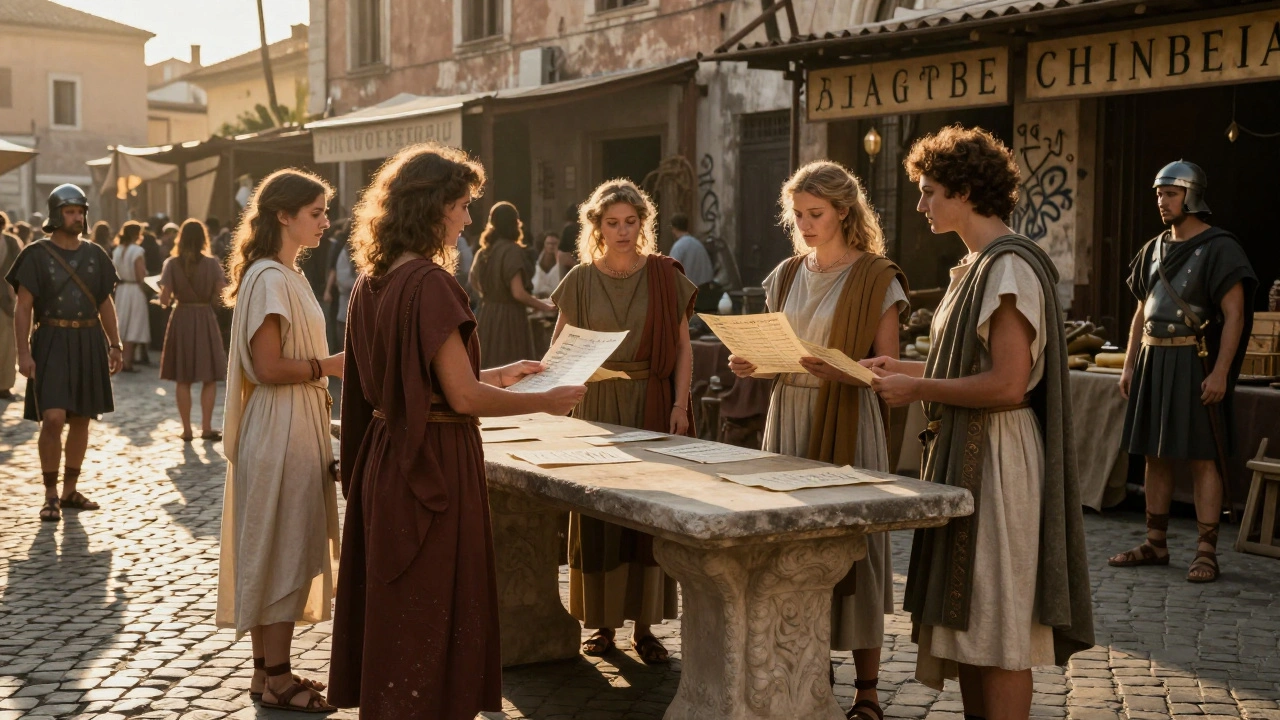
Imperial Taxes on Prostitution: How Rome Taxed Sex Work from Caligula to Anastasius
Dec 9 2025 / History & CultureFrom Caligula to Anastasius, Rome taxed sex work for nearly 500 years - turning marginalized women into revenue sources while denying them basic rights. A deep look at the world's first state income tax on prostitution.
VIEW MORE