Sacred Satire: How Humor, Sex, and Religion Collide in History
When sacred satire, the use of humor to mock religious or moral authority through sexual or bodily themes. Also known as erotic irreverence, it has always been a tool to challenge power when direct criticism was dangerous. It’s not just about being crude—it’s about revealing truth through laughter. Think of it as the ancient version of a viral meme: shocking, clever, and impossible to ignore. From Etruscan tomb paintings showing couples in intimate acts as part of burial rites to Thomas Nashe’s 1592 poem featuring a dildo as a symbol of male failure, sacred satire didn’t just break rules—it exposed how those rules were used to control bodies, especially women’s.
Religious institutions spent centuries trying to silence sex, labeling it sinful, unnatural, or dangerous. But people kept finding ways to laugh at it anyway. Victorian doctors claimed masturbation caused insanity, yet steam-powered vibrators were sold in catalogs as medical devices for "female hysteria." The gap between what was preached and what was practiced became a rich target for satire. In medieval Europe, marriage was a business deal, not a holy bond—yet the Church called it sacred. Satirists didn’t need to invent stories; they just had to point at the contradictions. religious hypocrisy, the gap between moral teachings and actual behavior, especially in institutions claiming divine authority. It’s why ancient Egyptian women wore red lipstick not just for beauty, but as a political signal—and why priests in some cultures were the ones performing sacred sex rites while condemning it in public. erotic art, visual or literary depictions of sexuality used to challenge norms, not just to arouse. These weren’t porn. They were protest.
Modern society still struggles with the same tension. We preach consent while ignoring coercion. We celebrate sexual freedom while policing female pleasure. We call Tantra spiritual while turning it into a bedroom gimmick. Sacred satire has always been the mirror held up to these contradictions. The posts below don’t just tell you what happened—they show you how people used humor, art, and bold writing to fight back. You’ll find banned poems, medical frauds, hidden lesbian histories, and funerary art that treated sex as sacred. This isn’t shock value. It’s survival. And it’s still happening—just in different forms.
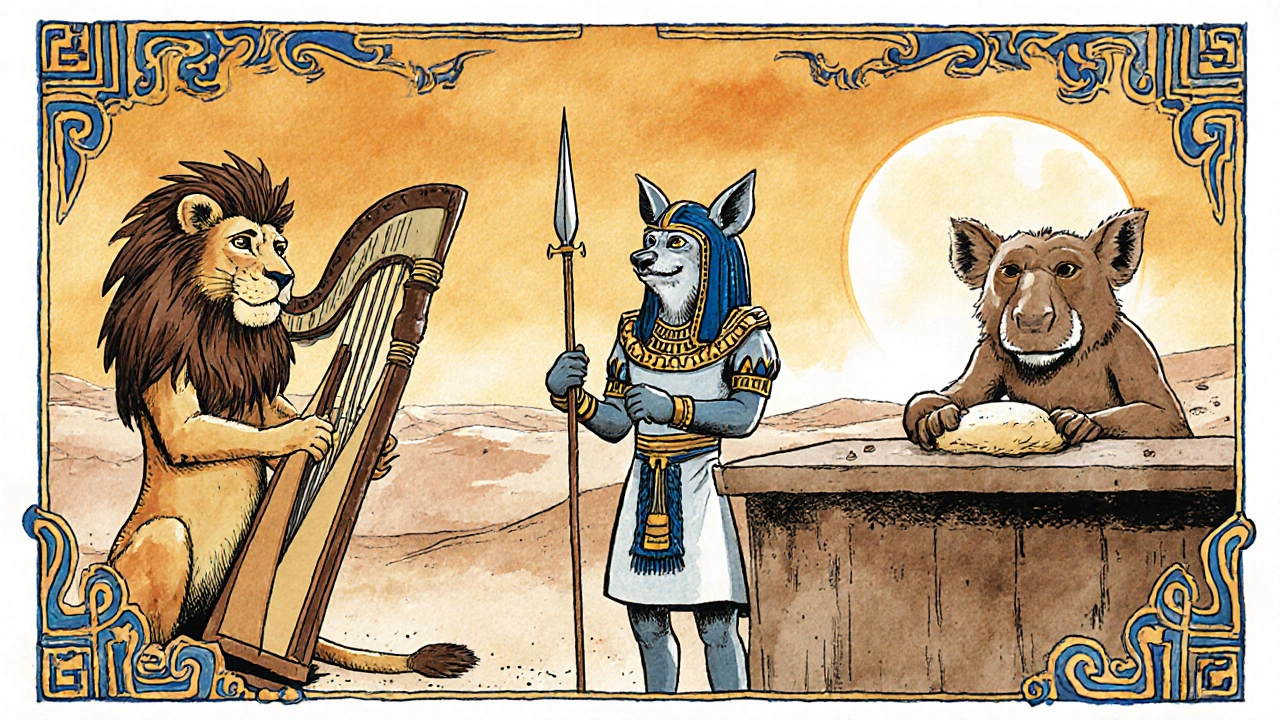
Egyptian Erotic Papyri: Comic Sex Scenes and Sacred Satire
Oct 31 2025 / History & CultureThe Turin Erotic Papyrus, created around 1150 BCE, is the oldest known explicit sexual artwork in human history. Far from being pornographic, it's a satirical comedy that reveals ancient Egyptians' open, humorous, and complex relationship with sex.
VIEW MORE