Sex Toys History: From Victorian Hysteria to Modern Pleasure
When you think of sex toys, objects designed for sexual pleasure, often used for masturbation or partnered intimacy. Also known as sexual aids, they’re now common, openly discussed, and widely available. But their story begins not in bedrooms, but in doctors’ offices. In the late 1800s, vibrators weren’t sold as pleasure tools—they were medical devices. Doctors used them to treat "female hysteria," a catch-all diagnosis for everything from anxiety to sexual desire in women. These early machines were hand-cranked, steam-powered, or even water-driven, and sessions could last up to an hour. Women didn’t know they were being treated for pleasure—they were told they were being cured of illness.
The female hysteria, a now-discredited medical diagnosis used primarily on women to explain symptoms like irritability, fainting, or sexual longing. Also known as hysteria, it was a tool of control disguised as science kept the use of these devices hidden in plain sight. The same machines that delivered orgasms were marketed as therapy. By the 1920s, electricity made vibrators faster and more accessible, but the stigma didn’t fade. As medicine moved away from hysteria, manufacturers rebranded the devices as "personal massagers"—a cover that lasted for decades. Meanwhile, underground markets kept these tools alive, passed between women in secret, used for what doctors refused to name: self-pleasure.
It wasn’t until the feminist movements of the 1970s that the true history of these devices began to surface. Writers like Anne Koedt and activists in women’s health collectives exposed how pleasure had been pathologized, then erased. The vibrator, once a medical tool, became a symbol of autonomy. Today, sex toys come in endless shapes, sizes, and materials—smart, app-controlled, body-safe, and openly sold. But their roots are still tied to the same tension: who gets to define pleasure, and who gets to experience it without shame?
What you’ll find below is a collection of articles that dig into this history—not just the gadgets, but the people, laws, and ideas that shaped them. From steam-powered machines to banned erotic poems, from medical myths to modern ethics, these stories reveal how sex toys have always been more than objects. They’re mirrors of culture, power, and resistance.
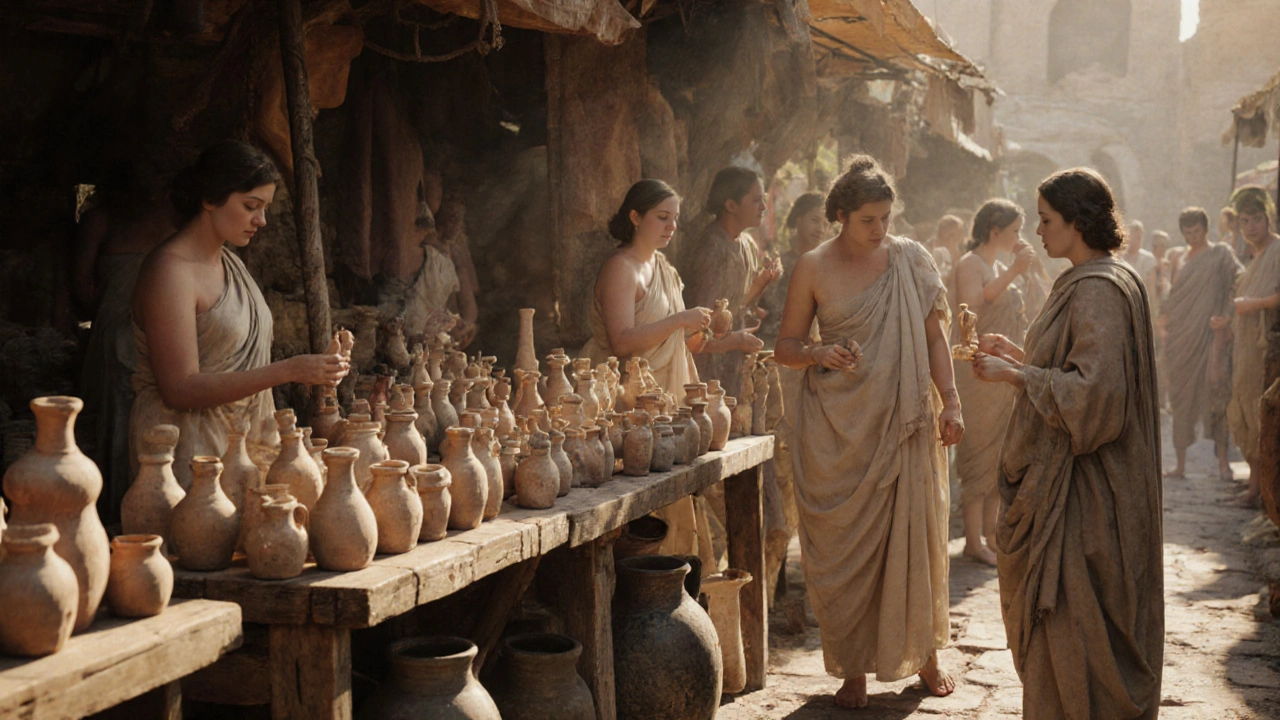
Early Words for Sex Toys: How Language Hid Desire Behind Euphemisms and Humor
Oct 25 2025 / History & CultureFrom ancient Greek 'olisbos' to Victorian 'vibrating massagers,' the language of sex toys has always hidden desire behind euphemisms, humor, and medical lies. Here's how we learned to speak the truth.
VIEW MORE