Sex Work History: From Ancient Temples to Modern Rights
When we talk about sex work history, the long, complex record of people exchanging sex for money, goods, or protection across cultures and centuries. Also known as commercialized sexuality, it’s not a modern invention—it’s as old as cities, temples, and trade routes. In ancient Sumer, temple priestesses performed sacred rites that blurred the line between worship and sexual service. In Etruscan tombs, sexual scenes weren’t pornographic—they were spiritual guides for the afterlife. Even in medieval Europe, women who sold sex often operated under licenses, paid taxes, and lived in regulated districts. This isn’t about morality. It’s about survival, economy, and control.
What changed wasn’t the practice—it was the punishment. The rise of Victorian morality turned sex work into a sin, not a trade. Doctors called it a disease. Police called it a crime. Feminists called it oppression. But the people doing the work? They kept working. From the brothels of 19th-century New Orleans to the underground clubs of 1920s Berlin, sex workers built networks, fought back, and survived. The prostitution history, the legal, social, and cultural evolution of selling sex isn’t a story of victims and villains—it’s a story of people navigating systems that never gave them a fair shot. And that’s why modern debates about decriminalization, safety, and rights keep circling back to the same questions: Who gets to decide what’s moral? Who profits from the stigma? And who’s left to pay the price?
The sex work regulation, the laws and policies that control, criminalize, or protect those who exchange sex for compensation today still echo the same old fears. Laws that ban street work push people into danger. Laws that criminalize clients make workers afraid to report violence. Even well-meaning anti-trafficking campaigns often ignore the voices of those actually doing the work. Meanwhile, digital platforms have reshaped the industry—moving it from alleys to apps, from brothels to DMs. But the core issue hasn’t changed: society profits from sex work while punishing the people who make it possible.
What you’ll find below isn’t just a list of articles. It’s a map. A map of how gender, law, religion, and technology have shaped the lives of people in sex work across time. You’ll read about Victorian doctors who claimed masturbation caused insanity, about Etruscan tombs where sex was sacred, about how the Stonewall uprising wasn’t just about gay rights—it was about survival on the streets. You’ll see how ancient Egyptian lipstick signaled sexual availability, how medieval marriage was just another kind of economic transaction, and how modern HIV treatments changed the game for sex workers everywhere. This isn’t theory. It’s real history, told through the people who lived it—and the systems that tried to erase them.
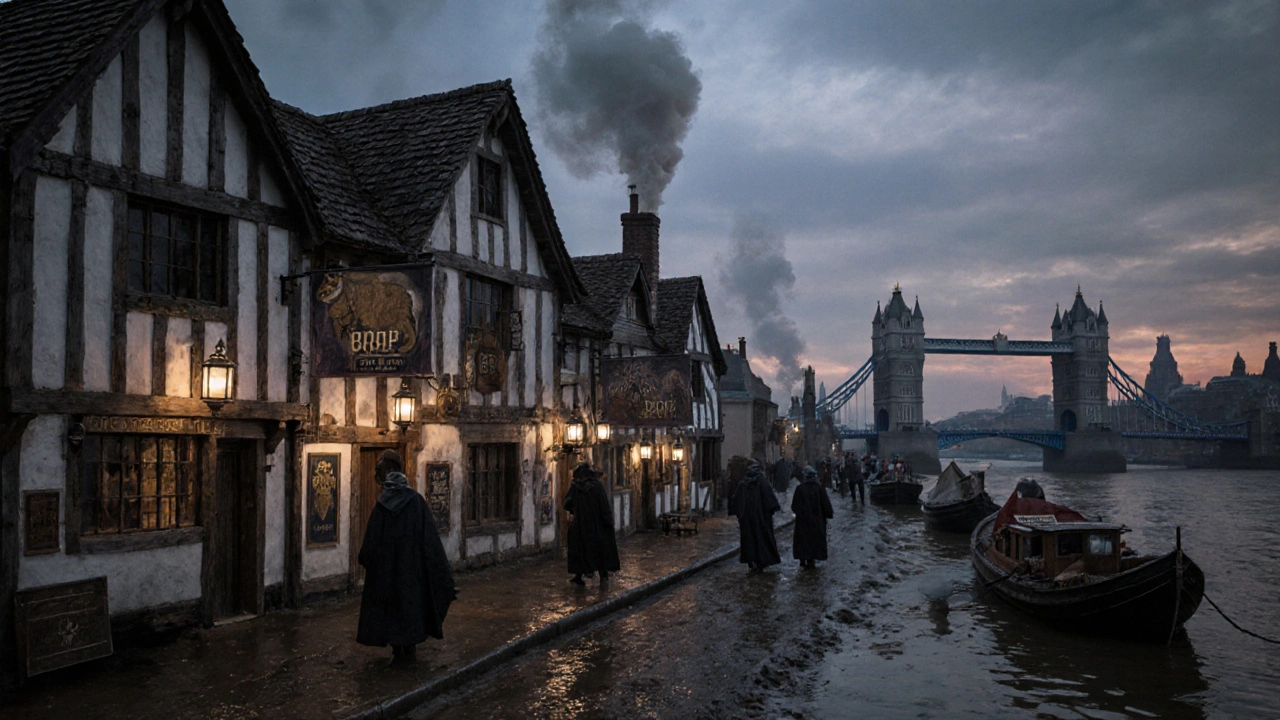
Medieval Brothels Beyond City Walls: How Cities Tolerated Sex Work
Oct 27 2025 / History & CultureMedieval cities didn't ban prostitution-they controlled it. Brothels outside city walls were licensed, taxed, and strategically placed near ports and gates. This system of tolerance lasted for centuries before religious reforms shut it down.
VIEW MORE