Sexual Health: Understanding History, Myths, and Real Science Behind Your Body
When we talk about sexual health, the physical, emotional, and social well-being related to sexuality. Also known as reproductive health, it’s not just about avoiding STIs or getting pregnant—it’s about knowing what your body can do, why shame still clings to it, and how science has finally caught up with reality. For decades, doctors called masturbation a cause of insanity. Women were told their pleasure didn’t matter. LGBTQ+ people were labeled sick. And yet, here we are—with treatments that turn HIV from a death sentence into a manageable condition, with research proving clitoral orgasms are the norm, not the exception, and with legal fights proving consent isn’t a formality—it’s a requirement.
True sexual health, the physical, emotional, and social well-being related to sexuality includes understanding how gender roles, social expectations assigned to people based on perceived sex shape what we feel comfortable doing—or not doing. The Victorian idea that women were too pure for desire didn’t vanish—it just moved into modern silence around female pleasure. Meanwhile, consent, a voluntary, informed, and ongoing agreement to engage in sexual activity has gone from being ignored in courtrooms to being taught in schools, though too many still confuse "not saying no" with "yes." And when it comes to HIV treatment, medications that suppress the virus to undetectable levels, preventing transmission and prolonging life, the miracle isn’t just that people live longer—it’s that stigma hasn’t kept up with the science.
What you’ll find below isn’t a list of tips or quick fixes. It’s the real history behind why you think the way you do about your body. You’ll read about steam-powered vibrators sold to cure "hysteria," how lesbian relationships were erased from archives, why men are dying from loneliness disguised as toughness, and how a 1592 poem about a dildo was banned for being too honest. These aren’t just old stories—they’re the roots of the shame, confusion, and silence still around sexual health today. And the good news? You’re reading this because the silence is finally breaking.

The History of Masturbation: From Creation Myth to Medical Concern
Mar 18 2026 / History & CultureFrom ancient creation myths to Victorian medical horrors, the history of masturbation reveals how society’s fear of the body shaped medicine, morality, and modern health science.
VIEW MORE
Peer Education Models in Sexual Health: Benefits and How to Implement Them
Nov 23 2025 / Health & WellnessPeer education models in sexual health use trained teens to teach peers about contraception, consent, and STIs. Research shows they improve knowledge, increase condom use, and reduce unintended pregnancies more effectively than traditional sex ed-when properly supervised.
VIEW MORE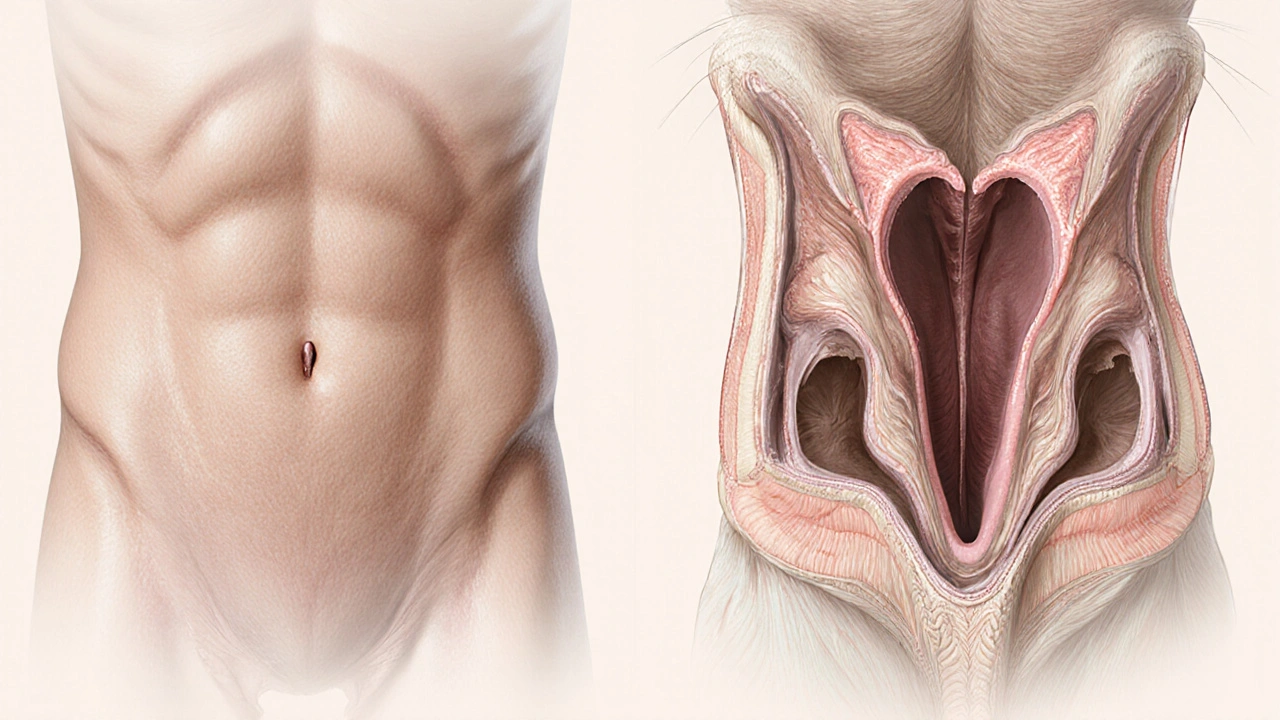
Why Does the Female Orgasm Exist If It’s Not Needed for Reproduction?
Nov 10 2025 / Health & WellnessThe female orgasm isn't needed for reproduction-but it exists because our ancestors needed it to ovulate. Evolution kept the pleasure system even after it lost its job, explaining why most women need clitoral stimulation to climax.
VIEW MORE