Sexual Optimism: Why Hope Is Changing How We Understand Desire, Consent, and Pleasure
When we talk about sexual optimism, a growing movement that rejects shame and embraces pleasure as a right, not a reward. Also known as pleasure-centered sexuality, it’s the quiet rebellion against centuries of guilt, silence, and control over how people experience their bodies. This isn’t about blind positivity—it’s about recognizing that people have always sought joy, connection, and autonomy in sex, even when society tried to crush it.
Think about the women in Victorian England who used steam-powered vibrators to treat "hysteria"—they weren’t just following medical advice. They were finding relief, pleasure, and control in a world that told them their desires were dangerous. Or consider the lesbian couples whose love was erased from archives, yet still wrote letters, kept photos, and built lives together in secret. These aren’t just stories of survival. They’re proof that consent, the ongoing, active agreement between people that respects boundaries and autonomy. Also known as affirmative consent, it has always been the foundation of real intimacy—even when it wasn’t legal or spoken aloud. And today, female pleasure, the recognition that women’s orgasms aren’t an afterthought but a central part of sexual health and identity. Also known as clitoral-centered sexuality, it is no longer something to be whispered about in feminist essays—it’s being taught in schools, discussed in doctor’s offices, and celebrated in art.
Sexual optimism doesn’t ignore the pain. It sees the police raids on gay bars, the bans on erotic poetry, the medical myths that called masturbation a disease—and says: we know how this story goes. But we’re writing the next chapter. It’s in the way young people now demand clear consent before touching, not just after. It’s in the transgender teens who find community online because their parents don’t understand them. It’s in the historians digging through ancient Etruscan tombs to prove that pleasure and death were once seen as sacred partners, not opposites. This movement isn’t about perfection. It’s about possibility. About knowing that shame doesn’t have the final word.
What follows isn’t a list of old facts. It’s a collection of real stories—of people who fought to speak, to touch, to exist. You’ll find how Anne Koedt shattered the myth of the vaginal orgasm, how HIV treatments turned death sentences into second chances, and how Elizabethan poets wrote about dildos long before modern porn existed. These aren’t just history. They’re blueprints. For how we can keep moving forward—not by pretending everything’s fine, but by refusing to let fear decide what’s possible.
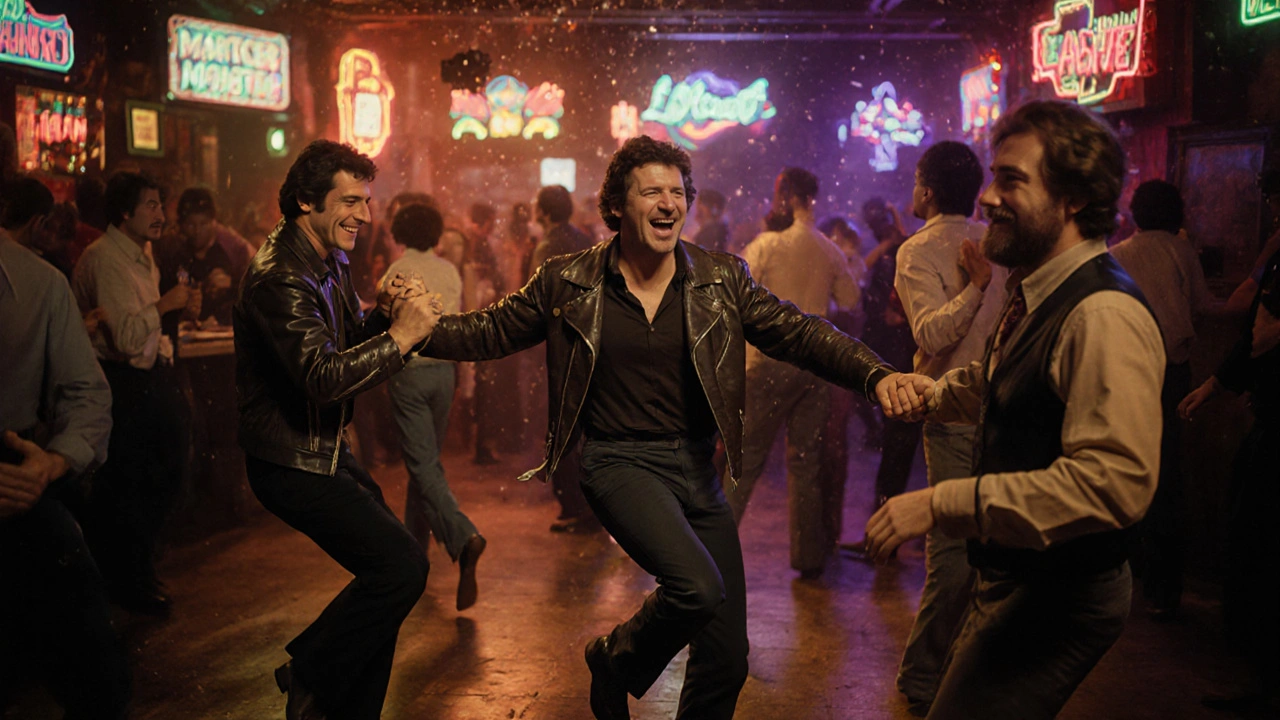
Decline of Sexual Optimism: How AIDS Changed American Sexuality Forever
Nov 26 2025 / History & CultureThe AIDS epidemic shattered the sexual optimism of the 1970s, forcing a radical shift in how Americans approach sex, intimacy, and health. What began as a crisis of disease became a revolution in sexual responsibility.
VIEW MORE