Sexual Violence in Guatemala: History, Silence, and Survival
When we talk about sexual violence in Guatemala, a pattern of abuse rooted in decades of state repression, gender inequality, and impunity. Also known as gender-based violence in Central America, it’s not random—it’s structural, often targeting Indigenous women and girls during and after the civil war. This isn’t just about individual acts. It’s about systems that allowed perpetrators to walk free, survivors to be silenced, and courts to ignore evidence.
Coercion doesn’t always come with a knife. In Guatemala, it came with uniforms, threats against families, and the quiet understanding that no one would listen. The coercion, the subtle and not-so-subtle pressures that make "no" impossible to say. Also known as emotional pressure in power imbalances, it shaped how women were forced into silence during the 36-year civil war, when over 200,000 people were killed and most victims were women. Many survivors never reported because the police were part of the problem. Others were told their bodies didn’t matter because they were Maya, because they were poor, because they were invisible.
The consent, the clear, voluntary, ongoing agreement that must be present for any sexual act to be ethical. Also known as affirmative consent, it was never part of the legal conversation in Guatemala until recently—and even now, it’s rarely enforced. Laws exist on paper, but in practice, justice is rare. A 2021 UN report found less than 5% of sexual violence cases led to conviction. That’s not a failure of victims. It’s a failure of institutions built to protect the powerful, not the powerless.
What you’ll find in these articles isn’t just history. It’s truth. Stories of women who spoke up when no one else would. Legal battles that changed nothing—but inspired others. The quiet ways survivors rebuilt their lives, even when the system refused to see them. You’ll read about how silence was weaponized, how bodies were treated as territory, and how the same patterns show up in courtrooms, homes, and streets today. This isn’t about shock value. It’s about recognizing that sexual violence doesn’t vanish when the headlines fade. It lingers—in families, in laws, in the way a woman walks down the street.
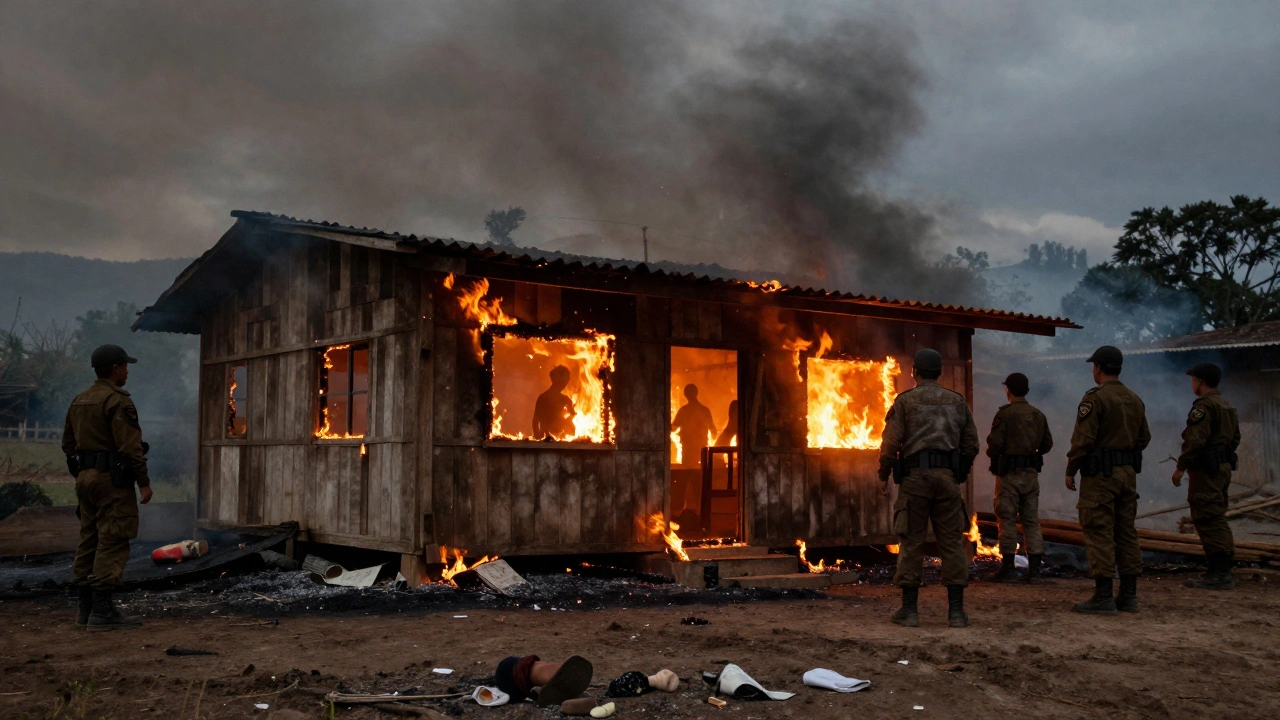
The Río Negro Massacres: Sexual Violence as a Weapon in Cold War Guatemala
Dec 6 2025 / History & CultureThe Río Negro Massacres were a state-sponsored genocide against Q’eqchi’ Maya communities in Guatemala during the Cold War. Sexual violence was a systematic weapon used to destroy cultural identity, yet remains underreported. Survivors still seek justice.
VIEW MORE