Sexual vs Asexual Reproduction: How Evolution Shaped Desire, Desire, and Survival
When we talk about sexual reproduction, the process where two parents contribute genetic material to create offspring with unique DNA. It's the reason we have variation, attraction, and biological complexity. In contrast, asexual reproduction, a method where a single organism clones itself without mating. Also known as cloning in nature, it’s how bacteria multiply, starfish regrow limbs, and some lizards reproduce without males. These aren’t just textbook terms—they’re survival strategies that have shaped every living thing on Earth.
Sexual reproduction demands energy, time, and risk. Finding a mate, courtship displays, competition—these all cost resources. But it pays off in genetic diversity, which helps populations adapt to disease, climate shifts, and predators. Asexual reproduction? It’s efficient. One organism, one mission: make copies. No partner needed. No risk of rejection. That’s why it thrives in stable environments where being identical to your parent is an advantage. But when things change—like a new virus or a sudden drought—clones can all die together. Sexual reproduction keeps the gene pool messy, unpredictable, and alive.
Look at the animals around you. Humans? Sexual. Aphids? Mostly asexual. Some sharks can switch between both. Even our closest relatives, like certain lizards in the desert, reproduce without males. These aren’t oddities—they’re evidence of evolution’s pragmatism. Nature doesn’t care about romance or morality. It cares about survival. And sometimes, cloning is the smartest move.
But here’s the twist: even in species that reproduce asexually, the legacy of sex lingers. The genes for sexual development are still there, buried in DNA. Why? Because sex didn’t just evolve to make babies—it evolved to make better babies. That’s why you’ll find articles in this collection about Victorian views on masturbation, the history of the clitoris, and how medieval marriages were economic deals. They’re all connected. Human sexuality didn’t appear out of nowhere. It’s the latest chapter in a 2-billion-year-old story about how life copies itself, adapts, and sometimes, just enjoys the ride.
What follows is a curated collection of deep dives into how reproduction—both sexual and asexual—has shaped culture, medicine, gender, and power. You’ll find how ancient Egyptians linked fertility to ritual, how Victorian doctors pathologized desire, and how modern IVF tricks biology to mimic nature’s own systems. This isn’t just about biology. It’s about how we’ve tried to control, shame, and celebrate what nature does without asking permission.
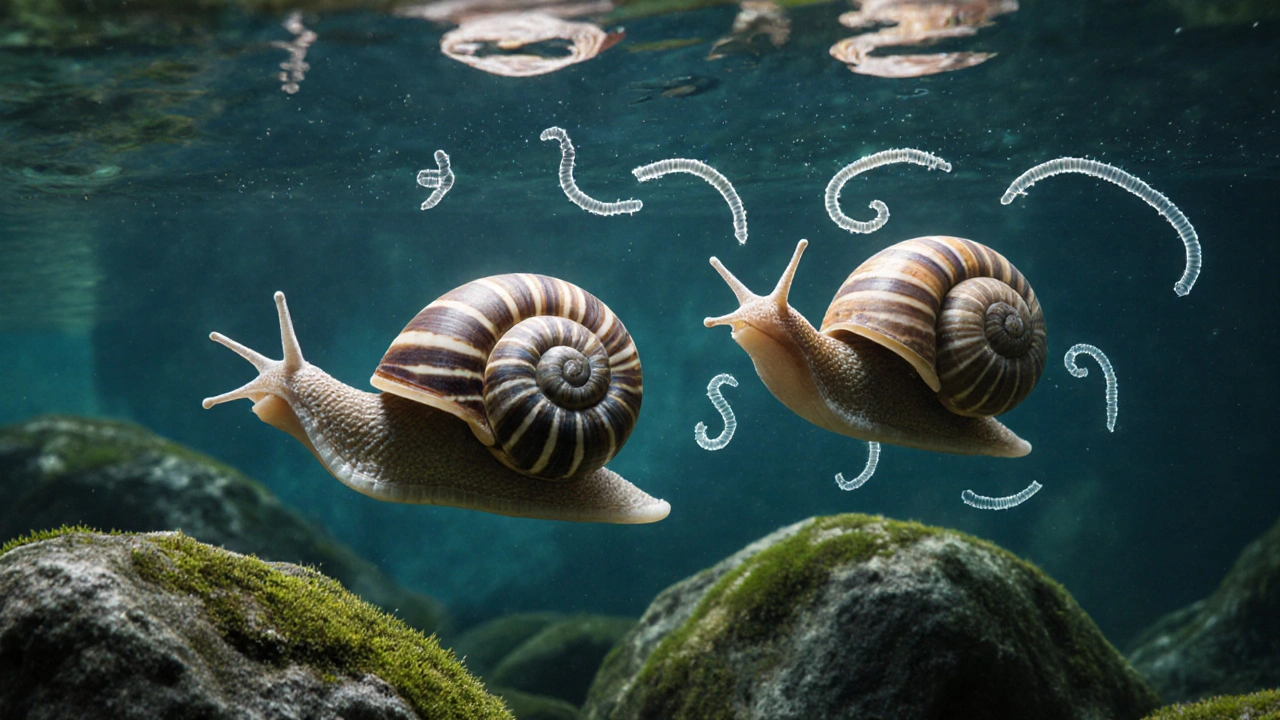
The Cost of Sex in Evolution: Why Sexual Reproduction Persists Despite Its Big Downside
Nov 9 2025 / History & CultureSexual reproduction carries a two-fold cost compared to asexual reproduction, yet it dominates complex life. This article explains why the long-term genetic benefits - from fighting parasites to cleaning mutations - outweigh the short-term disadvantage.
VIEW MORE