Southwark Brothels: The Hidden History of Sex Work in London's Oldest District
When you think of Southwark brothels, a network of licensed and illegal sex work venues in South London that operated from medieval times through the 19th century. Also known as the Bankside red-light district, it was the most notorious concentration of prostitution in England for over 500 years. These weren’t just hidden rooms or back-alley dives—they were businesses, sometimes owned by women, often run with the quiet approval of local authorities, and always shaped by poverty, power, and survival.
Southwark’s brothels existed because the law tolerated them. Unlike the rest of London, where prostitution was banned, Southwark sat outside the city’s jurisdiction, on the south bank of the Thames. That legal gray zone made it a magnet for sailors, merchants, and soldiers looking for companionship—or just a place to be anonymous. The Victorian prostitution, the regulated but stigmatized system of commercial sex that peaked in the 1800s. Also known as regulated vice, it was the era when brothel keepers like Elizabeth Canning ran multi-room operations with names like "The Rose and Crown" and paid bribes to avoid raids. Meanwhile, the London brothels, a broader category that included everything from high-end parlors to basement rooms. Also known as bawdy houses, they were part of a system that fed on migration, war, and the lack of options for poor women. Many of these women had no other way to feed their children. Some were widows. Others were runaway servants. A few even saved enough to buy their own homes.
What makes Southwark different isn’t just the scale—it’s the silence. While other cities burned brothels or banned sex work outright, Southwark let it thrive, quietly. Records show that even bishops and judges visited. The sex work history here wasn’t about sin—it was about economics, control, and who got to decide what was moral. The brothels didn’t vanish overnight. They shrank under police pressure, moral panic, and new laws like the Contagious Diseases Acts, which targeted women but never their clients. By the early 1900s, most were gone. But their legacy? Still in the streets.
What you’ll find in the articles below isn’t just history—it’s the real stories behind the myths. From how brothel keepers avoided prosecution to how women used sex work to gain rare independence, these posts dig into the people, laws, and moments that made Southwark what it was. You’ll see how this place connects to everything from Victorian gender roles to the fight for sex workers’ rights today. No fiction. No fluff. Just what happened, and why it still matters.
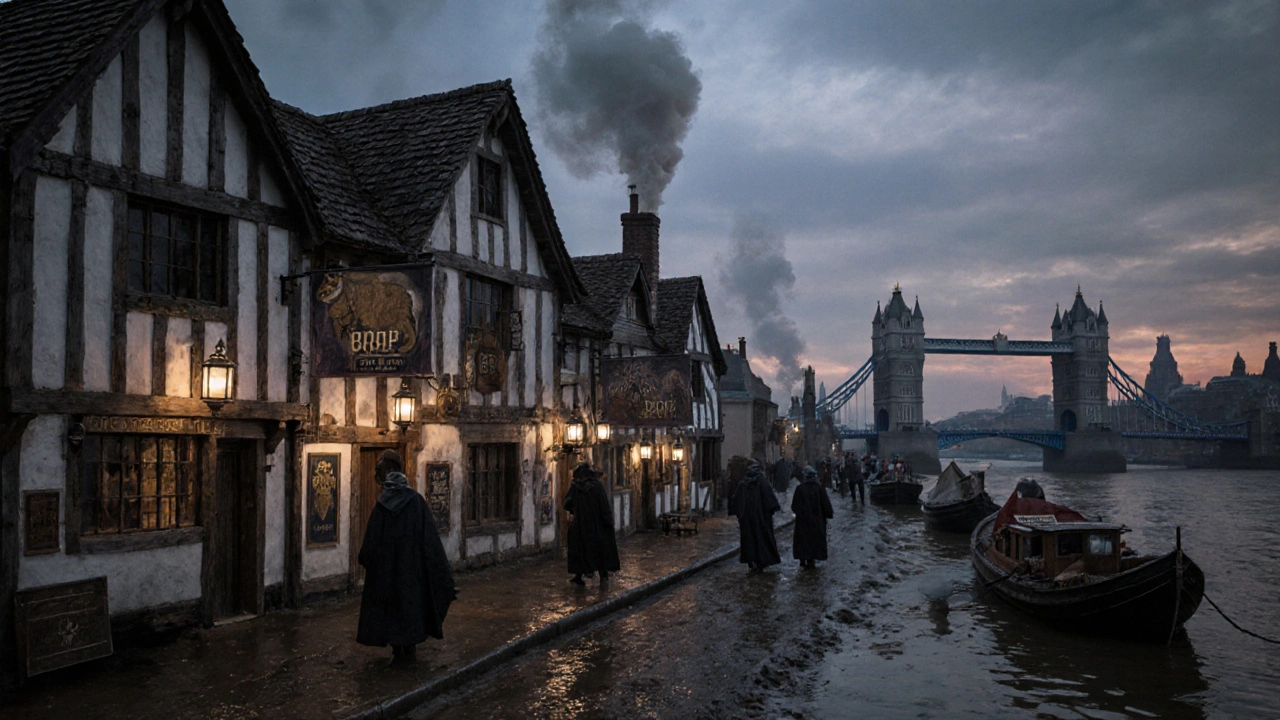
Medieval Brothels Beyond City Walls: How Cities Tolerated Sex Work
Oct 27 2025 / History & CultureMedieval cities didn't ban prostitution-they controlled it. Brothels outside city walls were licensed, taxed, and strategically placed near ports and gates. This system of tolerance lasted for centuries before religious reforms shut it down.
VIEW MORE