Thomas Nashe and the History of Sex, Satire, and Sexual Expression
When you think of Thomas Nashe, a sharp-tongued Elizabethan writer known for his biting satire and unapologetic depictions of sex and class. Also known as the rogue pamphleteer of the 1590s, he didn’t just write about sex—he weaponized it to mock the church, the court, and the moralizers who pretended to be pure. Nashe’s work, like The Unfortunate Traveller and his scandalous pamphlets, didn’t hide behind euphemisms. He wrote about prostitutes, masturbation, and the hypocrisy of Puritans in plain, vulgar, hilarious language. His voice wasn’t just loud—it was revolutionary. He treated sexuality not as sin, but as a mirror of power, greed, and human folly.
His writing sits right beside the Elizabethan sexuality, a complex blend of public repression and private indulgence. Also known as the double standard of Tudor and Stuart England, it’s the same world where women were silenced over self-pleasure, while men openly visited brothels and wrote about it in verse. Nashe didn’t just reflect this world—he tore it open. He knew that the same people preaching chastity were the ones paying for sex. His satire exposed how sexual satire, the use of humor, irony, and exaggeration to critique sexual norms and hypocrisy. Also known as the art of mocking moralizers, it’s been a tool of rebellion since ancient Rome—and Nashe was its most dangerous English practitioner. He didn’t need modern research to know that shame is a control tactic. He saw it in the streets, in the pulpit, and in the bedrooms of the elite.
What makes Nashe’s work still relevant isn’t just his wit—it’s how he connected sex to money, religion, and politics. His era had no laws protecting LGBTQ+ people, no science on female orgasm, no understanding of consent as we know it. But he understood power. He knew that who gets to speak about sex, and how, determines who holds control. That’s why his writings feel so alive today: they’re the ancestors of the articles you’ll find below. You’ll see how Victorian doctors pathologized masturbation, how ancient Etruscans saw sex in death, how feminism reclaimed the clitoris, and how police raided gay bars for daring to exist. All of it—every thread of sexual history—is tied to the same question Nashe asked: Who benefits from the lie? The answers aren’t always pretty. But they’re real. And they’re waiting for you in the posts ahead.
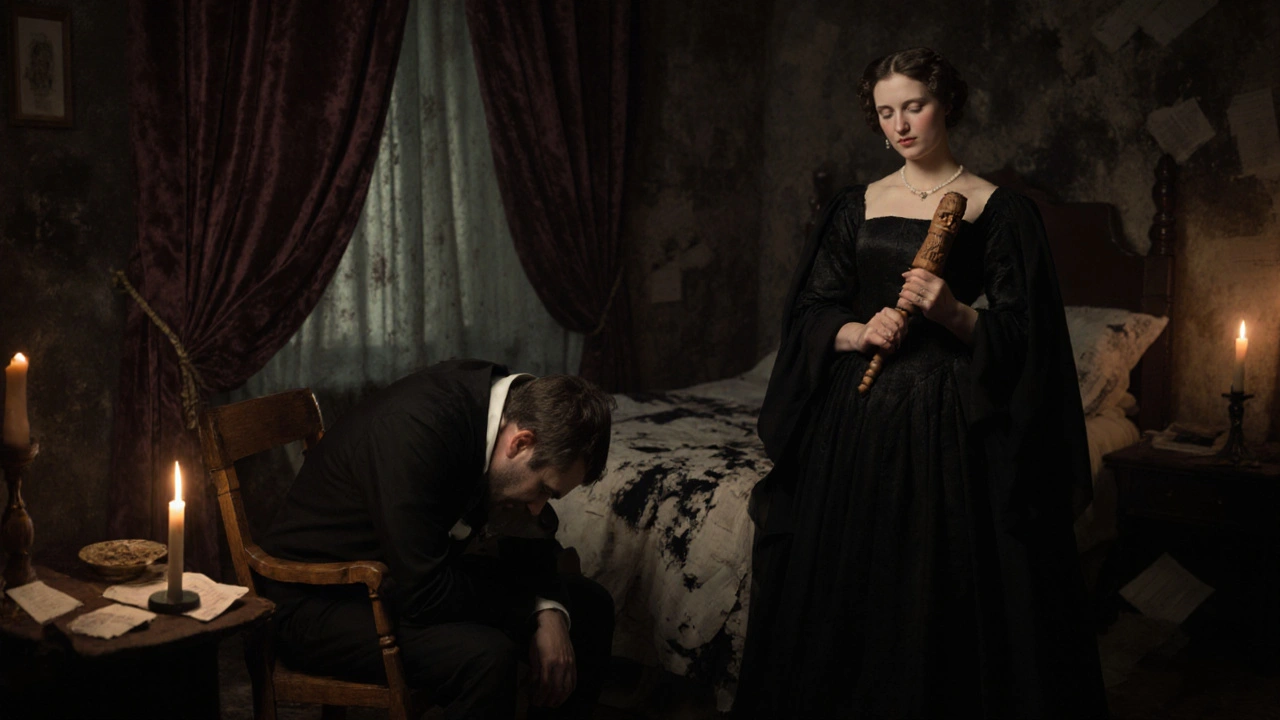
Nashe’s ‘Choice of Valentines’: The Banned Dildo Poem and the Fight Over Erotic Literature in Elizabethan England
Nov 10 2025 / History & CultureThomas Nashe's banned 1592 poem 'The Choise of Valentines' exposes male impotence and female agency in Elizabethan England through a shocking dildo scene-once censored, now a key text in understanding Renaissance sexuality and satire.
VIEW MORE