Tilth Metaphor in Sexual History: How Soil, Power, and Bodies Interconnect
When we talk about tilth, the physical condition of soil as it relates to its ability to support plant growth. Also known as soil structure, it describes how earth crumbles, holds water, and lets roots breathe. It’s not just a farming term—it’s a quiet, centuries-old metaphor that’s been used to describe women’s bodies, sexual purity, and even political control. The idea that a woman’s body is like land to be tilled, plowed, or left fallow didn’t start in the 1950s. It goes back to ancient agrarian societies where fertility was measured in crops and children alike. This metaphor didn’t just describe biology—it enforced power. And it still echoes in how we talk about sex, consent, and reproduction today.
Think about phrases like "virgin soil," "fertile ground," or "plowing a field"—they weren’t just poetic. They were legal, medical, and religious tools. In medieval Europe, a woman’s worth was tied to her ability to produce heirs, just like a field’s value came from its yield. When doctors in the 1800s diagnosed women with "hysteria," they weren’t just pathologizing emotion—they were treating a body they saw as uncultivated, overgrown, or improperly tilled. Even today, when people say a woman "needs to be tamed" or "isn’t ready to be planted," they’re recycling the same metaphor. The gendered land metaphor, the cultural association of female bodies with agricultural land and reproductive potential isn’t just outdated—it’s dangerous. It turns intimacy into labor, autonomy into yield, and consent into a harvest schedule. Meanwhile, the body politics, how power structures control and define bodily experiences, especially around sex and reproduction in modern laws and media still lean on this ancient imagery. When we see debates about abortion, IVF, or even who gets to define "normal" sexuality, we’re not just arguing about rights—we’re fighting over who gets to decide what counts as fertile, what counts as wasted, and who owns the soil.
The posts you’ll find here don’t just mention this metaphor—they unpack it. From Victorian ideas of domestic women as "well-tended gardens" to how Etruscan tomb art linked sexual pleasure with spiritual fertility, you’ll see how deeply this idea is woven into history. You’ll find how Anne Koedt challenged the myth of the vaginal orgasm by redefining female pleasure as something rooted in anatomy, not agriculture. You’ll see how medieval dowries treated women like inheritable land, and how modern LGBTQ+ rights battles are still about who gets to claim their body as their own soil. This isn’t about poetry. It’s about power. And the soil is still being turned.
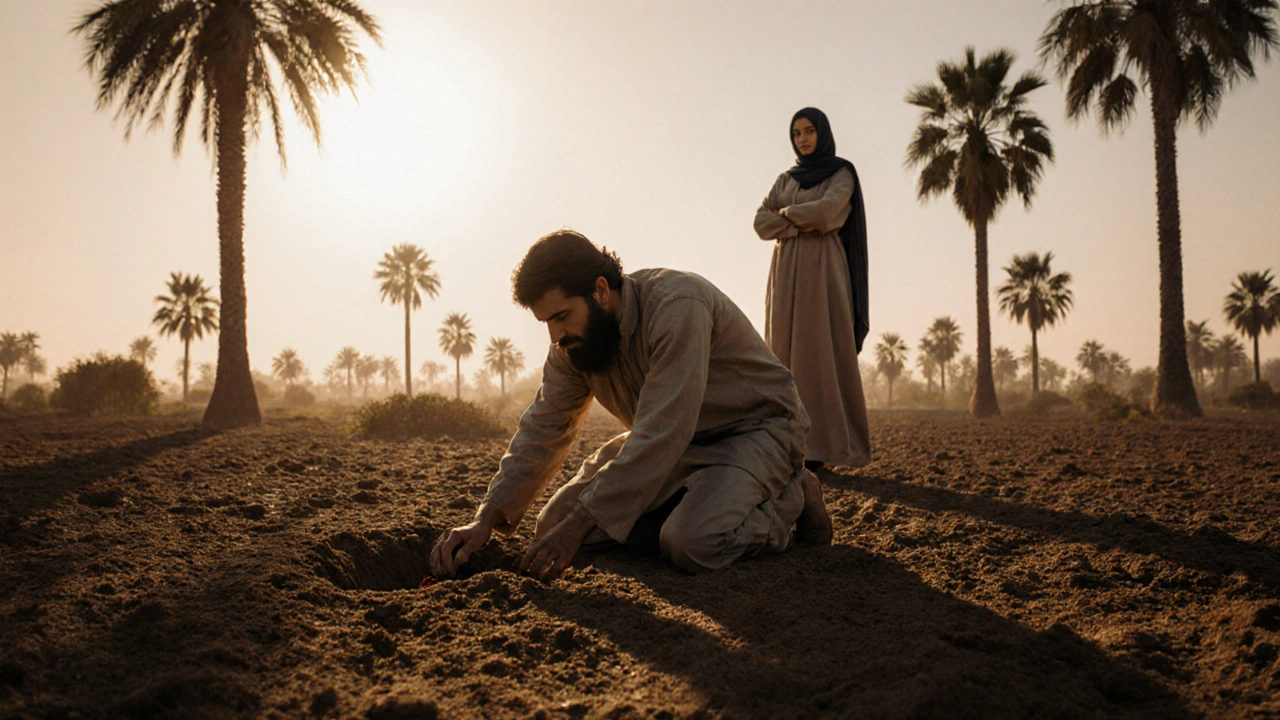
Quranic 'Tilth' Metaphor: What It Really Means About Marriage and Gender
Nov 5 2025 / History & CultureQuran 2:223's 'tilth' metaphor is often misunderstood as objectifying women, but it's actually a call for responsible, nurturing marriage rooted in 7th-century agricultural wisdom and spiritual accountability.
VIEW MORE