Trial Marriage: What It Is, Why It Exists, and How It Connects to History and Modern Relationships
When people talk about trial marriage, a temporary, agreed-upon union meant to test compatibility before long-term commitment. It’s often seen as a modern twist on dating—but it’s older than you think. Long before couples started using apps to find matches, families arranged unions to test loyalty, financial stability, and social fit. In medieval Europe, dowry systems, financial agreements tied to marriage that protected women’s economic future acted like trial periods: if the match failed, money could be returned. Even in ancient Rome, cohabitation, living together without formal marriage, was common among lower classes as a way to test partnership before legal ties. These weren’t just practical moves—they were survival strategies.
Today’s trial marriage isn’t about money or land, but about emotional safety. People want to know: Can we handle conflict? Do our values align? Will we grow together? The rise of relationship contracts, written or verbal agreements outlining expectations, responsibilities, and exit terms in a partnership shows how seriously people are taking this. These aren’t cold legal documents—they’re tools for clarity. Think of them as prenups for the early stage, not the endgame. They give space to test intimacy without the pressure of forever. And they’re not just for couples avoiding marriage. Many use them to navigate polyamory, long-distance relationships, or cultural expectations around timing. What’s new isn’t the idea—it’s the openness to name it, discuss it, and treat it as valid.
History shows us that marriage has always been flexible. From Victorian separate spheres to Etruscan funerary scenes that celebrated sex as part of the afterlife, human relationships have adapted to culture, power, and survival. Trial marriage fits right in. It’s not a rejection of commitment—it’s a smarter way to build it. You’ll find articles here that trace how economic alliances shaped medieval unions, how feminism redefined consent in relationships, and how ancient cultures handled love outside legal structures. These aren’t just stories from the past. They’re maps for the present. What you’re reading now isn’t just about trying out marriage. It’s about understanding how we got here—and where we might go next.
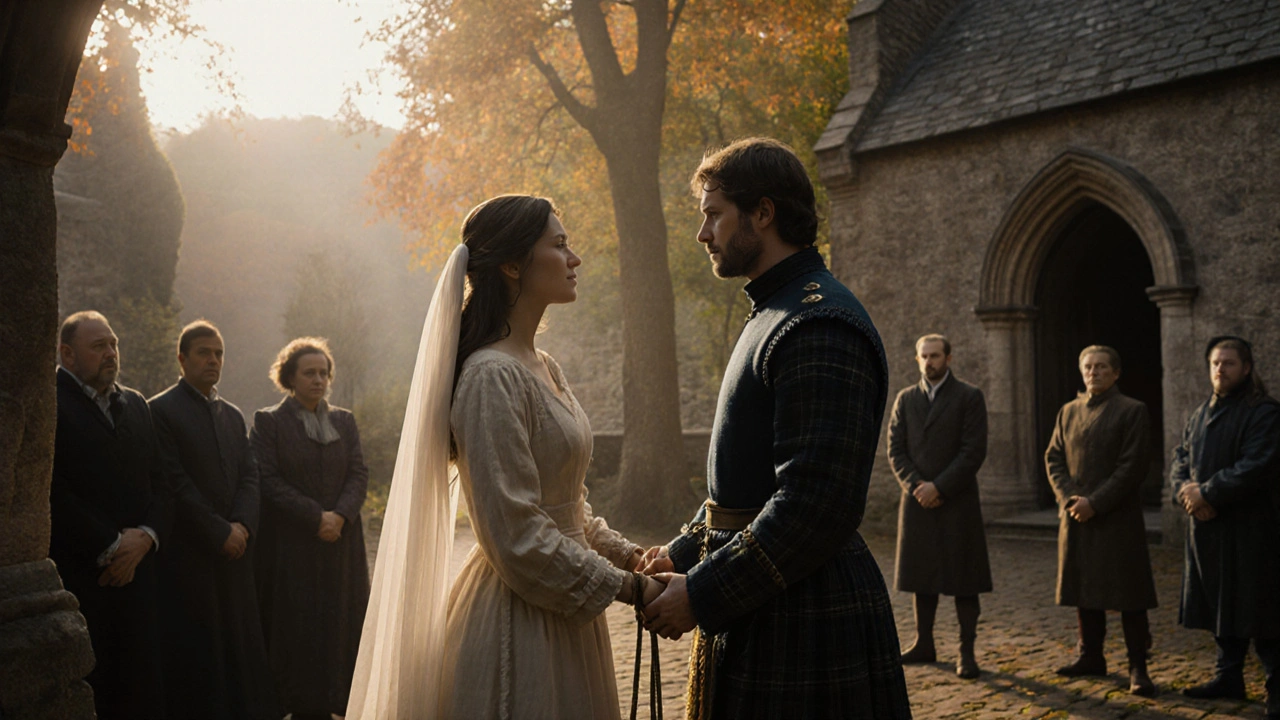
Handfasting and Trial Marriage: The Truth Behind the Celtic Year-and-a-Day Tradition
Nov 20 2025 / History & CultureHandfasting is often called a Celtic trial marriage lasting a year and a day-but that's a myth. Learn the real history of this ritual, how it became a modern wedding symbol, and why the truth is even more powerful than the legend.
VIEW MORE