Turin Erotic Papyrus: Ancient Sexual Art and the Hidden History of Pleasure
When you think of ancient Egypt, you might picture pyramids, pharaohs, or hieroglyphs—but few know about the Turin Erotic Papyrus, a 3,200-year-old Egyptian manuscript containing explicit sexual scenes, likely used for entertainment or ritual. Also known as the Turin Sexual Papyrus, it’s one of the rare surviving records of how ancient people openly depicted sex—not as sin, but as life. Unlike later cultures that buried sexuality under shame, the Egyptians treated it as natural, even sacred. This papyrus isn’t pornography in the modern sense; it’s a window into how pleasure, humor, and ritual intertwined in daily life.
It’s part of a broader pattern seen in other ancient cultures. The Etruscan funerary scenes, which feature sexual imagery in tombs as part of spiritual transition, and the Khajuraho temples, Indian temples covered in erotic carvings meant to symbolize cosmic union, show that explicit art wasn’t always about shock—it was about meaning. In Egypt, sex was tied to fertility, rebirth, and divine order. The Turin Papyrus includes scenes of couples in positions that range from playful to absurd, suggesting it might’ve been used to laugh at human folly or even as a guide for intimacy. This isn’t just art—it’s social commentary wrapped in nudity.
What makes the Turin Erotic Papyrus so powerful is what it reveals about silence. For centuries, scholars ignored it, dismissed it as a curiosity, or locked it away. But its existence proves that ancient societies didn’t view sex the way Victorian doctors or modern puritans did. It challenges the idea that historical sexuality was always repressed. Instead, it shows that pleasure was documented, discussed, and even celebrated—until later cultures decided to erase it. Today, we’re finally returning to these artifacts not to scandalize them, but to understand them.
What you’ll find in the posts below aren’t just stories about ancient sex—they’re about how power, culture, and shame have shaped what we’re allowed to see, say, and feel about desire across time. From Victorian masturbation myths to lesbian erasure in archives, from feminist reclaims of orgasm to the hidden uses of steam-powered vibrators—each piece connects back to the same truth: sexuality has always been political. The Turin Papyrus didn’t just survive. It’s still speaking. And now, so are we.
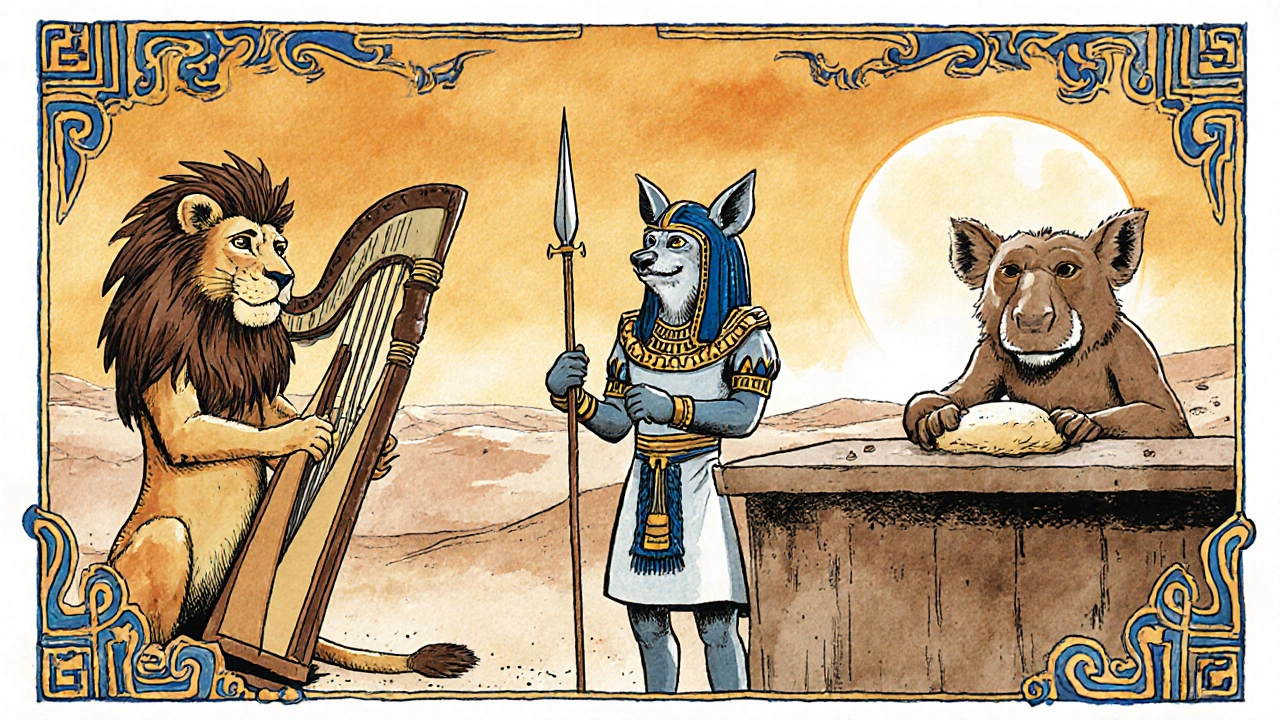
Egyptian Erotic Papyri: Comic Sex Scenes and Sacred Satire
Oct 31 2025 / History & CultureThe Turin Erotic Papyrus, created around 1150 BCE, is the oldest known explicit sexual artwork in human history. Far from being pornographic, it's a satirical comedy that reveals ancient Egyptians' open, humorous, and complex relationship with sex.
VIEW MORE