Vaginal Orgasm Myth: Why the Science Doesn't Match the Story
When people talk about the vaginal orgasm myth, the long-standing belief that women can reliably climax through penetration alone without clitoral stimulation. This idea was never based on biology—it was built on outdated medical theories, cultural silence, and a failure to listen to women’s real experiences. For over a century, doctors, sex manuals, and even therapists pushed the idea that a "true" female orgasm came from inside the vagina. But the truth? Most women—up to 70%—can’t reach orgasm through intercourse alone. The clitoris, a complex organ with over 8,000 nerve endings, mostly hidden beneath the surface. Also known as the primary source of female sexual pleasure, it extends internally in a wishbone shape, wrapping around the vaginal canal. That’s why pressure on the front wall of the vagina can feel good—but it’s not the vagina doing the work. It’s the clitoris.
The orgasm gap, the difference in orgasm frequency between men and women during sex. Also known as the pleasure disparity, it’s not about desire or performance—it’s about misaligned expectations. Men are taught to focus on penetration. Women are taught to fake it or feel broken when they don’t climax from sex alone. This myth isn’t just wrong—it’s harmful. It makes women feel inadequate, leads to avoidant sex, and keeps clinics from teaching what actually works: clitoral stimulation, communication, and consent. The female orgasm, a biological response tied to evolution, not reproduction. Also known as a leftover adaptation, it likely evolved because our ancestors needed it to trigger ovulation. Once humans shifted to spontaneous ovulation, the pleasure stayed, but the reproductive role disappeared. That’s why it’s not needed to get pregnant—but it’s still deeply wired into our bodies. Ignoring that truth doesn’t make it go away. Meanwhile, research from the Kinsey Institute, the Journal of Sexual Medicine, and even recent MRI studies all agree: the clitoris is the main player. The vagina has far fewer nerves. It’s not a failure of the body—it’s a failure of the narrative.
What you’ll find in these articles isn’t just science. It’s history—how Victorian doctors labeled women’s pleasure as "hysteria," how Freud pushed the idea that clitoral orgasms were "immature," and how modern sex education still skips the basics. You’ll see how silence, shame, and misinformation kept women from knowing their own bodies. And you’ll find the truth: the vaginal orgasm myth isn’t about anatomy. It’s about control. The real fix? Understanding your body, demanding better education, and ditching the lie that penetration should be enough.
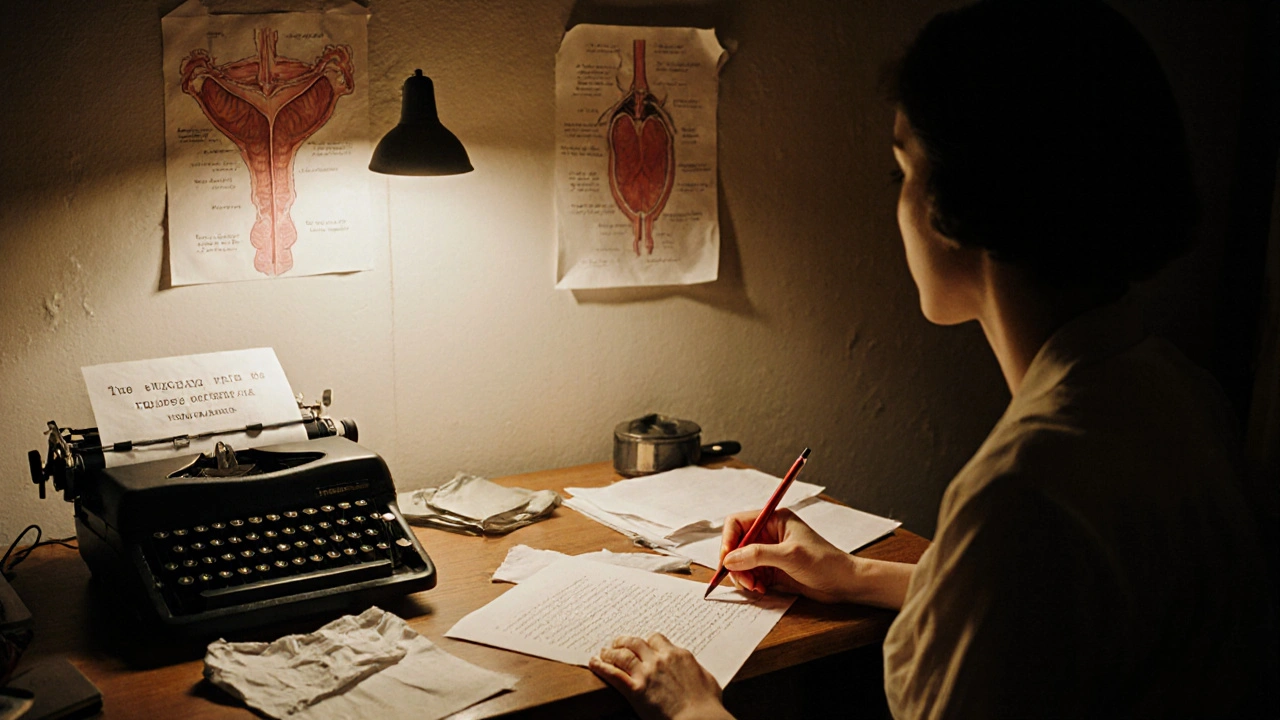
Anne Koedt and the Clitoral Orgasm: How Feminism Changed the Way We Understand Female Pleasure
Nov 9 2025 / History & CultureAnne Koedt's 1968 essay shattered the myth that vaginal orgasms were the mark of mature female sexuality. Her anatomical argument-that all female orgasms are clitoral-transformed feminist thought, sex education, and medical practice. Today, her work remains essential to understanding real female pleasure.
VIEW MORE