Victorian Britain: Gender, Sexuality, and the Hidden Rules of a Restrictive Era
When we think of Victorian Britain, the rigid, morally strict society of 19th-century England that enforced strict codes of dress, behavior, and sexuality. Also known as the Victorian era, it was a time when public modesty was law, and private desire was pathology. Men were expected to work, lead, and suppress emotion. Women were confined to the home, trained to be gentle, pure, and silent—unless they showed signs of "hysteria," a catch-all diagnosis for anything a man didn’t understand. This wasn’t just social norms—it was enforced by doctors, churches, and laws that turned everyday behaviors into crimes.
The idea of female hysteria, a medical condition invented to pathologize women’s autonomy, desire, and nonconformity was everywhere. Doctors prescribed bed rest, water cures, and later, mechanical vibrators—steam-powered at first—to "treat" women who spoke too much, read too much, or refused to marry. Meanwhile, masturbation, once labeled a deadly sin by Victorian physicians was blamed for everything from blindness to insanity, especially in men. But while the public screamed about moral decay, secret salons, underground literature, and coded diaries told a different story: people were still having sex, exploring desire, and resisting control. The same doctors who wrote treatises against self-pleasure were quietly using vibrators in their clinics, and women were finding ways to pleasure themselves—even if it meant hiding the devices under their skirts.
Victorian Britain didn’t kill sexuality—it just forced it underground. And what grew there was powerful: feminist arguments about bodily autonomy, early sexology that dared to study desire scientifically, and the quiet rebellion of women who refused to be defined by their husbands or their hymens. The legacy? Every modern conversation about consent, gender roles, and sexual health still echoes with the ghosts of this era. Below, you’ll find deep dives into how these hidden histories shaped today’s world—from the medical myths that still linger to the feminist breakthroughs that broke them open.
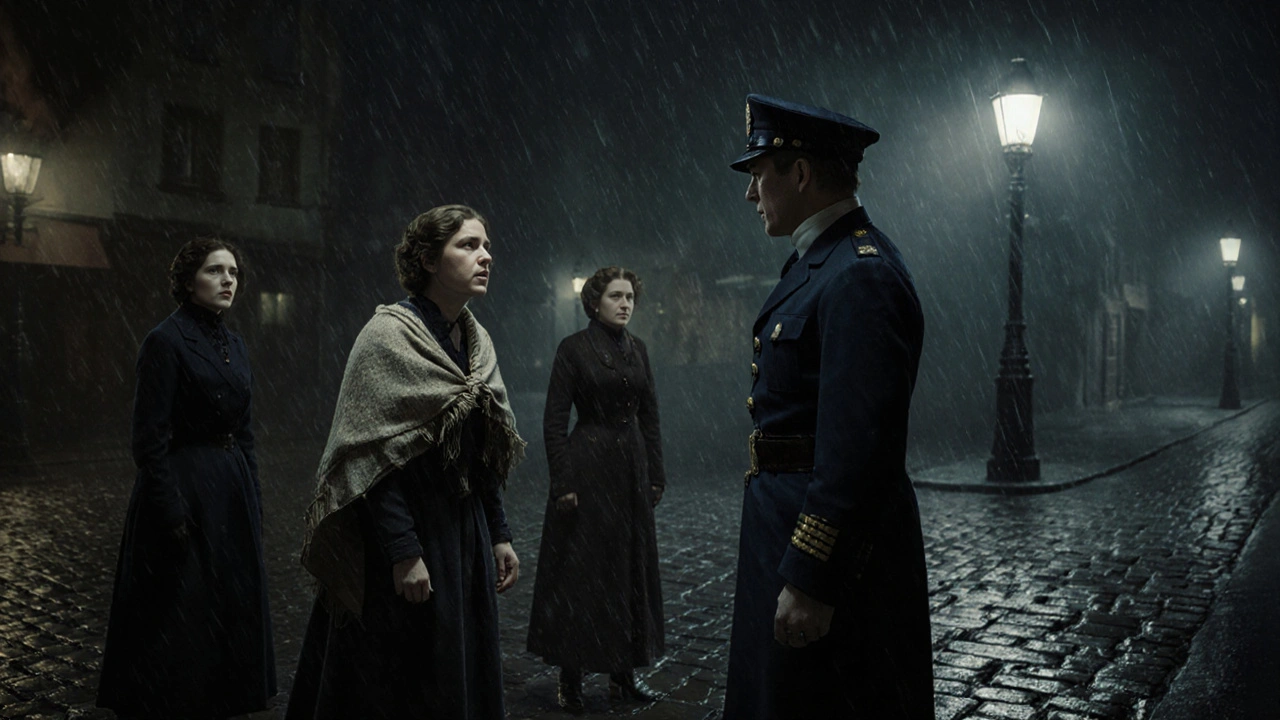
The Contagious Diseases Acts: How Victorian Britain Controlled Women’s Bodies Under the Guise of Public Health
Nov 14 2025 / History & CultureThe Contagious Diseases Acts forced Victorian women into invasive medical exams and imprisonment based on suspicion alone. A brutal system of gendered control, it was eventually repealed by one of Britain’s first feminist movements.
VIEW MORE