Victorian Era Gender: How Power, Shame, and Medicine Shaped Sex and Identity
When we talk about Victorian era gender, the rigid social and biological roles enforced in Britain between 1837 and 1901 that defined men as rational providers and women as pure, passive caretakers. Also known as Victorian sexual morality, it wasn’t just about manners—it was a system built to control bodies, silence desire, and lock people into roles that served economic and religious power. This wasn’t natural. It was manufactured. Doctors, clergy, and lawmakers worked together to turn biology into destiny. Women who expressed sexual desire? They were hysterical. Men who showed vulnerability? They were weak. And anyone who stepped outside those lines? They were dangerous.
The idea of female hysteria, a catch-all medical diagnosis used for centuries to explain women’s emotional or physical symptoms, from anxiety to sexual longing, by attributing them to a "wandering uterus". Also known as hysteria, it was the go-to excuse to justify locking women away, prescribing rest cures, and even forcing them into early vibrators—sold as medical devices to relieve "excess nervous energy." Meanwhile, Victorian sexuality, the tightly controlled, often hypocritical set of beliefs about sex, marriage, and desire in 19th-century Britain. Also known as repressed sexual culture, it claimed men were naturally lustful and women were naturally asexual, even as brothels thrived and masturbation was labeled a cause of insanity. The truth? Desire didn’t disappear—it got buried under layers of shame, silence, and medical lies. These weren’t just ideas. They were tools. They kept women dependent, men isolated, and the class system intact.
What you’ll find in these articles isn’t just history—it’s the origin story of how we still think about gender, pleasure, and power today. From the steam-powered vibrators doctors prescribed to cure "female hysteria," to the way Havelock Ellis quietly challenged the myths that made women feel broken, these pieces uncover the hidden battles fought behind closed doors. You’ll see how the same logic that labeled a woman’s orgasm as unnecessary still echoes in today’s orgasm gap. You’ll meet the doctors who called masturbation a disease, and the feminists who turned anatomy into rebellion. And you’ll understand why the silence around lesbian history, the erasure of bisexual identity, and the control over women’s bodies didn’t start in the 20th century—they were baked into the Victorian machine.
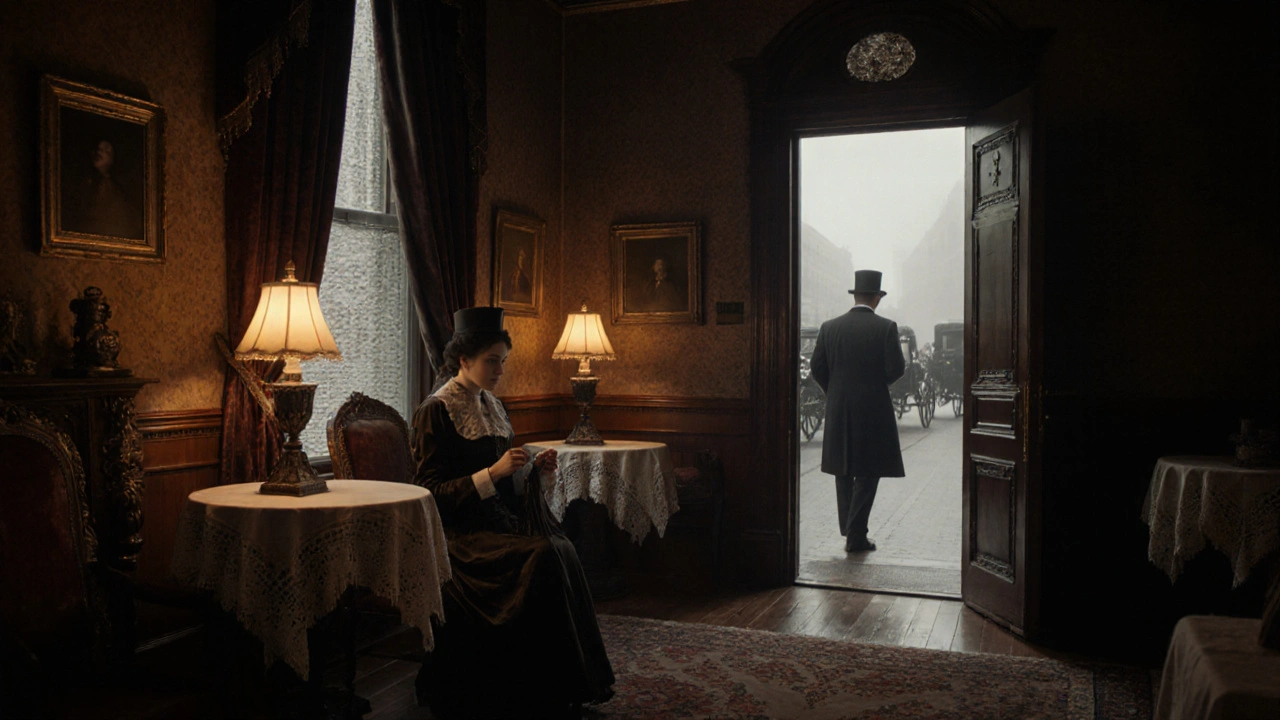
Victorian Separate Spheres: How Domestic Women and Public Men Shaped Gender Roles
Nov 28 2025 / History & CultureThe Victorian separate spheres ideology divided men into the public world of work and politics, and women into the private world of home and family. This rigid system shaped education, jobs, and even literature-and its legacy still echoes in gender roles today.
VIEW MORE