Victorian gender roles: How rigid norms shaped sex, shame, and silence
When we talk about Victorian gender roles, the rigid social expectations that defined men as providers and women as moral guardians during the 19th century. Also known as Victorian sexual morality, it was a system that turned every aspect of life—from clothing to conversation—into a performance of purity and control. Men were supposed to be strong, silent, and emotionally detached, while women were expected to be delicate, chaste, and devoted to home and children. But beneath the lace and corsets, this system wasn’t just about decorum—it was about power, suppression, and the medicalization of desire.
One of the most dangerous tools of control was the diagnosis of female hysteria, a catch-all medical label used to explain anything from anxiety to sexual desire in women. Also known as neurasthenia, it was treated with everything from cold baths to steam-powered vibrators—devices sold as medical tools but used by women for pleasure they weren’t allowed to admit they wanted. Meanwhile, men were told their sexuality was natural, even if it meant visiting brothels or suppressing emotions. The male breadwinner, the idealized man who earned, provided, and never showed weakness. Also known as Victorian masculinity, was just as trapped—by silence, by expectation, by the fear of being seen as anything less than in control. These roles didn’t just limit behavior—they rewired how people understood their own bodies. Masturbation was called a disease in women but a harmless habit in men. Sex outside marriage was a sin for women, a vice for men. And when women spoke up? They were labeled hysterical, immoral, or mad.
The legacy of these roles didn’t vanish with the Victorian era. They live on in the orgasm gap, in the way women are still shamed for wanting pleasure, and in the pressure men face to never ask for help. The posts below dig into how these myths were built—through medicine, law, literature, and silence—and how people fought back. You’ll find stories about banned erotic poems, the hidden use of early sex toys, the erasure of lesbian history, and how feminism cracked open the door to real change. This isn’t just history. It’s the foundation of how we still talk— or don’t talk—about sex today.
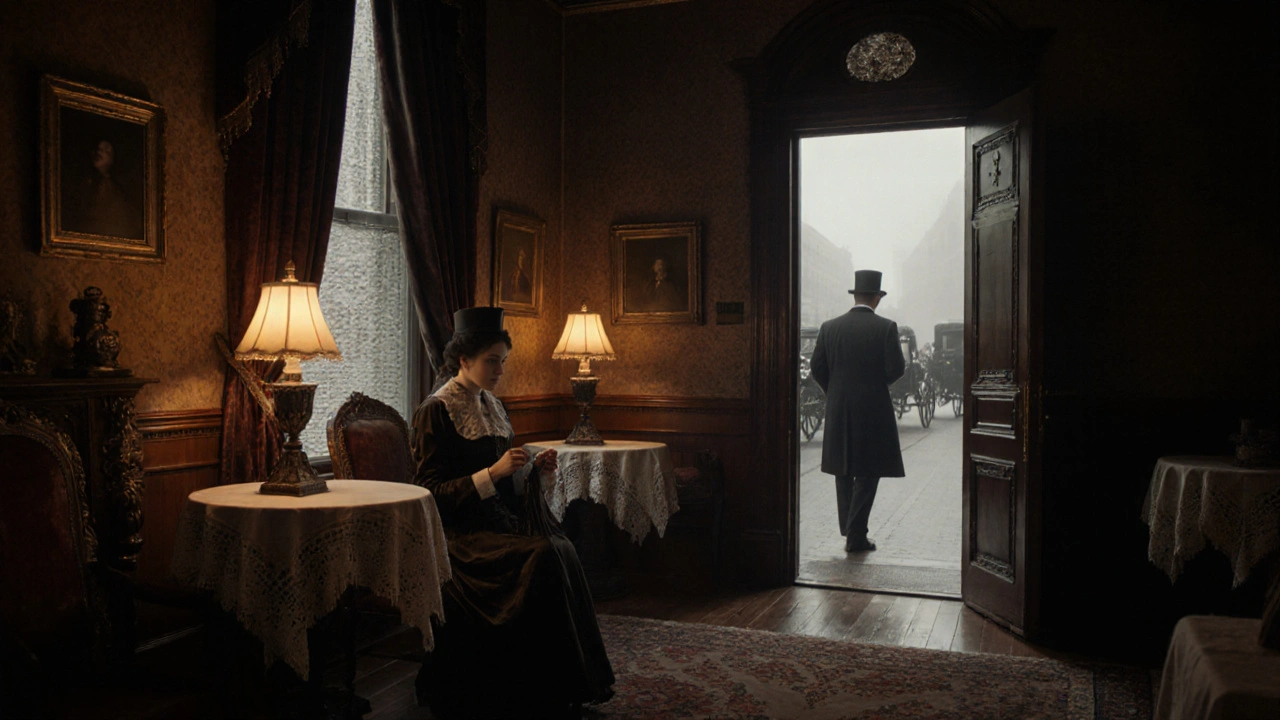
Victorian Separate Spheres: How Domestic Women and Public Men Shaped Gender Roles
Nov 28 2025 / History & CultureThe Victorian separate spheres ideology divided men into the public world of work and politics, and women into the private world of home and family. This rigid system shaped education, jobs, and even literature-and its legacy still echoes in gender roles today.
VIEW MORE