White Slavery: The Hidden History of Coercion, Exploitation, and Sexual Control
When people talk about white slavery, the historical term for the forced sexual exploitation of white women, often used to justify moral panics and restrictive laws. Also known as coerced prostitution, it was never just about abduction—it was about control, class, and who got to decide what counted as a victim. The term exploded in the late 1800s and early 1900s, not because more women were being kidnapped, but because society was terrified of women leaving traditional roles. Newspapers ran headlines about girls snatched off streets and sold into brothels, but the real story was messier: it was about policing sexuality, punishing independence, and criminalizing poverty.
Sexual exploitation, the use of power, deception, or force to control someone’s body for profit or pleasure didn’t start with white slavery—it just got a new label. Women working in brothels, street sex workers, even domestic servants were often labeled as "victims" whether they wanted to be or not. The same women who were called "fallen" were then used to push laws that banned everything from dancing in saloons to renting rooms alone. Meanwhile, Black, immigrant, and poor women were ignored—because the panic only mattered when it involved white, middle-class girls. Human trafficking, the modern term for forced labor and sexual exploitation across borders is the direct descendant of these old fears, just updated with new language and global reach. The tools changed: no more kidnapping myths, but now there’s online ads, debt bondage, and fake modeling jobs. The goal? Still the same—control.
What you’ll find here isn’t a list of sensational stories. It’s a collection of real history—how laws were built on lies, how medicine pathologized desire, how feminism fought back, and how silence became a weapon. From Victorian moral crusades to today’s debates over sex work legality, these articles show how white slavery was never really about saving women. It was about who gets to own their body—and who gets to decide for them.
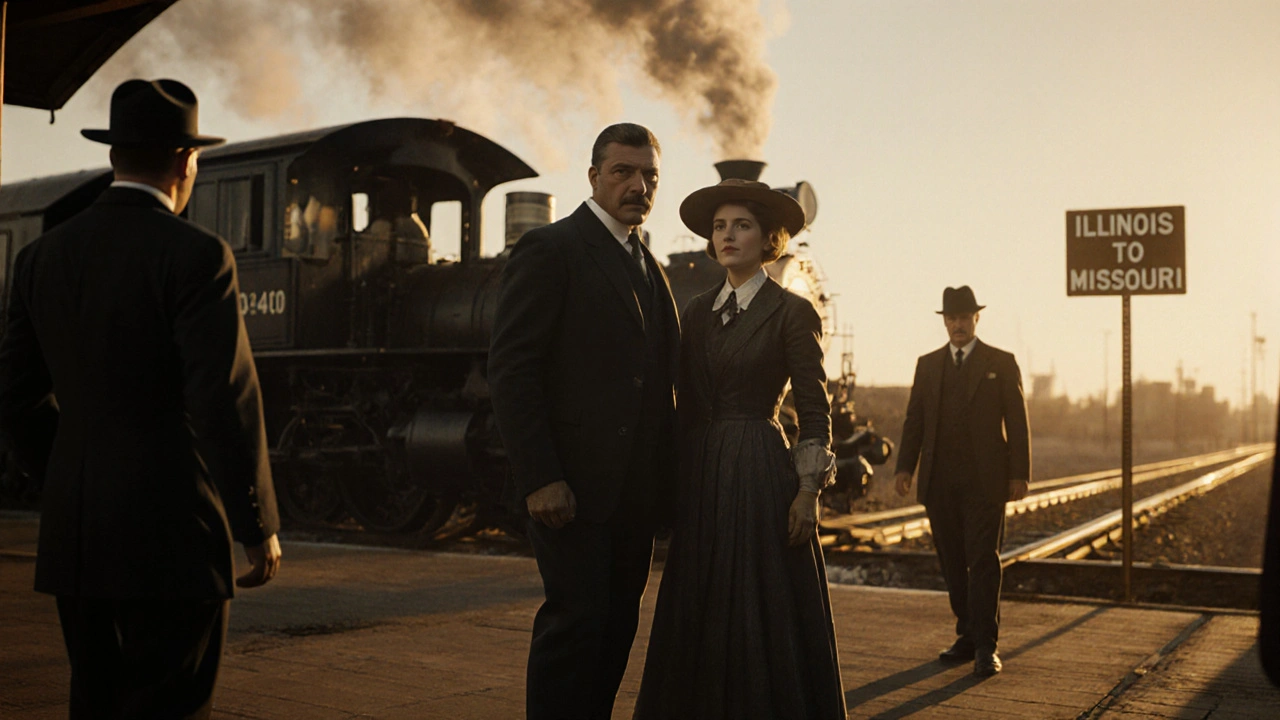
The Mann Act (1910): How a Moral Panic Criminalized Interracial Relationships and Shaped Federal Power
Oct 28 2025 / History & CultureThe Mann Act of 1910 was meant to stop sex trafficking but became a tool to criminalize interracial relationships and consensual sex. Jack Johnson's case exposed its racial bias, and its vague language led to decades of misuse.
VIEW MORE