Reproductive Strategy Comparison Tool
This tool helps you understand how different reproductive methods evolved in response to environmental pressures. Choose a strategy to see its key characteristics.
Click one of the buttons above to view detailed information about that reproductive strategy, including its environmental context, fossil evidence, and evolutionary benefits.
Efficiency & Survival Metrics
Key Evolutionary Insight
The transition from external to internal fertilization was driven by the need for higher reproductive success in variable environments like freshwater systems, where dilution and predation made external spawning less efficient.
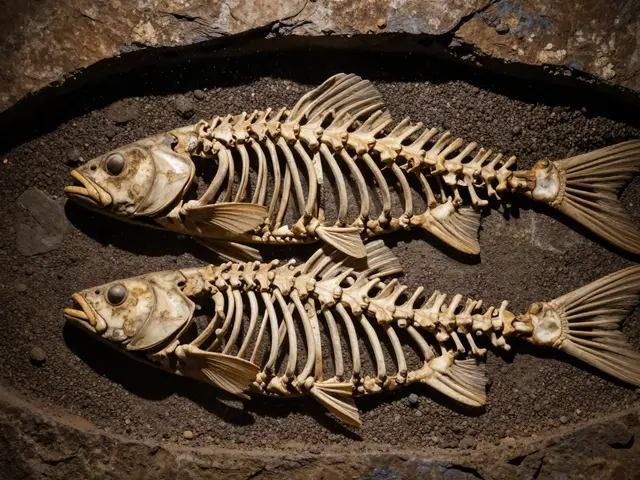
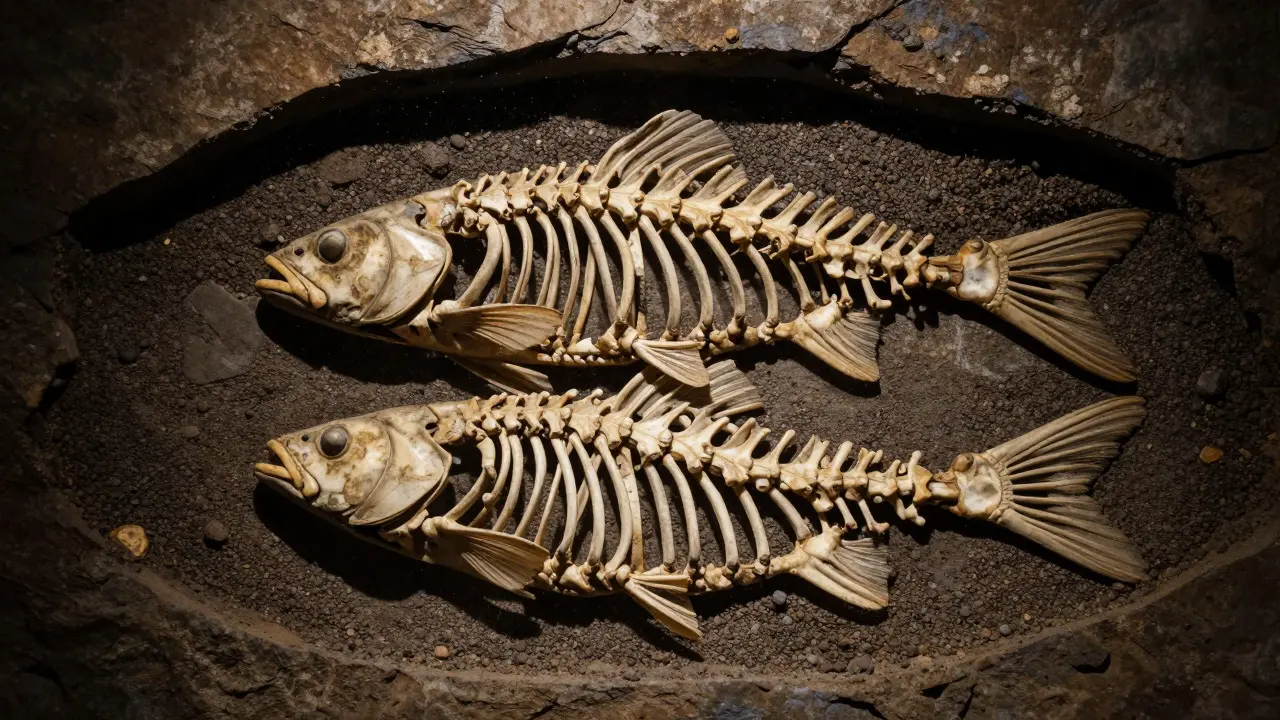
Imagine finding a stone that doesn't just show a skeleton, but captures the exact moment two animals were mating. That is what happened in 2019 when scientists discovered Dickinsonia... wait, no, that's an Ediacaran organism. Let's look closer at the actual breakthrough: the discovery of fossilized copulating fish in the Guanling Formation in China. These fossils, dating back approximately 380 million years to the Devonian period, provide the most direct physical proof we have of ancient sexual behavior. Before this find, we had to guess how early vertebrates reproduced based on bone structure and egg casings. Now, we have a snapshot of history frozen in stone.
The core problem with studying ancient sex is simple: soft tissues rarely fossilize. Bones and shells survive; muscles and reproductive organs usually do not. So, how did researchers determine these fish were mating? They looked at the positioning. The fossils show two fish locked together in a way that mimics modern pair-bonding species. One fish is positioned above the other, with their bodies aligned in a manner consistent with internal transfer of gametes. This isn't just two fish swimming near each other; the skeletal alignment suggests a specific biological interaction that lasted long enough for rapid mineralization to occur.
The Significance of Internal Fertilization in Evolution
To understand why this discovery matters, you have to understand the shift from external to internal fertilization. For hundreds of millions of years, life in the oceans relied on external fertilization. Think about salmon or many marine invertebrates today: they release eggs and sperm into the water, hoping they meet. It is inefficient. Most gametes are lost to predators or diluted by currents. But it works in vast open oceans where density is low and predation pressure on individual embryos can be managed by sheer volume.
Internal fertilization is a reproductive strategy where sperm is deposited directly inside the female's body, allowing fertilization to occur internally rather than in the external environment. This shift allowed for greater control over reproduction. It reduced the number of eggs needed because the chance of successful fertilization increased dramatically. More importantly, it paved the way for parental care. If the male is physically present during mating, he is already there to potentially protect the offspring. This is a crucial step toward the complex social behaviors we see in mammals and birds today.
The transition didn't happen overnight. It likely started in shallow, calm waters where external fertilization was less reliable due to lower water volumes. As fish moved into freshwater environments like rivers and lakes, the pressure to ensure reproductive success intensified. The Guanling fossils capture a moment in this transition. The species involved, identified as Liujiangocichla, belonged to a group of early ray-finned fishes. Their anatomy shows adaptations for maneuverability, which would have been necessary for the precise movements required for internal mating.
Analyzing the Fossils: What the Bones Reveal
How do you know if two dead fish were actually mating? You look at the bones. In the Guanling Formation, the fossils preserve not just the skeletons, but the relative positions of the vertebrae, ribs, and pelvic girdles. The pelvic bones of the upper fish are positioned in a way that suggests contact with the ventral side of the lower fish. In modern fish that use internal fertilization, such as live-bearing sharks or certain bony fish, the male has specialized structures called claspers or gonopodia to transfer sperm. While the soft tissue of these specific structures is gone, the skeletal context implies their existence and function.
Researchers compared these fossils to modern analogs. They studied how contemporary fish mate, looking at the angles and forces involved. The preservation quality is exceptional, attributed to rapid burial in anoxic (oxygen-poor) mudflats. This environment prevented scavengers from moving the bodies and slowed down decay, allowing fine details to be preserved. Without this specific geological accident, we might still be debating whether early vertebrates used internal fertilization at all.
This level of detail allows scientists to reconstruct the biomechanics of ancient mating. Did they lock jaws? Did they use fins for stability? The fossils suggest a stable, coordinated movement. This challenges older ideas that early vertebrate mating was chaotic or purely opportunistic. Instead, it points to a more deliberate, perhaps even ritualized, behavior. This has implications for how we view the evolution of brain complexity. If mating requires coordination, it may have driven the development of better sensory processing and motor control in these early animals.
Comparing Reproductive Strategies Across Eras
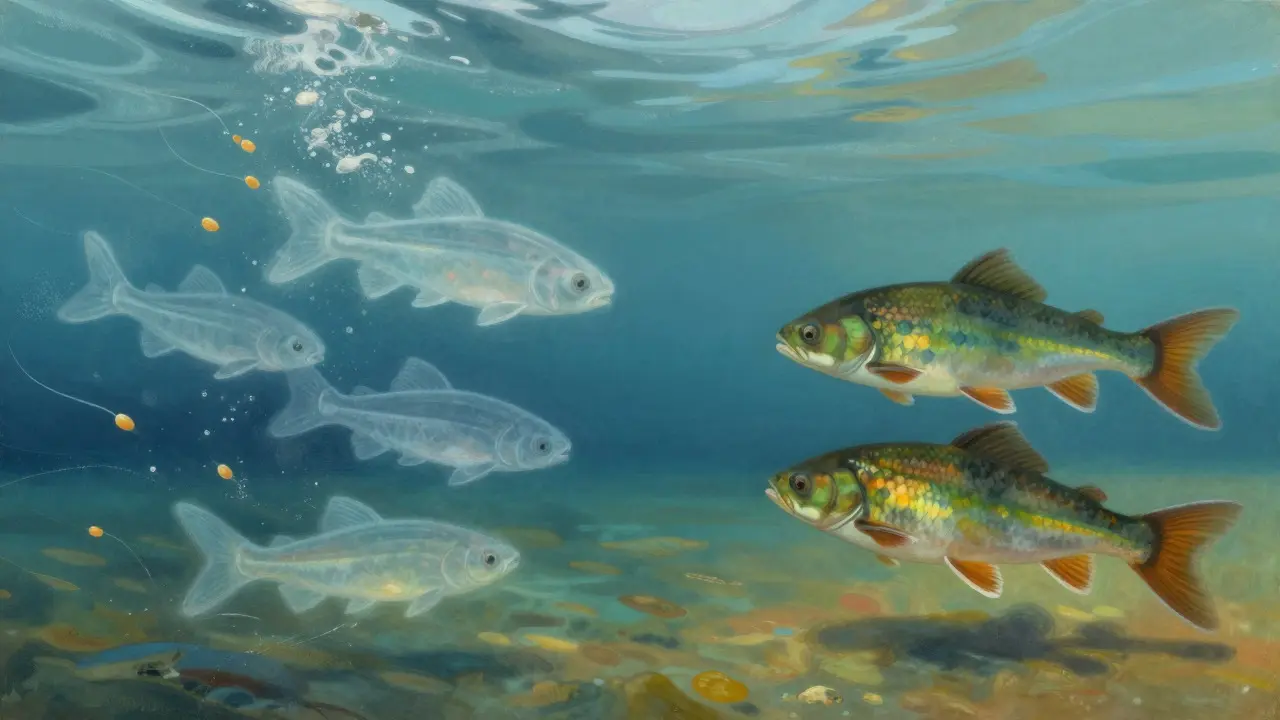
It helps to put this in perspective by comparing different reproductive modes found in the fossil record. We can categorize them by efficiency and environmental dependency. External fertilization is common in aquatic environments with high salinity or large volumes. Internal fertilization dominates in terrestrial or semi-terrestrial environments, and increasingly in freshwater systems.
| Strategy | Environment | Fossil Evidence Quality | Evolutionary Advantage |
|---|---|---|---|
| External Fertilization | Oceanic / Shallow Water | Egg casings only | High volume production |
| Internal Fertilization | Freshwater / Calm Waters | Copulating pairs (Guanling) | Higher survival rate per egg |
| Viviparity (Live Birth) | Variable | Rare, isolated finds | Direct parental protection |
Implications for Understanding Human Ancestry
You might wonder, "What does this have to do with us?" Well, humans are tetrapods, and tetrapods evolved from lobe-finned fish. While the specific mechanism of human reproduction is distinct from fish, the underlying drive for efficient gamete transfer is part of a broader evolutionary narrative. The move toward internal fertilization in fish parallels later developments in amphibians and reptiles. Each step reduced the dependence on external water for reproduction, eventually allowing life to colonize land fully.
Understanding the mechanics of ancient copulation also helps us interpret other fossil finds. When we find paired fossils of dinosaurs or early mammals, we can now apply similar analytical frameworks. Are they fighting? Nesting? Mating? The Guanling discovery provides a template for distinguishing between random death and behavioral interaction. It adds a layer of behavioral ecology to paleontology, moving beyond just "what did they eat" to "how did they interact socially."
This also impacts how we study extinct species' lifecycles. If we can identify mating postures, we can infer breeding seasons, population densities, and social structures. For example, if we find multiple pairs in the same location, it might indicate communal nesting or seasonal aggregation. These insights transform static bones into dynamic stories of life and behavior.
Challenges and Future Research Directions
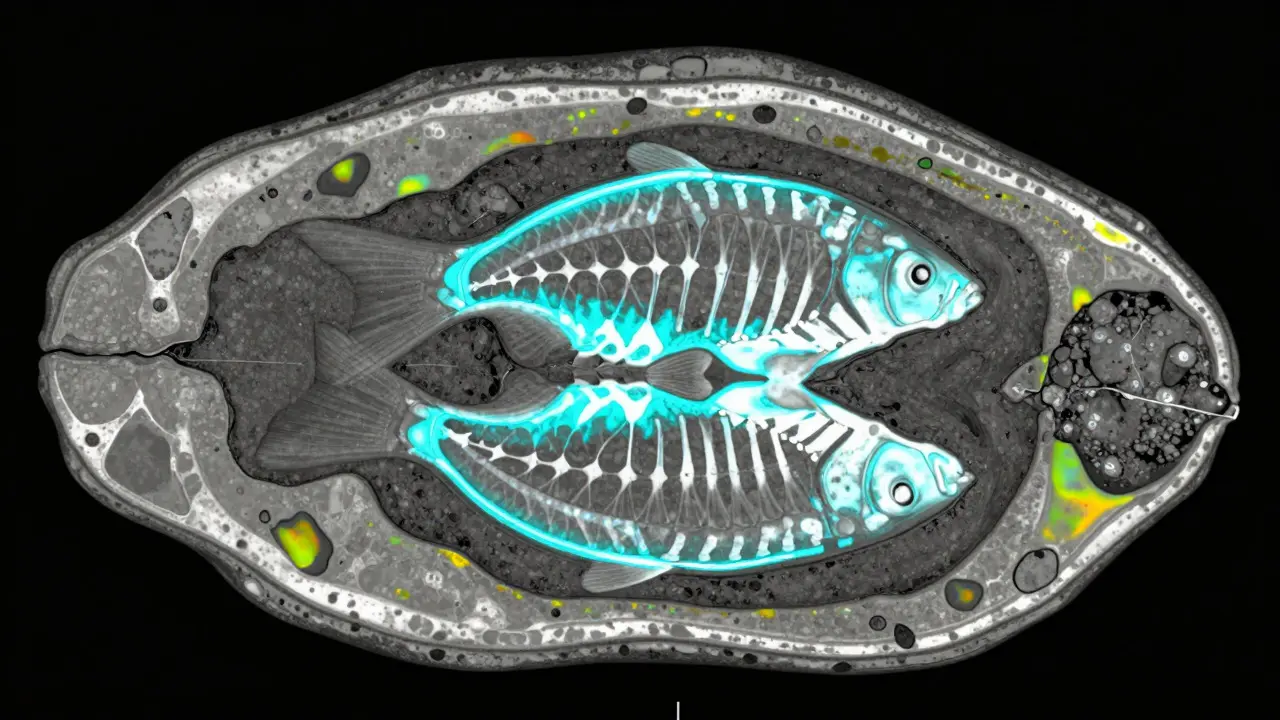
Despite the excitement, there are limitations. The Guanling fossils are rare. Finding another instance of preserved copulation is unlikely in the short term. This means our understanding is currently based on a very small sample size. Scientists are using micro-CT scanning to look for subtle bone deformities that might indicate stress or injury related to mating. They are also analyzing the sediment around the fossils to understand the speed of burial. If the burial took hours, the animals might have been alive when covered. If it took days, they might have died before being buried. Distinguishing between these scenarios is critical for accuracy.
Future research will likely focus on molecular paleontology. Can we extract DNA from these 380-million-year-old fossils? Probably not intact DNA, but maybe proteins or isotopic signatures that reveal diet or metabolic rates. Combining structural data with chemical analysis could give us a fuller picture of the physiological state of these animals during mating. Was it a one-time event or part of a sustained pairing? Chemical markers might help answer that.
Additionally, comparative studies with living relatives are ongoing. By observing how modern fish in similar habitats behave, researchers can build models of ancient behavior. This interdisciplinary approach combines field observation, laboratory analysis, and computational modeling. It represents the future of paleobiology: not just describing the past, but simulating it.
Frequently Asked Questions
Are the Guanling fossils the oldest evidence of mating?
They are among the oldest clear evidence of copulation in vertebrates. While there are older fossils of animals in close proximity, the anatomical alignment in the Guanling specimens specifically supports the interpretation of mating behavior involving internal fertilization mechanisms.
How do scientists distinguish mating from fighting in fossils?
Scientists look at the orientation of the heads, the position of the jaws, and the alignment of the pelvic regions. Fighting often involves head-to-head contact or biting marks. Mating involves body-to-body alignment without defensive postures, often with the ventral sides facing each other.
Did all early fish use internal fertilization?
No. Many early fish, particularly those in open ocean environments, used external fertilization. The shift to internal fertilization was gradual and varied by lineage and habitat. The Guanling fossils represent a specific branch of evolution where this trait emerged earlier.
Why is the preservation of soft tissue so rare in fossils?
Soft tissues decompose quickly after death. For them to fossilize, the animal must be buried rapidly in an environment with little oxygen, preventing bacterial decay. This is known as exceptional preservation, and it occurs in only a small fraction of fossil sites worldwide.
How does this discovery change our view of dinosaur ancestors?
It reinforces the idea that complex reproductive behaviors existed long before dinosaurs appeared. Since tetrapods evolved from fish, understanding fish mating behaviors helps us trace the evolutionary roots of terrestrial animal social structures and reproductive strategies.