U.S. Sexual Expression Legal Classifier
Disclaimer: This tool is for educational purposes and based on the article's content. It does not constitute legal advice. Legal standards can vary significantly by local jurisdiction.
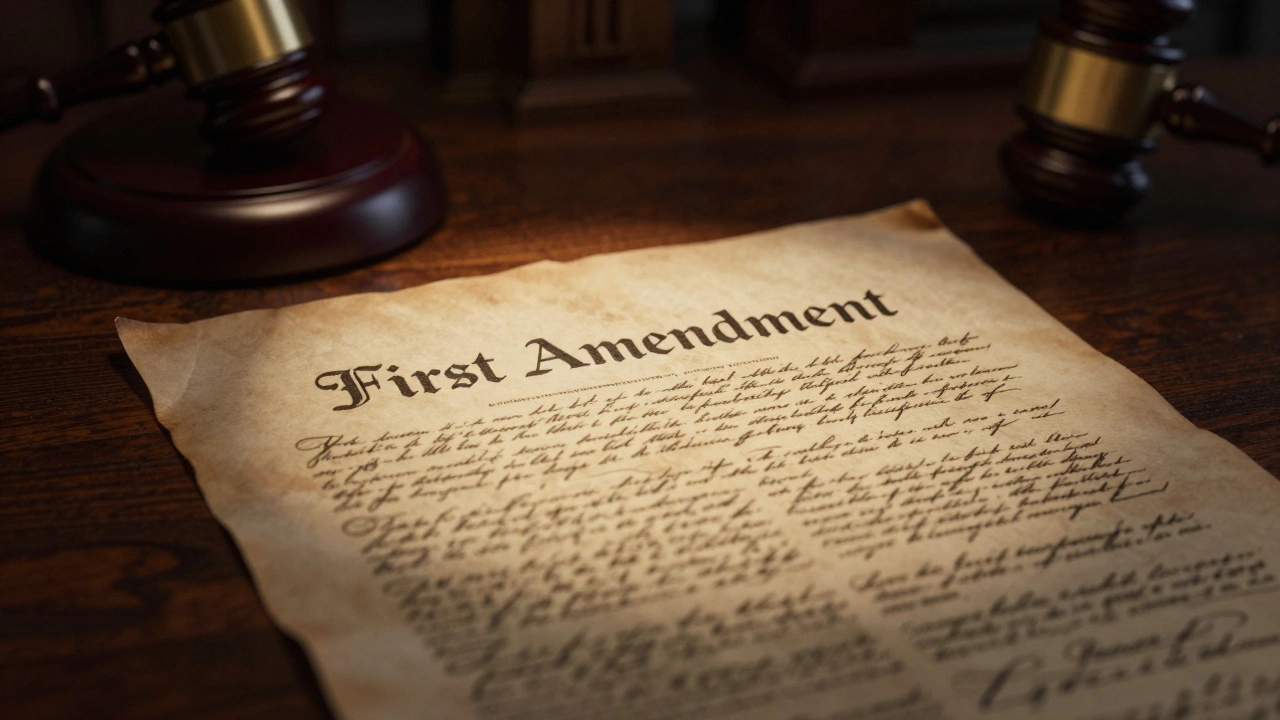
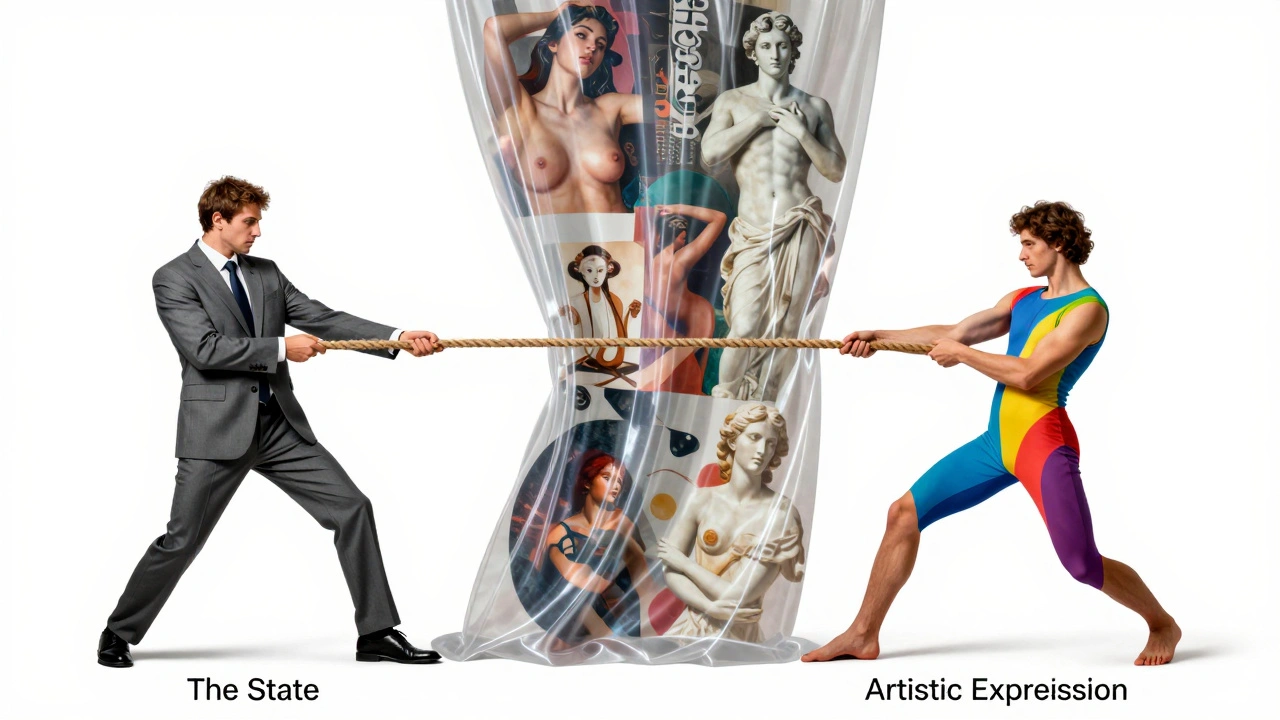
Can the government tell you what you can watch in the privacy of your own bedroom? It sounds like a question from a different era, but it's a tension that still defines the legal landscape of the internet today. The clash between First Amendment is the part of the U.S. Constitution that prohibits the government from making laws restricting free speech, press, and religion protections and the desire to regulate sexual content is a tug-of-war that never really ends. While we often think of free speech as an absolute shield, sexual expression is frequently treated as a "second-class citizen" in the eyes of the law.
The Thin Line Between Art and Obscenity
To understand why some sexual content is legal and some isn't, we have to look at the concept of Obscenity. In the eyes of the law, not all pornography is created equal. While the word "pornography" describes a broad range of sexual materials, "obscenity" is a specific legal category that isn't protected by the Constitution.
This distinction became clear in the 1957 case Roth v. United States. The Supreme Court decided that obscenity doesn't fall under the umbrella of protected speech. But how do they decide what's obscene? They use a test based on "contemporary community standards." Essentially, if the material violates what the average person in a community finds acceptable and lacks serious literary, artistic, political, or scientific value, it can be banned. This creates a messy reality where a piece of art might be a masterpiece in New York City but considered a crime in a small rural town.
Interestingly, the courts have drawn a hard line when it comes to virtual content. For instance, the law recognizes that simulated child pornography-where no real children are harmed-is protected speech. Why? Because there's no actual victim. This highlights a core theme in American law: the government generally can't punish you for an idea or a fake image unless a real person is being hurt in the process.
The Harm Principle: Why We Censor
If you ask a philosopher why we should or shouldn't censor sexual content, they'll likely bring up John Stuart Mill and his Harm Principle. This idea is simple: the only time the state is justified in interfering with the freedom of a mentally competent adult is to prevent harm to others.
When applied to sexual discourse, the Harm Principle puts the burden of proof on the censors. If you want to ban a certain type of pornography, you can't just say "it's immoral" or "it's gross." You have to prove that it causes tangible harm to someone other than the consenting adults involved. This is where the legal and scientific worlds often clash. For decades, critics have argued that pornography leads to violence or social decay. However, scientifically, no causal link has ever been established between viewing sexually explicit material and committing anti-social or violent crimes.
Despite this lack of scientific evidence, we still see censorship based on "morality." Many legal scholars argue this is a lingering effect of the U.S.'s Puritan heritage-the idea that some things are just inherently "wrong," regardless of whether they actually hurt anyone.
| Category | First Amendment Protection | Primary Reason for Restriction | Example |
|---|---|---|---|
| Political Speech | Highest Protection | Essential for Democracy | Protesting Government Policy |
| Sexual Expression | Moderate/Low Protection | Community Moral Standards | Adult Magazines |
| Obscenity | No Protection | Lack of Social Value | Hardcore "Obscene" Material |
| Child Pornography | No Protection | Direct Harm to Children | Real Child Exploitation |
The Right to Receive Information
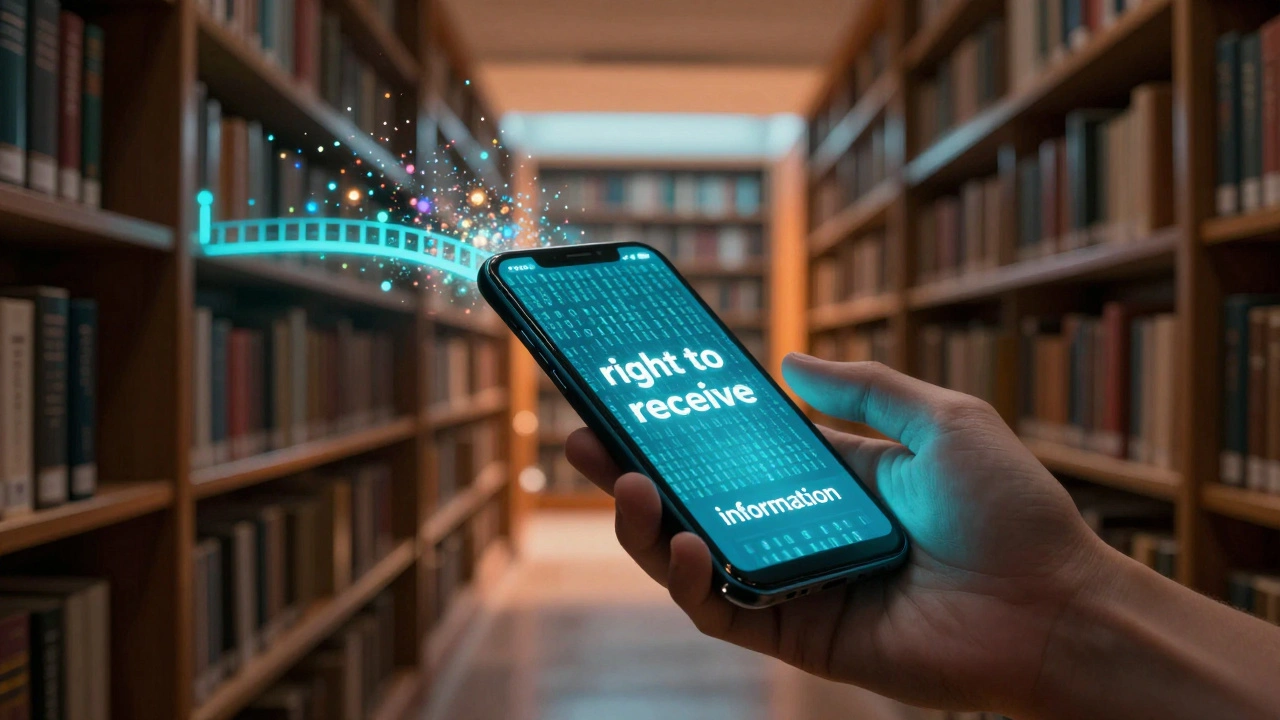
Most of the conversation about censorship focuses on the person *creating* the content. But there's another side to this: the right of the person *consuming* it. The Supreme Court has established that the Right to Receive Information is a fundamental part of free speech. You can't have a right to speak if there's no one allowed to listen.
This principle isn't just about pornography; it's the same reason why removing books from school libraries is such a hot-button legal issue. When the government restricts access to lawful sexual expression, they aren't just silencing a producer-they are infringing on the autonomy of the citizen to seek out information and ideas, even if those ideas are unpopular or distasteful.
Modern Tensions: The Internet and Social Media
The digital age has turned this legal struggle into a chaotic free-for-all. In the past, censorship happened at the bookstore or the cinema. Now, it happens via algorithms and Terms of Service. We are seeing a rise in anti-pornography movements that want to bring back strict controls to the internet, arguing that the sheer availability of sexual content has created a new kind of societal harm.
This brings up a tricky distinction between government censorship and private moderation. Social Media Platforms are private companies. They have the right to decide what they want to host on their servers. If a platform bans sexually explicit content, they aren't violating the First Amendment because the First Amendment only stops the *government* from censoring you. However, when governments start pressuring these platforms to remove content, we enter a legal grey area that risks turning private companies into arms of state censorship.
The Slippery Slope of "Moral" Regulation
The danger of allowing censorship based on morality is that "morality" is a moving target. What is considered obscene today might be considered a classic tomorrow. History is full of examples where artistic expression was banned for being "lewd" only to be celebrated decades later. Justice Louis Brandeis famously argued that the way to handle differences in value is not through enforced silence, but through "more speech."
When we allow the state to define what is "moral" in sexual discourse, we risk a slippery slope. If we can ban pornography because it's "offensive," why not ban political pamphlets that offend religious groups? Or books that challenge traditional gender roles? The protection of sexual expression, however controversial, serves as a vital firewall that prevents the government from policing the private thoughts and desires of its citizens.
Practical Takeaways for Navigating Sexual Discourse
Navigating the intersection of law and sexuality requires a few basic rules of thumb. First, understand that the First Amendment does not protect everything. If content involves non-consenting parties or real children, the law is absolute: it's a crime, not a speech issue. Second, recognize that "community standards" are the primary tool used to justify the censorship of adult materials, making the law highly inconsistent across different regions.
For those involved in creating or distributing sexual content, the biggest risk often isn't the federal law, but local ordinances and the evolving policies of payment processors and hosting providers, who often apply a stricter moral code than the U.S. Constitution does.
Is all pornography considered "obscene" under U.S. law?
No. Most pornography is legally protected as free speech. Only a narrow category of material that meets the legal definition of "obscenity"-meaning it lacks serious literary, artistic, political, or scientific value and violates community standards-is unprotected by the First Amendment.
What is the "Harm Principle" in the context of censorship?
The Harm Principle, developed by John Stuart Mill, suggests that the only legitimate reason for the state to restrict an individual's freedom is to prevent harm to others. In sexual discourse, this means censorship is only justified if it can be proven that the material causes actual harm to non-consenting parties, rather than simply being offensive to some people.
Why is virtual child pornography protected while real child pornography is not?
The Supreme Court has ruled that virtual child pornography (simulated images with no real children involved) is protected because it does not cause direct harm to an actual child. The law distinguishes between the act of exploiting a human being and the act of creating a fictional or simulated image.
Does the First Amendment apply to content moderation on social media?
Generally, no. The First Amendment prohibits the government from censoring speech, but social media platforms are private businesses. They have the legal right to set their own community guidelines and remove content they find offensive or inappropriate.
What is the "right to receive information"?
This is a legal principle stating that the freedom of speech includes the right of the audience to access and receive ideas. It means that blocking access to lawful sexual expression is not just a restriction on the creator, but a violation of the consumer's constitutional rights.