AIDS Activism
When AIDS activism, a grassroots movement that fought for recognition, treatment, and dignity during the HIV/AIDS crisis. Also known as HIV advocacy, it emerged not from boardrooms, but from funeral homes, hospital waiting rooms, and abandoned buildings where people were dying alone. In the early 1980s, the government ignored the disease. The media called it a "gay plague." Doctors didn’t know how to treat it. And families abandoned their own. But instead of waiting for permission to grieve, people like Larry Kramer, Marsha P. Johnson, and countless unnamed others organized. They didn’t ask for change—they demanded it. And they won.
ACT UP, a direct-action group founded in 1987 that used civil disobedience to force drug approvals and public awareness didn’t sit quietly. They shut down the FDA, chained themselves to the White House, and dropped condoms on Wall Street. Their protests weren’t just symbolic—they changed science. Before ACT UP, it took years for a drug to get approved. After their pressure, the FDA began fast-tracking treatments. The Lazarus Effect, the term for how antiretroviral drugs brought people back from near-death didn’t happen by accident. It happened because activists sat in offices, held signs that read "Silence = Death," and refused to let politicians pretend the crisis wasn’t real.
AIDS activism didn’t just change medicine—it changed how we think about bodies, shame, and power. It exposed how LGBTQ+ people, especially Black and Brown queer folks, were left to die because they were seen as disposable. It forced hospitals to treat patients with dignity. It made sex education real, not moralistic. And it gave us the language to fight back when health systems fail. The same tactics that saved lives in the 1980s are now used in fights over abortion rights, trans healthcare, and opioid access. This collection doesn’t just remember the past—it shows how those battles still shape today’s struggles for bodily autonomy.
Here, you’ll find stories that connect AIDS activism to the broader fight for sexual freedom: how police raids on gay bars led to Stonewall, how feminist writers challenged medical myths about female pleasure, how legal protections for LGBTQ+ people were won through street protests, and how silence was broken—not with speeches, but with fists raised. These aren’t just history lessons. They’re blueprints.
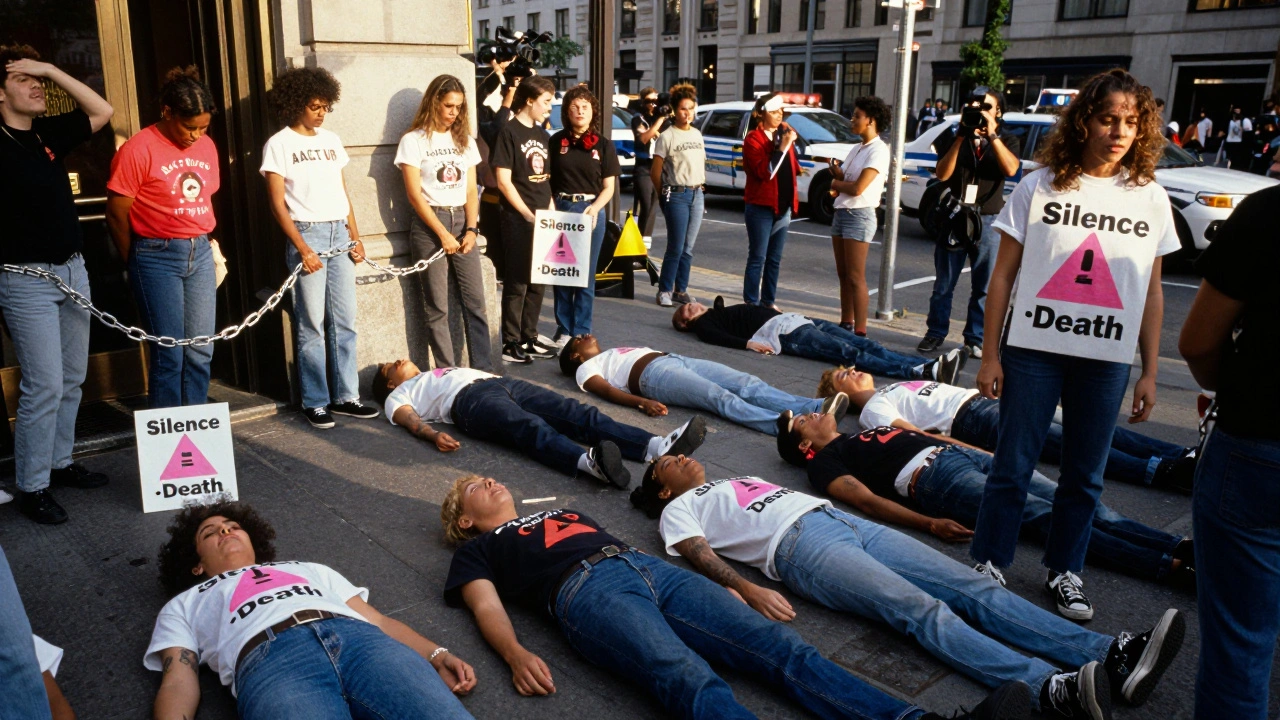
ACT UP: How Direct Action Changed the AIDS Crisis Forever
Dec 8 2025 / LGBTQ+ HistoryACT UP transformed the AIDS crisis through fearless direct action, forcing governments and drug companies to act. Their protests saved millions, changed medical policy, and redefined patient rights - all without waiting for permission.
VIEW MORE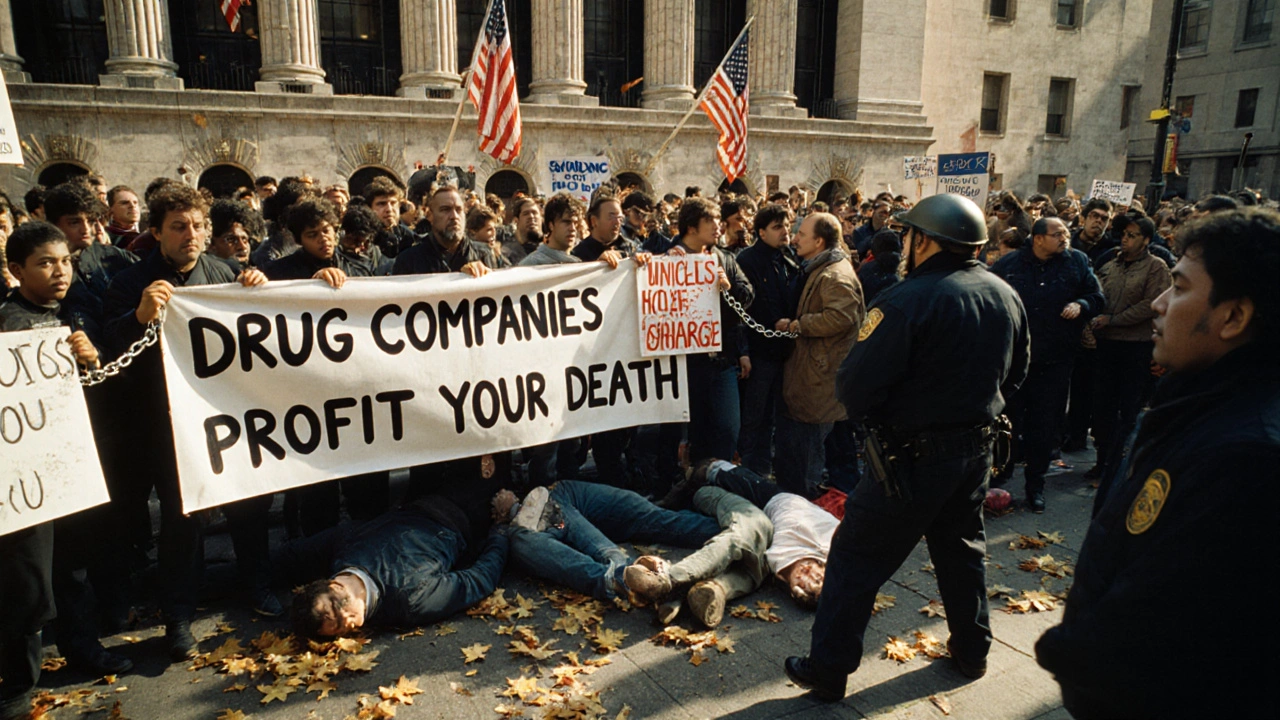
Civil Disobedience and AIDS: How Activists Forced Change in the Streets
Oct 31 2025 / Social PolicyACT UP used civil disobedience to force government and pharmaceutical companies to act during the AIDS crisis. Their protests lowered drug prices, changed medical research, and saved millions of lives.
VIEW MORE
Silence = Death: How a Simple Poster Ignited the AIDS Activist Movement
Oct 31 2025 / LGBTQ+ HistoryThe 'Silence = Death' poster, created in 1986 by a group of gay activists, became the defining symbol of the AIDS crisis. It turned grief into action, sparked ACT UP, and changed how movements fight for justice.
VIEW MORE