AIDS epidemic: How HIV Changed Sex, Science, and Society
When the AIDS epidemic, a global health crisis triggered by the HIV virus that devastated communities in the 1980s and beyond first hit, no one knew how it spread, who it would kill, or if anyone would care. It didn’t just take lives—it tore open the hidden fractures in society. Governments ignored it. Doctors didn’t understand it. Families turned away. But the people most affected—gay men, sex workers, drug users, Black and Brown communities—fought back with a fury that changed medicine, law, and culture forever. This wasn’t just a disease. It was a mirror, showing who society valued, and who it left to die.
The HIV treatment, medical interventions designed to suppress the virus and prevent progression to AIDS we have today didn’t appear out of nowhere. It was built by activists who stormed FDA offices, demanded faster drug approvals, and forced pharmaceutical companies to lower prices. The antiretroviral therapy, a combination of drugs that stops HIV from replicating, turning a death sentence into a manageable condition that keeps millions alive now was once considered science fiction. Before it, people were dying in their 20s and 30s, not from old age, but because the system refused to act. The LGBTQ+ history, the collective struggle for rights, visibility, and survival in the face of stigma and violence we see today—marriage equality, workplace protections, public Pride marches—was forged in the crematoriums and hospital rooms of the epidemic. This isn’t ancient history. It’s the foundation of every modern sexual health conversation.
And the sexual health, the physical, emotional, and social well-being related to sexuality and reproductive systems lessons from that time still matter. Condoms weren’t just protection—they were political tools. Testing wasn’t just medical—it was an act of survival. Talking openly about sex wasn’t taboo—it was life-or-death. The silence that once killed is now replaced by a hard-won honesty. The articles below don’t just talk about the past. They show how the AIDS epidemic reshaped everything: how we understand consent, how we treat sex work, how we fight stigma, and how we finally started listening to the people most at risk. You’ll find stories of erased voices, medical breakthroughs, and the quiet courage of those who refused to disappear. This is the real history—not the headlines, but the lives behind them.
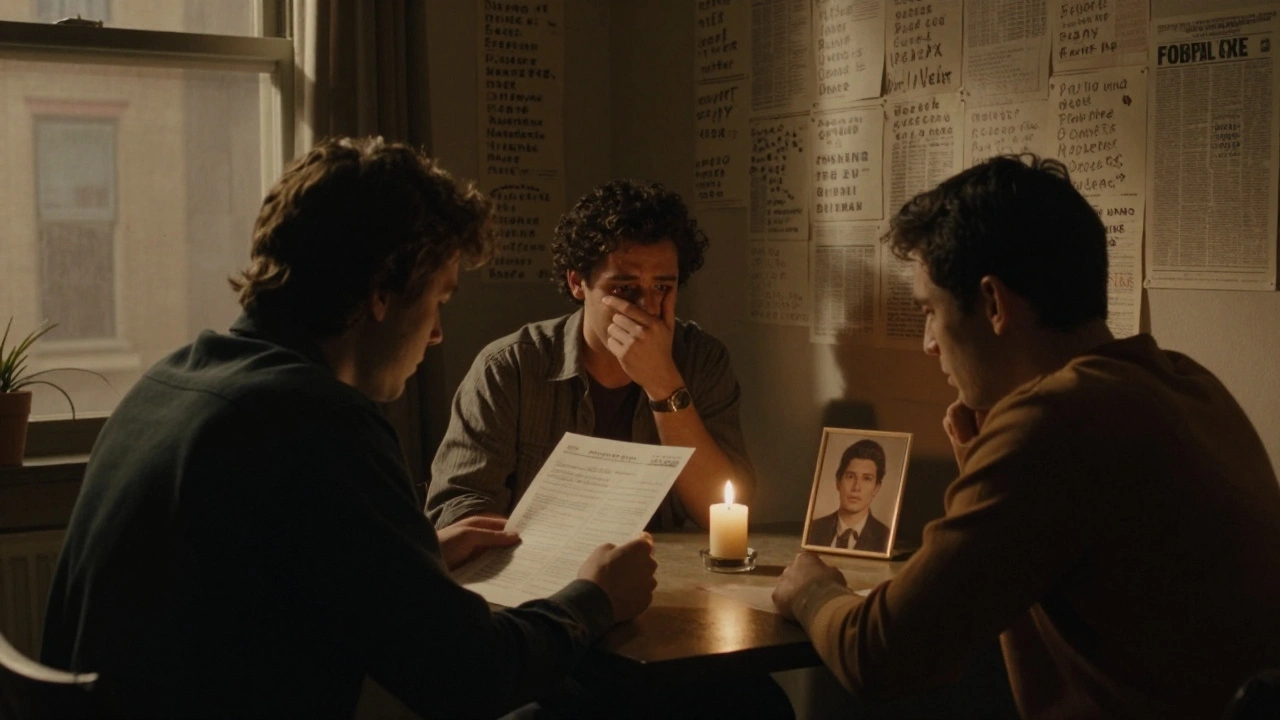
The AIDS Epidemic: Devastation, Stigma, and LGBTQ+ Activism
Feb 23 2026 / LGBTQ+ HistoryThe AIDS epidemic killed over 44 million people worldwide and reshaped LGBTQ+ rights, public health, and activism. From government neglect to community resistance, this is the story of how stigma met solidarity - and why it still matters today.
VIEW MORE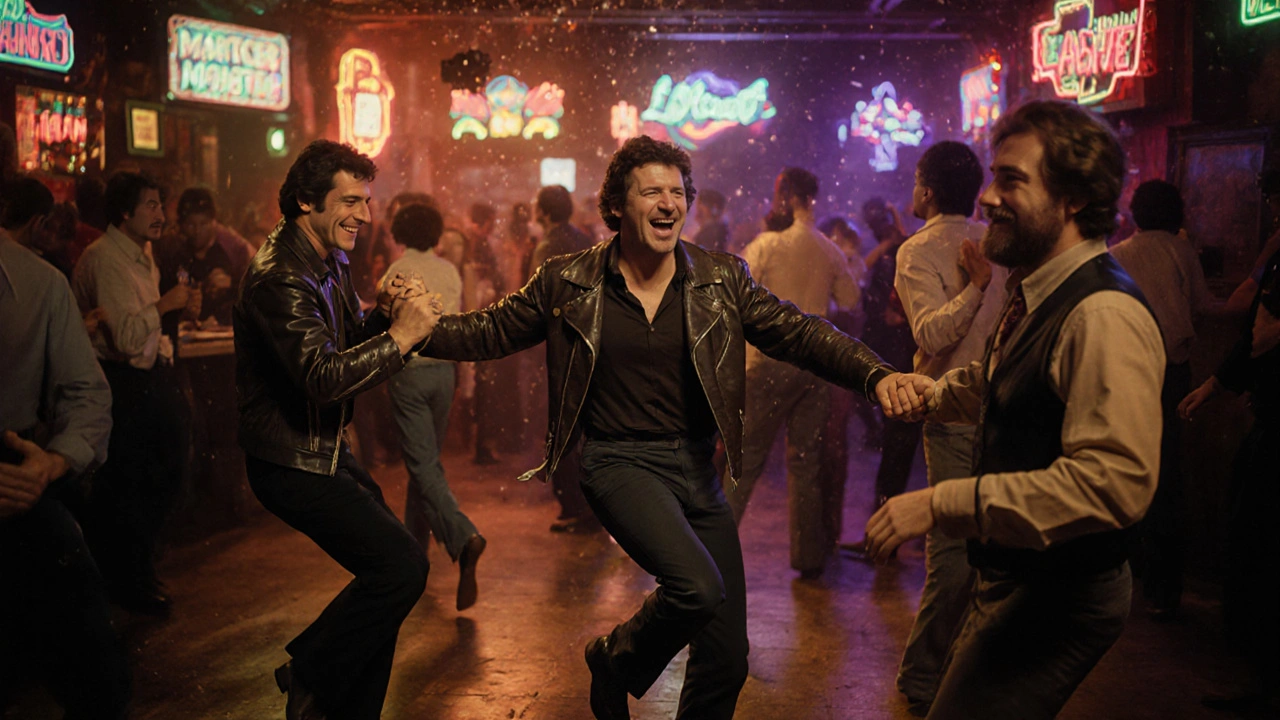
Decline of Sexual Optimism: How AIDS Changed American Sexuality Forever
Nov 26 2025 / History & CultureThe AIDS epidemic shattered the sexual optimism of the 1970s, forcing a radical shift in how Americans approach sex, intimacy, and health. What began as a crisis of disease became a revolution in sexual responsibility.
VIEW MORE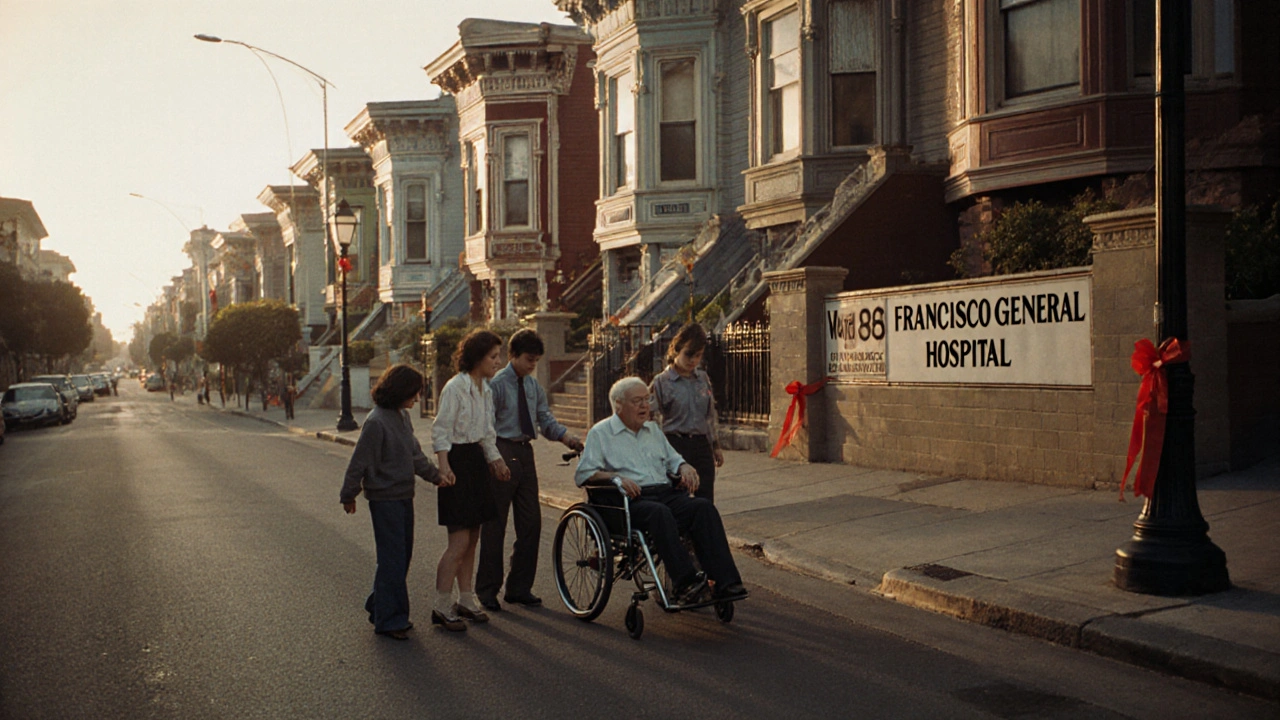
Cities Hit Hardest by AIDS: San Francisco, New York, Fort Lauderdale
Oct 24 2025 / History & CultureSan Francisco, New York, and Fort Lauderdale were among the hardest-hit U.S. cities during the AIDS epidemic. Learn how community action saved lives in San Francisco, why New York struggled, and why Fort Lauderdale’s crisis was largely overlooked.
VIEW MORE