Comprehensive Sex Education: What It Is, Why It Matters, and What History Teaches Us
When we talk about comprehensive sex education, a holistic approach to teaching about sexuality, relationships, consent, and bodily autonomy. Also known as full-spectrum sex ed, it doesn’t just cover anatomy—it answers the questions kids and teens actually have, like how to say no, how to recognize pressure, and why pleasure matters. This isn’t new. For decades, schools avoided real talk about sex, leaving students to learn from peers, porn, or silence. But history shows us that when we skip the hard parts—like consent, gender norms, or LGBTQ+ identities—we don’t protect people. We just make them more vulnerable.
Take consent, the ongoing, enthusiastic agreement between people that can be withdrawn at any time. Also known as affirmative consent, it’s not just a legal term—it’s a cultural shift. The Victorian era told women their bodies were sacred but silent. The 1970s feminist movement, like Anne Koedt’s work on the clitoris, proved that silence wasn’t purity—it was control. Today, we know that teaching consent means teaching power dynamics, emotional pressure, and how to recognize when "yes" isn’t really yes. And it’s not just about teens. The same principles apply to adults navigating relationships, workplace boundaries, and digital intimacy.
Then there’s gender roles, the societal expectations tied to being male, female, or something else. Also known as socialized sexuality, they’ve changed dramatically. The Victorian idea of separate spheres—men in public, women at home—still echoes in how we talk about male vulnerability or female desire. Meanwhile, bisexual erasure, lesbian invisibility in archives, and the medicalization of masturbation show how power shapes what we’re allowed to know. Comprehensive sex education doesn’t ignore these histories. It uses them to explain why certain myths stick, why shame lingers, and why some people still feel broken for wanting what’s natural.
And let’s not forget sexual health, the physical, emotional, and social well-being related to sexuality. Also known as whole-person sexual wellness, it includes everything from HIV treatment to vibrator history. People used to think vibrators cured hysteria. Now we know they’re tools for pleasure, not pathology. The same shift is happening with masturbation, transgender care, and non-consensual surgeries. Comprehensive sex education isn’t about pushing a agenda. It’s about giving people facts so they can make their own choices—without fear, without shame, without being lied to.
What you’ll find below isn’t a textbook. It’s a collection of real stories—how women fought to claim their orgasms, how gay bars became battlegrounds for dignity, how medieval marriages were economic deals, and how ancient Etruscans saw sex as part of the afterlife. These aren’t just history. They’re the roots of the conversations we’re still having today. And if you’ve ever wondered why sex education feels so broken, the answers are right here—in the silence, the myths, and the people who refused to stay quiet.
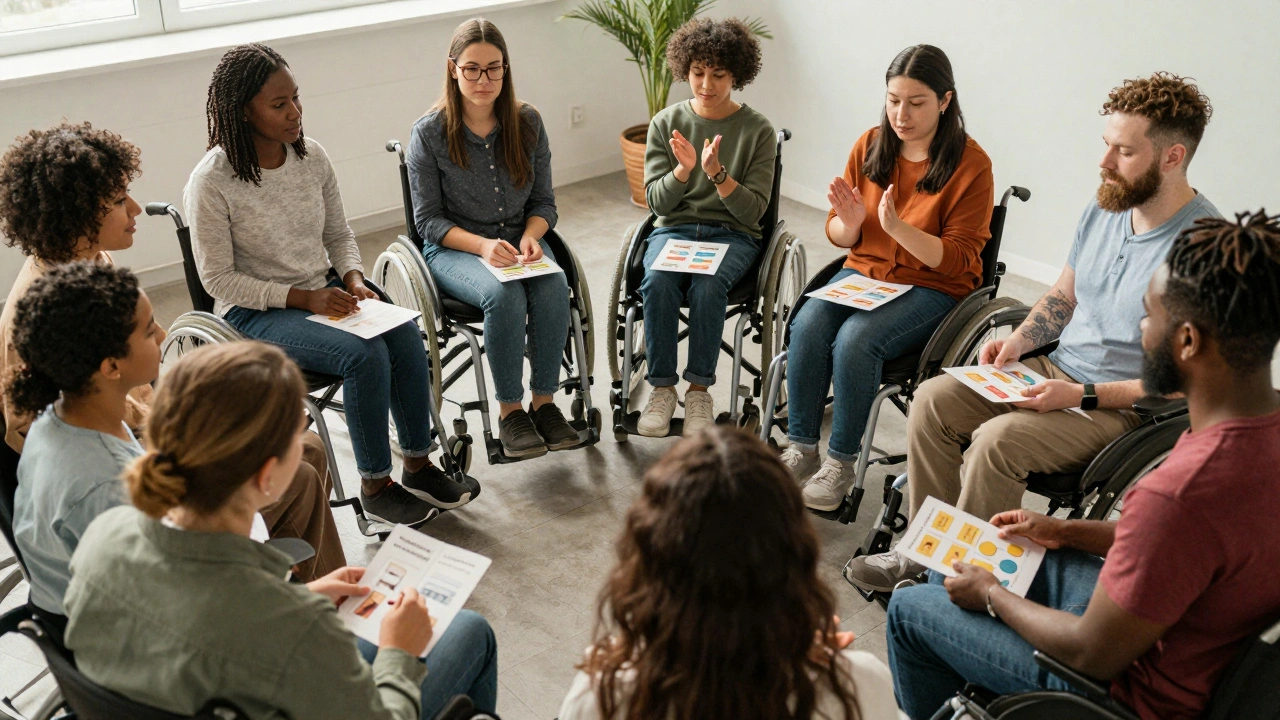
UN Disability Convention and the Right to Comprehensive Sex Education
Dec 12 2025 / Social PolicyThe UN Disability Convention guarantees people with disabilities the right to comprehensive sex education - yet most still receive none. This is how legal rights, real programs, and systemic change are making a difference.
VIEW MORE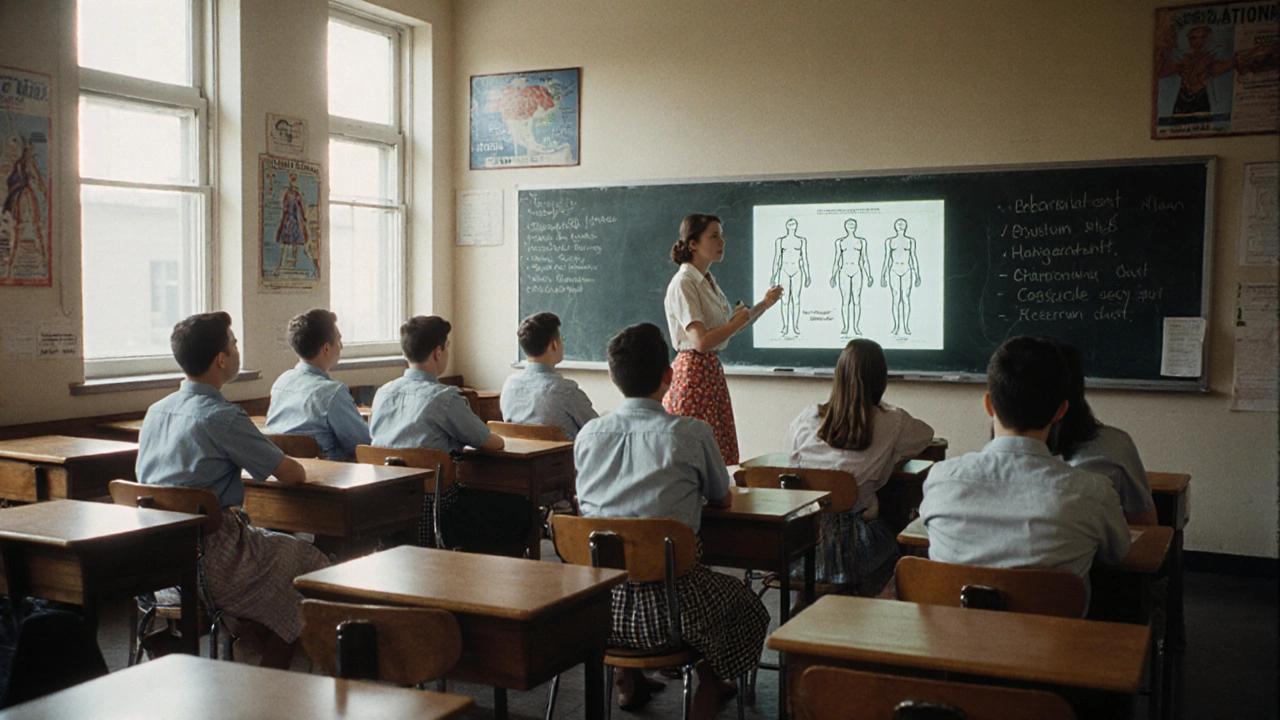
1950s Shift: How the AMA’s Sex Education Series Changed American Schools
Nov 30 2025 / History & CultureIn 1955, the American Medical Association launched the first nationwide sex education program in U.S. public schools. It taught facts, not fear-and reduced teen pregnancy and STDs. Its legacy still shapes how we teach sex education today.
VIEW MORE