Disability Inclusive Sex Education Calculator
Program Parameters
Key Impact Metrics
Confidence in Relationships
76%
Decision-Making Preparedness
82%
Reduction in Sexual Misunderstandings
47%
How This Works
Based on real data from UNCRPD implementation:
- Denmark's program ($620,000) 76% confidence in relationships
- Australia's program ($780,000) 82% decision-making preparedness
- Sweden's program 65% self-esteem improvement
When the United Nations adopted the Convention on the Rights of Persons with Disabilities in 2006, it didn’t just promise equal access to schools or jobs. It promised something deeper: the right to understand your own body, your relationships, and your choices - including the right to comprehensive sex education.
What the UN Disability Convention Actually Says
The UN Convention on the Rights of Persons with Disabilities (UNCRPD) doesn’t use the phrase "comprehensive sex education." But if you read between the lines, it’s there. Article 23(b) says people with disabilities have the right to "decide freely and responsibly on the number and spacing of their children" and to "have access to age-appropriate information, reproductive and family planning education." That’s not a side note. It’s a legal obligation. Article 25 goes further, guaranteeing the right to health services - including sexual and reproductive health. And Article 16 demands protection from abuse, violence, and exploitation. These aren’t abstract ideals. They’re direct responses to real harm. Studies show people with intellectual disabilities are 4 to 10 times more likely to experience sexual violence than others. Many of those cases happen because they were never taught what consent means, what healthy relationships look like, or how to say no. The Convention doesn’t treat disability as a medical problem. It sees it as a social one - the result of barriers, attitudes, and exclusion. That’s why access to sex education isn’t a "special accommodation." It’s a basic human right.Why Most People with Disabilities Are Left Behind
Despite the treaty’s clear language, the reality is harsh. A 2021 study found that 87% of students with intellectual disabilities received inadequate or no sex education. In the U.S., 78% of school districts offer no tailored programs for these students. In Europe, 63% of disability support staff say they’re too uncomfortable talking about sex. And 52% of educators still assume people with disabilities are asexual. These aren’t just gaps. They’re forms of control. When schools avoid the topic, they send a message: your body doesn’t matter. Your desires aren’t valid. Your autonomy isn’t worth protecting. One user with Down syndrome shared online: "My school taught me nothing about sex, but my group home staff took away my dating app because they said I couldn’t understand consent." That’s not protection. That’s punishment disguised as care.What Works: Real Programs That Deliver
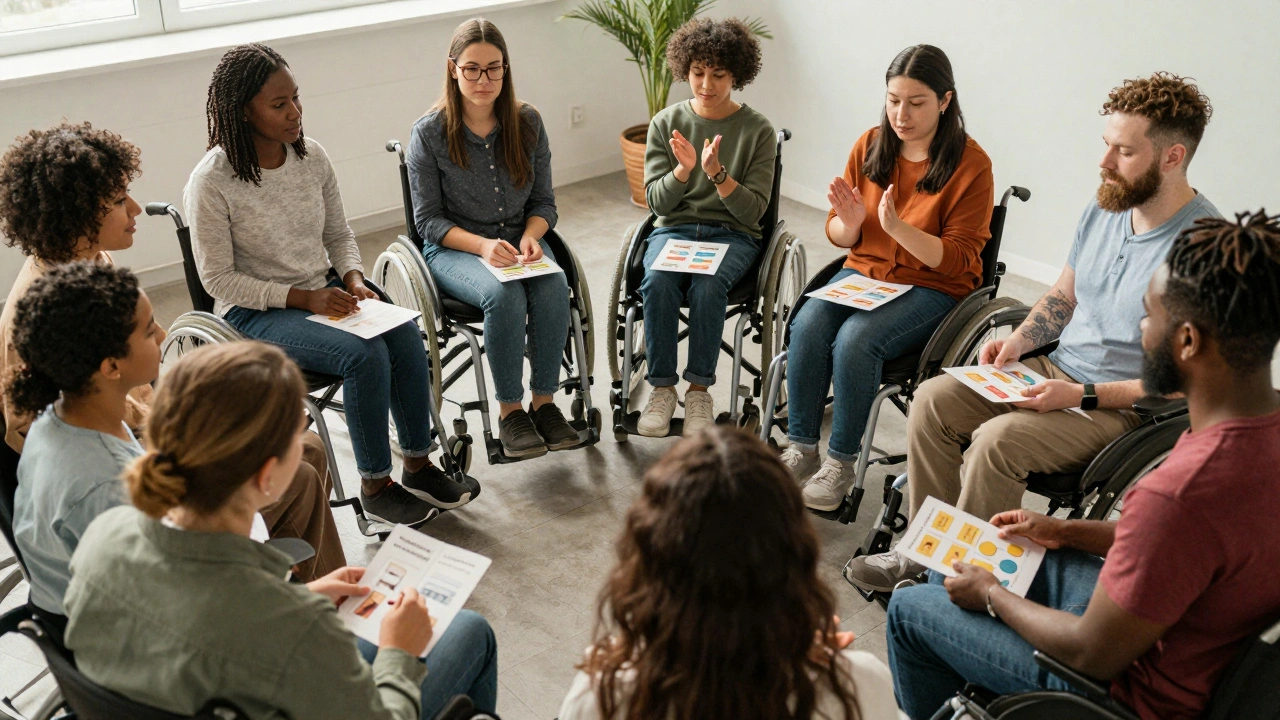
Some places are getting it right. In Denmark, the government spends $620,000 a year on a program called "Sexuality and Disability." They use Easy Read materials, videos, and role-playing. Over 76% of participants say they feel more confident in relationships. Sweden trains 92% of disability support staff on sexuality issues. The Netherlands goes further - they fund trained "sexuality coaches," including certified sex workers, to help people with disabilities explore intimacy safely. A 2022 evaluation found 65% of participants reported improved self-esteem. Australia’s Victoria state allocated $780,000 in 2021 for a 12-week program. Participants said 82% felt "more prepared to make decisions about relationships and sex." In the UK, a 10-module curriculum reduced sexual misunderstandings by 47% after six months of training. What do these programs have in common? They’re not watered down. They’re not fear-based. They’re built on consent, communication, and real-life skills - and they’re designed with input from people with disabilities themselves.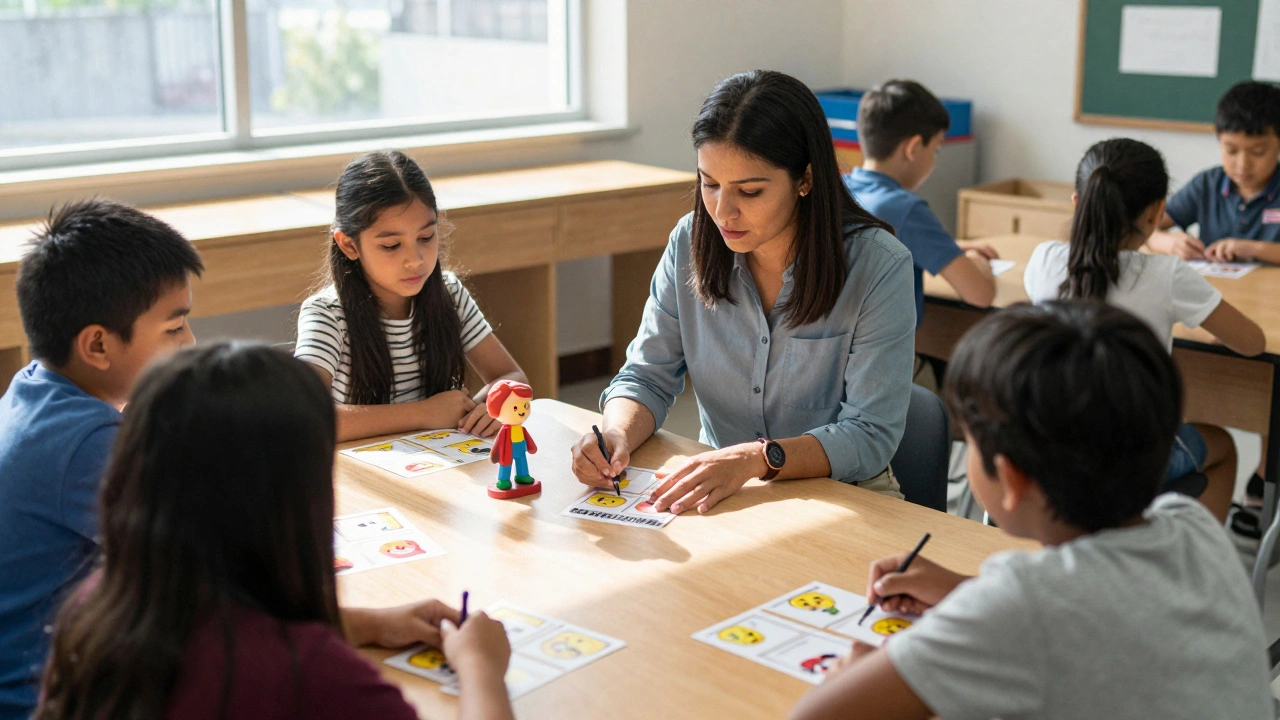
The Training Gap: Educators Aren’t Ready
The biggest obstacle isn’t money. It’s training. A 2022 study found disability support staff need an average of 80 hours of specialized training to teach sex education effectively - compared to just 30 hours for general programs. In Canada, 41% of educators admitted they felt unprepared. In the U.S., most teacher colleges don’t include disability-inclusive sex ed in their curriculum. That’s why many programs fail. Even when the intent is good, staff may use overly simplistic language that infantilizes. Or they focus only on "avoiding danger," never teaching about pleasure, desire, or mutual respect. As one expert warned: "Without proper training, well-intentioned programs can reinforce paternalism rather than promote autonomy."Legal Wins Are Starting to Happen
Change isn’t just coming from policy - it’s coming from courts. In 2022, Australia’s Federal Court ruled in DSO v. Department of Education that denying sex education to students with intellectual disabilities violates the Disability Discrimination Act. Judge Jennifer Hill wrote: "The right to make informed decisions about one’s body and relationships is fundamental to human dignity." Since 2015, Article 23 of the UNCRPD has been cited in 37 national court cases - 28 of them resulted in rulings favoring disability rights. The UN Committee on the Rights of Persons with Disabilities issued General Comment No. 7 in March 2023, explicitly stating that countries must provide "comprehensive, accessible sexuality education that respects autonomy and dignity." And in 2024, the UN is launching field tests for model curricula in 12 countries - a first-of-its-kind effort to standardize what good looks like.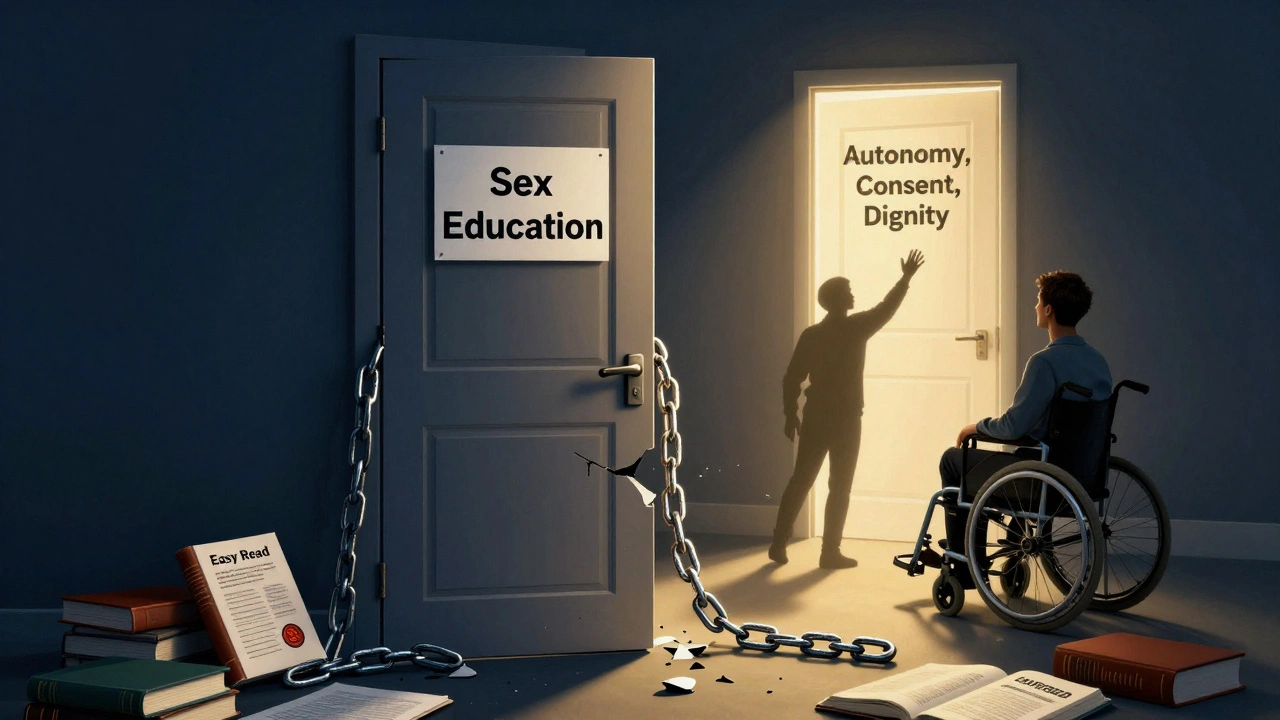
Barriers That Still Exist
Progress is real - but uneven. Only 22% of countries have sex education guidelines that specifically include disability. Just 15% of teacher training programs cover it. And in low-income countries, only 12% of special education settings offer any form of inclusive sex ed - compared to 68% in high-income ones. LGBTQ+ people with disabilities face even steeper odds. They’re 3.2 times less likely to receive education than their heterosexual peers with disabilities. Accessibility remains a huge issue. Too many materials are only in print or audio - leaving out people with visual, cognitive, or communication differences. Easy Read formats, pictorial guides, and video modeling are still rare. And attitudes? They’re the hardest to change. Many still believe people with disabilities are "too vulnerable" to learn about sex - or worse, that they don’t have sexual feelings at all.What Needs to Happen Next
The solution isn’t complicated. It’s just not being done.- **Mandate inclusive training** for all educators and support staff - at least 80 hours of certified, evidence-based instruction.
- **Require accessible formats** - Easy Read, sign language, audio descriptions, simplified text - as standard, not optional.
- **Involve people with disabilities** in designing, delivering, and evaluating programs. Nothing about us without us.
- **Fund it properly**. The Netherlands spends €2,500 per person annually. That’s not luxury - it’s what’s needed to prevent abuse and build dignity.
- **Update laws**. Only 32% of UNCRPD signatory countries have specific legislation on this. That has to change.