Dowry System: How Bride Prices Shaped Marriage, Power, and Gender Roles
When a family pays money or goods to marry off a daughter, they’re not just celebrating a union—they’re reinforcing a centuries-old system called the dowry system, a cultural practice where the bride’s family provides wealth or property to the groom’s family at marriage. Also known as bride price, it’s not just tradition—it’s a tool of control that ties a woman’s value to her family’s wealth. In many parts of the world, this system still dictates who gets married, when, and under what conditions. It’s not about love. It’s about economics, status, and power.
The dowry system, a cultural practice where the bride’s family provides wealth or property to the groom’s family at marriage. Also known as bride price, it’s not just tradition—it’s a tool of control that ties a woman’s value to her family’s wealth. is deeply tied to patriarchal structures, social systems where men hold primary power and dominate roles in political leadership, moral authority, and control of property. In places like India, Pakistan, and parts of Africa, a woman’s worth in marriage is measured by how much her family can give. If the dowry isn’t enough, she’s punished—sometimes with abuse, abandonment, or even death. This isn’t ancient history. It’s happening now. And it’s not just about money. It’s about who gets to decide what a woman is worth.
These practices didn’t appear out of nowhere. They grew from the same roots as gender roles, socially constructed expectations about how men and women should behave, dress, and contribute to family and society that separate men as providers and women as burdens. The Victorian separate spheres ideology, where women were confined to the home and men to the public world, still echoes in dowry cultures today. A woman isn’t seen as an equal partner—she’s a liability unless her family can pay to make her acceptable. And when families can’t pay? Girls are hidden, delayed, or worse. The dowry system doesn’t just affect marriages—it reshapes entire lives before they even begin.
What you’ll find below are articles that don’t just talk about history—they expose how power, silence, and control still shape intimacy, identity, and survival. From how female pleasure was medicalized to how LGBTQ+ identities were erased from records, these stories show the same patterns: bodies are regulated, voices are suppressed, and value is assigned by those in charge. The dowry system isn’t an outlier. It’s part of a much larger pattern—and understanding it means seeing the connections.
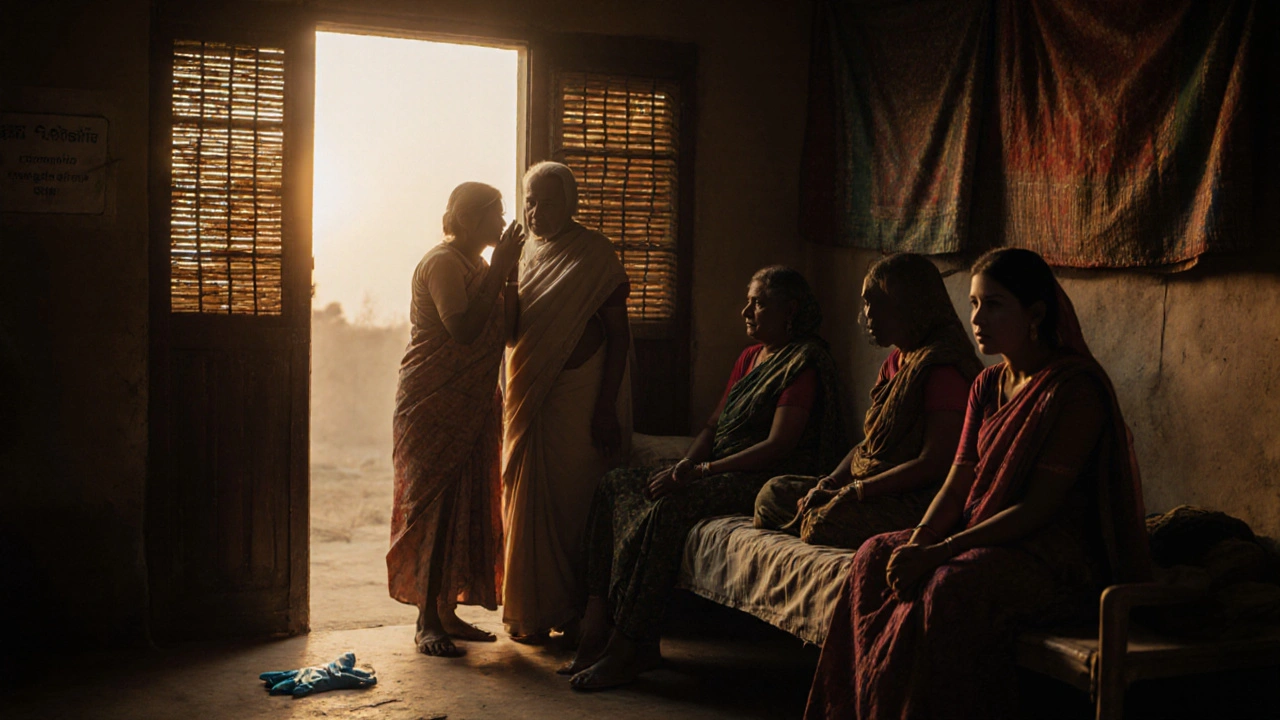
Female Virginity in India: How Honor, Economics, and Bride Price Shape Marriage Decisions
Oct 31 2025 / EconomicsFemale virginity in India is tied to family honor and marriage economics, influencing dowry, bride price, and social status. Despite being unscientific and illegal, virginity testing persists, especially in rural areas, while urban youth increasingly reject the norm.
VIEW MORE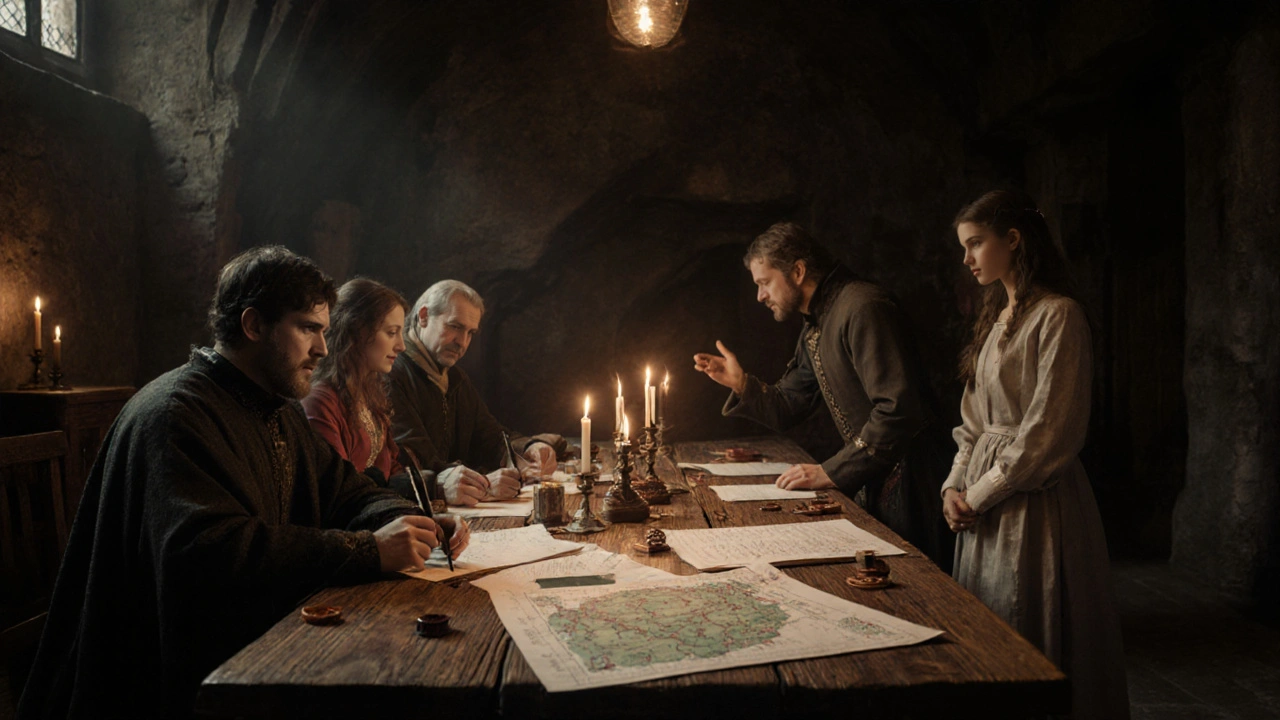
Marriage as Economic Alliance: How Medieval Families Used Unions to Build Wealth and Power
Oct 25 2025 / History & CultureMedieval marriages were economic contracts designed to transfer land, wealth, and power between families. Dowries and dowers ensured financial security, while alliances shaped politics. This system protected both men and women-and its legacy still shapes modern marriage laws.
VIEW MORE