HIV/AIDS History: From Panic to Progress and the People Who Changed It
When HIV/AIDS, a viral epidemic that began in the early 1980s and rapidly became a global crisis. Also known as the AIDS pandemic, it didn’t just spread through blood and sex—it spread fear, stigma, and silence across governments, hospitals, and communities. In the first years, people died alone because doctors didn’t know how to treat it, and many were abandoned by families who thought it was a punishment. Hospitals ran out of beds. Funerals became daily events. And the people most affected—gay men, intravenous drug users, sex workers, Black and Latino communities—were told they were asking for it.
Then came the antiretroviral therapy, a combination of drugs that suppresses HIV and stops it from destroying the immune system. Before this, an HIV diagnosis was a death sentence with a timeline of months, not years. But by the mid-1990s, new drugs like AZT and later combination therapies began to turn the tide. People who were wasting away started gaining weight, returning to work, even falling in love again. This moment—the Lazarus Effect, the sudden, dramatic recovery of people with advanced AIDS after starting treatment—wasn’t just medical. It was spiritual. It was political. It was the result of activists screaming in the streets, crashing FDA meetings, and forcing drug companies to lower prices or face boycotts.
The HIV/AIDS history isn’t just about science. It’s about who got left behind, who fought back, and how shame was replaced with solidarity. It’s about the nurses who held dying men’s hands when no one else would. The lesbians who organized blood drives for gay men. The mothers who lost children and turned grief into advocacy. It’s also about how access still isn’t equal—millions today can’t get the same meds that saved lives in the U.S. and Europe. The virus didn’t disappear. It just got quieter. And the lessons from this crisis still matter: when a disease targets the marginalized, justice isn’t optional—it’s the only cure.
Below, you’ll find articles that dig into the forgotten stories, the medical turning points, and the cultural shifts that changed how we see sex, illness, and survival. These aren’t just history lessons. They’re warnings. And reminders.
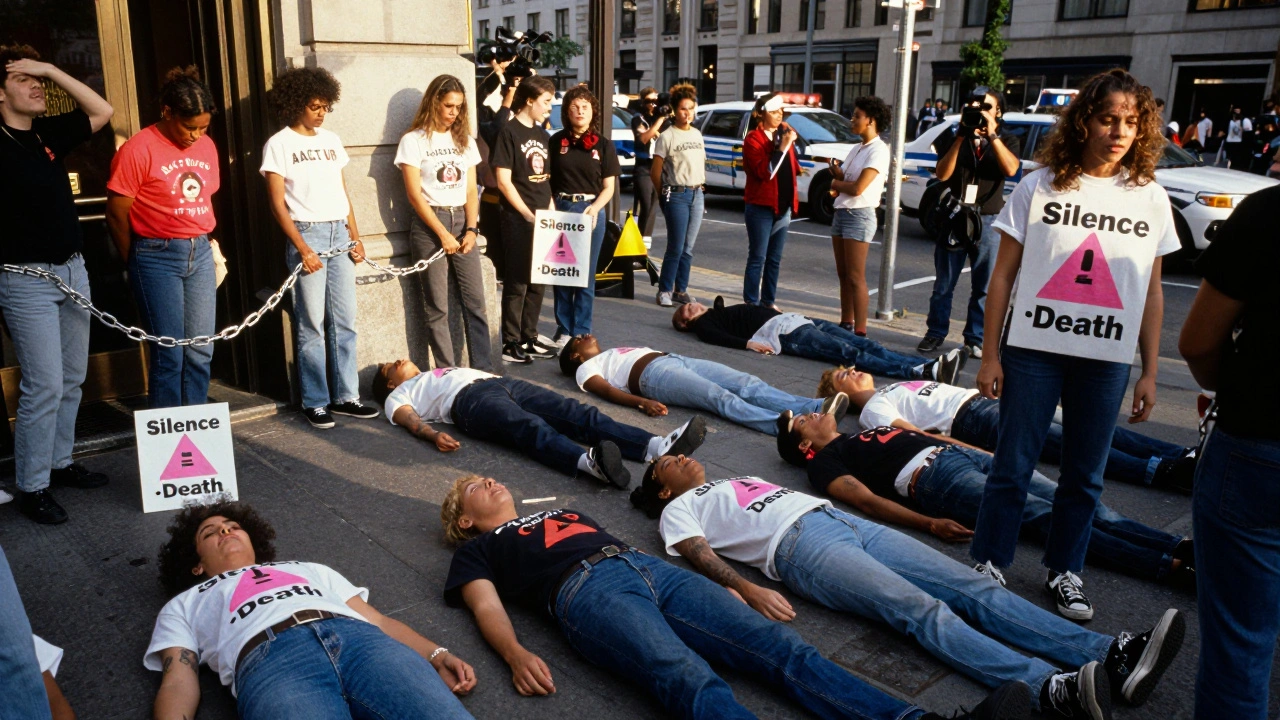
ACT UP: How Direct Action Changed the AIDS Crisis Forever
Dec 8 2025 / LGBTQ+ HistoryACT UP transformed the AIDS crisis through fearless direct action, forcing governments and drug companies to act. Their protests saved millions, changed medical policy, and redefined patient rights - all without waiting for permission.
VIEW MORE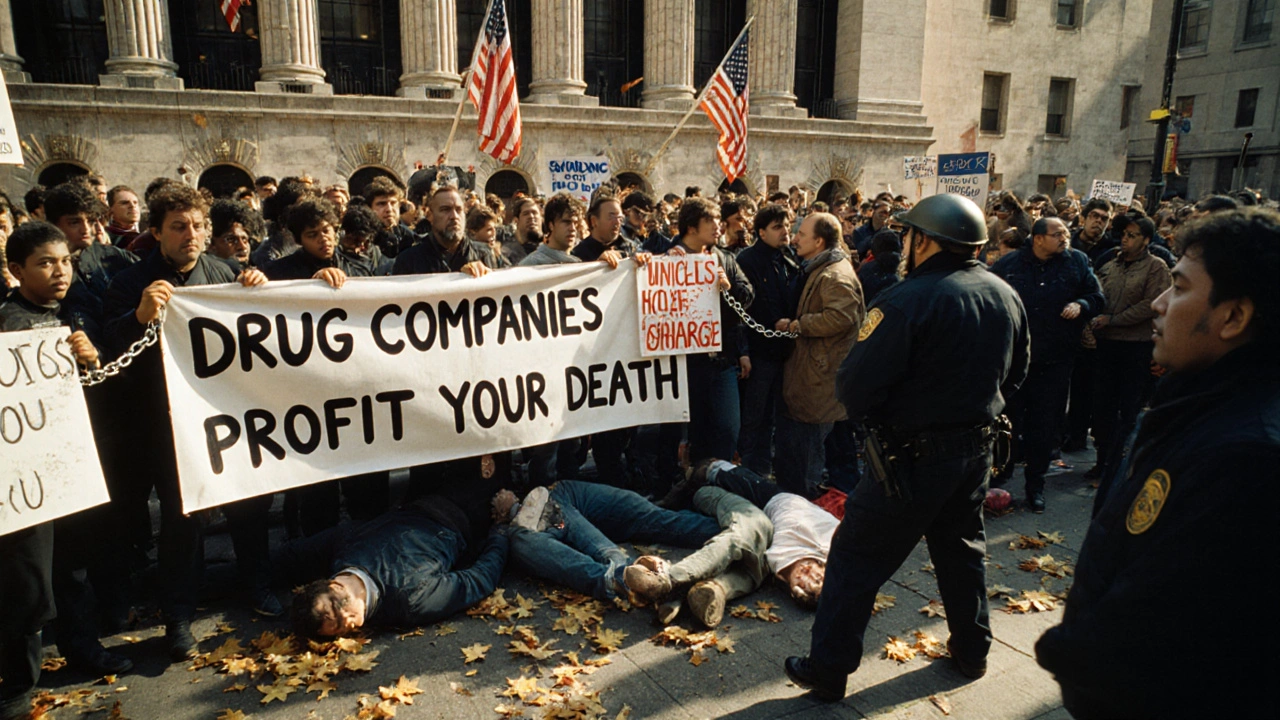
Civil Disobedience and AIDS: How Activists Forced Change in the Streets
Oct 31 2025 / Social PolicyACT UP used civil disobedience to force government and pharmaceutical companies to act during the AIDS crisis. Their protests lowered drug prices, changed medical research, and saved millions of lives.
VIEW MORE
Silence = Death: How a Simple Poster Ignited the AIDS Activist Movement
Oct 31 2025 / LGBTQ+ HistoryThe 'Silence = Death' poster, created in 1986 by a group of gay activists, became the defining symbol of the AIDS crisis. It turned grief into action, sparked ACT UP, and changed how movements fight for justice.
VIEW MORE