AIDS Activism & Identity Quiz
This interactive quiz explores the profound shift in LGBTQ+ identity caused by the AIDS crisis. From fragmented subcultures to unified political power, discover how activism built modern queer culture.
Question Text Here
Quiz Complete!
You scored:
0/5
Imagine waking up in 1985. The news reports a new, mysterious illness affecting gay men in New York and San Francisco. Doctors are baffled. Society is hostile. And the government? It’s largely silent. For many young queer people at that time, this wasn’t just a health crisis; it was an existential threat to their newly forming identities. Before AIDS became a global pandemic, being gay was often something you hid. But the epidemic changed everything. It forced a scattered community into a unified front, transforming how we understand LGBTQ+ identity formation today.
You might think of AIDS activism primarily through the lens of medical breakthroughs or political protests. But there’s a deeper story here about culture. How did a group of marginalized individuals, facing death and stigma, create a vibrant, resilient community that defined modern queer life? This isn't just history; it's the blueprint for how communities survive and thrive under pressure. Let’s look at how activism didn’t just save lives-it built us.
The Pre-Epidemic Landscape: Fragmented Identities
To understand the shift, you have to look at what came before. In the late 1970s, gay liberation movements had gained momentum, but LGBTQ+ identity was still fragmented. You had distinct subcultures: leathermen, drag queens, radical feminists, and closeted professionals who rarely interacted. There was no single "gay community" in the monolithic sense we recognize now. Most people identified by specific sexual practices or local networks rather than a broad political identity.
The arrival of HIV/AIDS shattered these silos. When the disease began killing friends, lovers, and neighbors regardless of their specific subculture, those boundaries dissolved. A leatherman in San Francisco and a college student in New York suddenly shared the same terror. This shared vulnerability became the glue. It forced people to ask: Who are we, if not just our desires? We are survivors. We are caregivers. We are activists.
ACT UP and the Politics of Visibility
No discussion of this era is complete without mentioning ACT UP (AIDS Coalition to Unleash Power). Founded in 1987 in New York City, ACT UP wasn’t just a protest group; it was a school for identity. Before ACT UP, many queer people were passive recipients of medical care. After, they became active participants in their own survival.
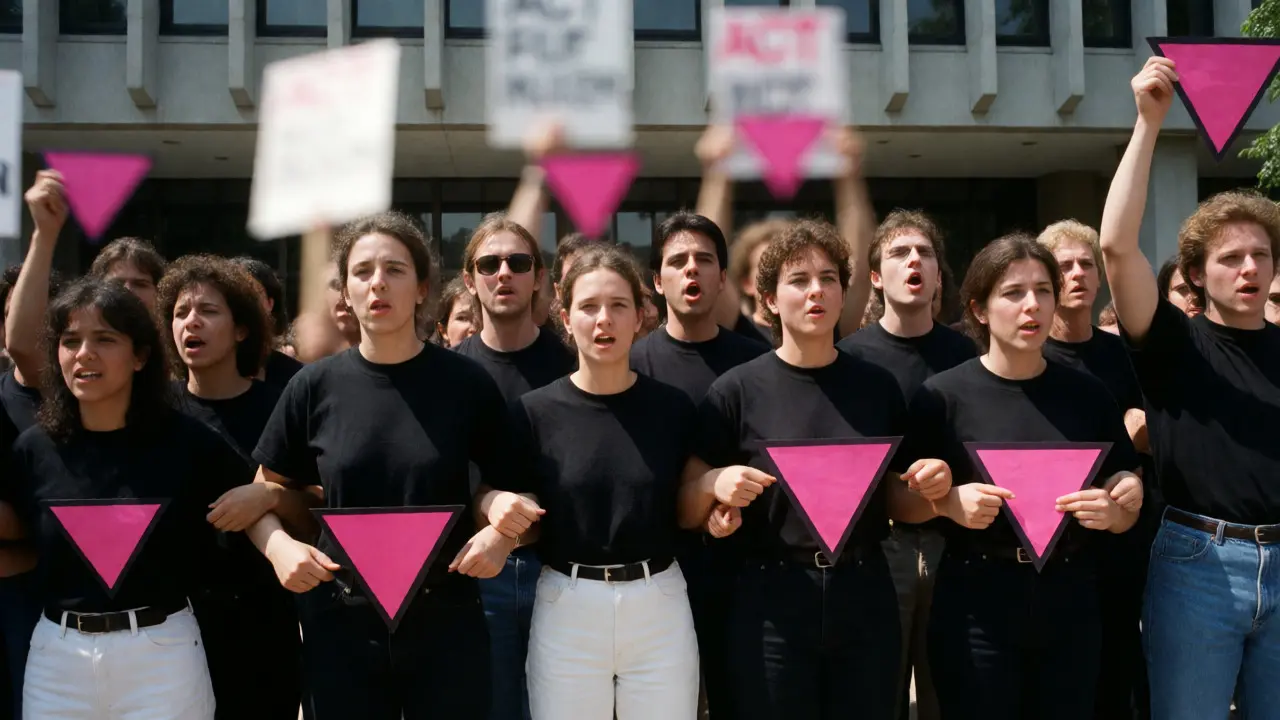
The group’s motto, "Silence = Death," wasn’t just a slogan. It was a psychological pivot. By demanding attention, ACT UP members learned to assert their worth in a society that wanted them invisible. This act of visibility reshaped personal identity. If you could stand in front of the FDA and demand answers, you weren’t just a victim; you were a citizen with rights. This empowerment spilled over into every aspect of life. People started coming out not just to family, but to employers, doctors, and politicians. The courage required for activism bled into daily existence, making openness a core tenet of LGBTQ+ identity.
| Aspect of Identity | Pre-Epidemic (Late 1970s) | Post-Activism (Early 1990s) |
|---|---|---|
| Primary Focus | Sexual freedom and pleasure | Survival, care, and political rights |
| Community Structure | Fragmented subgroups (leather, bar scene, etc.) | Unified coalition across races, classes, and genders |
| Relationship to Medicine | Passive patient role | Active participant in research and treatment |
| Public Stance | Often private or semi-public | Highly visible, confrontational, and proud |
Caregiving as Cultural Practice
While protests made headlines, much of the work happened in living rooms. With hospitals often refusing patients or treating them like lepers, the burden of care fell on friends and partners. This created a new cultural norm: chosen family. For many, the person holding your hand during chemo wasn’t a blood relative; it was your best friend from college or your ex-boyfriend.
This practice redefined kinship. Traditional definitions of family-based on biology and marriage-were insufficient. Queer people invented new structures of support. They organized meal trains, cleaned apartments, and managed medications. These acts weren’t just logistical; they were deeply emotional rituals. Caring for someone dying of AIDS taught a generation that love is an action, not just a feeling. This ethos of mutual aid remains central to LGBTQ+ culture today, seen in everything from mutual aid funds to trans support networks.
The Role of Art and Media in Shaping Narrative
Identity is also shaped by stories. During the height of the epidemic, mainstream media often portrayed people with AIDS as tragic figures or moral failures. Queer artists countered this narrative. Theater groups like Theater of the Oppressed and playwrights like Tony Kushner used art to process grief and anger.
Consider the impact of visual art. The pink triangle, once a Nazi symbol of persecution, was reclaimed by activists. Worn upside down with the slogan "Silence = Death," it transformed shame into pride. This act of semiotic rebellion is powerful. It tells the world: We take your insult and make it our badge of honor. Similarly, films like Philadelphia (1993) brought the human cost of the epidemic into mainstream living rooms, forcing heterosexual audiences to empathize with queer suffering. These cultural products didn’t just reflect identity; they constructed it, offering models of dignity and resilience.
Intersectionality and Broadening the Movement
It’s crucial to note that AIDS activism wasn’t a monolith. Early narratives often centered white, middle-class gay men. However, the epidemic disproportionately affected Black and Latino communities, women, and transgender people. Groups like Black ACT UP and organizations focused on women’s issues challenged the movement to address racism and sexism within its ranks.
This internal critique led to a more nuanced understanding of identity. Activists realized that you couldn’t fight AIDS without fighting poverty, housing insecurity, and systemic racism. This intersectional approach enriched LGBTQ+ identity formation. It moved the conversation beyond "who do I sleep with?" to "how do my race, class, and gender intersect with my sexuality?" Today’s emphasis on inclusive language and diverse representation in queer spaces owes a debt to these early struggles for recognition within the movement itself.
Legacy: From Crisis to Community
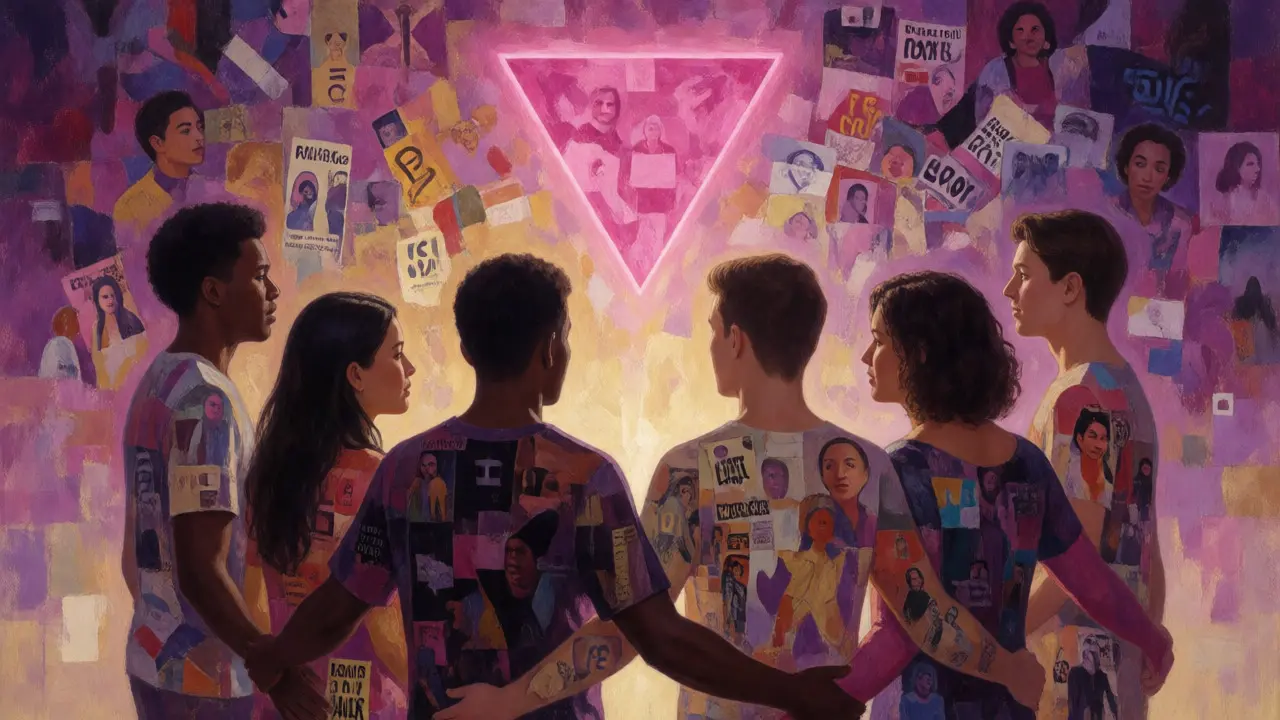
So, where does this leave us? The antiretroviral therapies introduced in the mid-1990s turned HIV from a death sentence into a manageable chronic condition. The immediate panic has subsided, but the cultural legacy remains. Modern LGBTQ+ identity is characterized by a strong sense of collective memory and advocacy. We see it in Pride parades that still carry protest signs, in the insistence on healthcare access as a right, and in the robust network of community centers worldwide.
The most profound shift is perhaps the normalization of vulnerability. By publicly mourning thousands of deaths and caring for the sick, the community broke the taboo around discussing illness and mortality. This openness allows contemporary queer people to navigate health challenges, including mental health, with less stigma. The trauma of the epidemic forged a community that knows how to hold space for pain while celebrating joy. That balance is the heart of modern queer culture.
Frequently Asked Questions
How did AIDS activism change the way LGBTQ+ people view themselves?
AIDS activism shifted LGBTQ+ identity from a focus on private sexual behavior to public political citizenship. By organizing against government inaction and pharmaceutical companies, individuals saw themselves as agents of change rather than passive victims. This fostered a sense of collective power and pride that persists in modern queer politics.
What is the significance of 'chosen family' in this context?
During the epidemic, many biological families rejected their gay children, leaving them without traditional support systems. Friends and partners stepped in to provide care, leading to the concept of 'chosen family.' This redefined kinship in LGBTQ+ culture, emphasizing emotional bonds and mutual aid over biological ties, a structure that remains vital today.
Did AIDS activism affect all parts of the LGBTQ+ community equally?
No, the experience varied significantly. While white, urban gay men often dominated early media narratives, Black, Latino, female, and transgender communities faced compounded stigmas. Organizations like Black ACT UP emerged to address these disparities, pushing the broader movement toward a more intersectional understanding of identity and health equity.
How did art influence LGBTQ+ identity during the AIDS crisis?
Art provided a platform to counteract stigmatizing media portrayals. Through theater, visual arts, and film, queer creators depicted complex, dignified representations of life and death. This helped solidify a shared cultural narrative, allowing individuals to see their experiences reflected and validated, which is crucial for healthy identity formation.
Is the legacy of AIDS activism still relevant today?
Absolutely. The infrastructure built during the crisis-community health clinics, advocacy groups, and mutual aid networks-continues to serve the LGBTQ+ population. Moreover, the activist tactics developed then, such as direct action and media engagement, are still used in fights for transgender rights and against ongoing stigma related to HIV status.