Intimate Device Privacy Risk Assessor
Assess Your Current Setup
Imagine waking up to find your smart vibrator syncing with a stranger’s phone. It sounds like a plot from a bad sci-fi movie, but for thousands of consumers, it has been a terrifying reality. As the market for app-connected sex toys is intimate devices that use Bluetooth or Wi-Fi to communicate with mobile applications for control, firmware updates, and data logging explodes, so do the risks. You are handing over the most intimate details of your life-when you climax, how long sessions last, and even your location-to third-party servers. The question isn't just about pleasure anymore; it is about who owns your private data and what happens when those locks break.
The Hidden Infrastructure of Intimacy
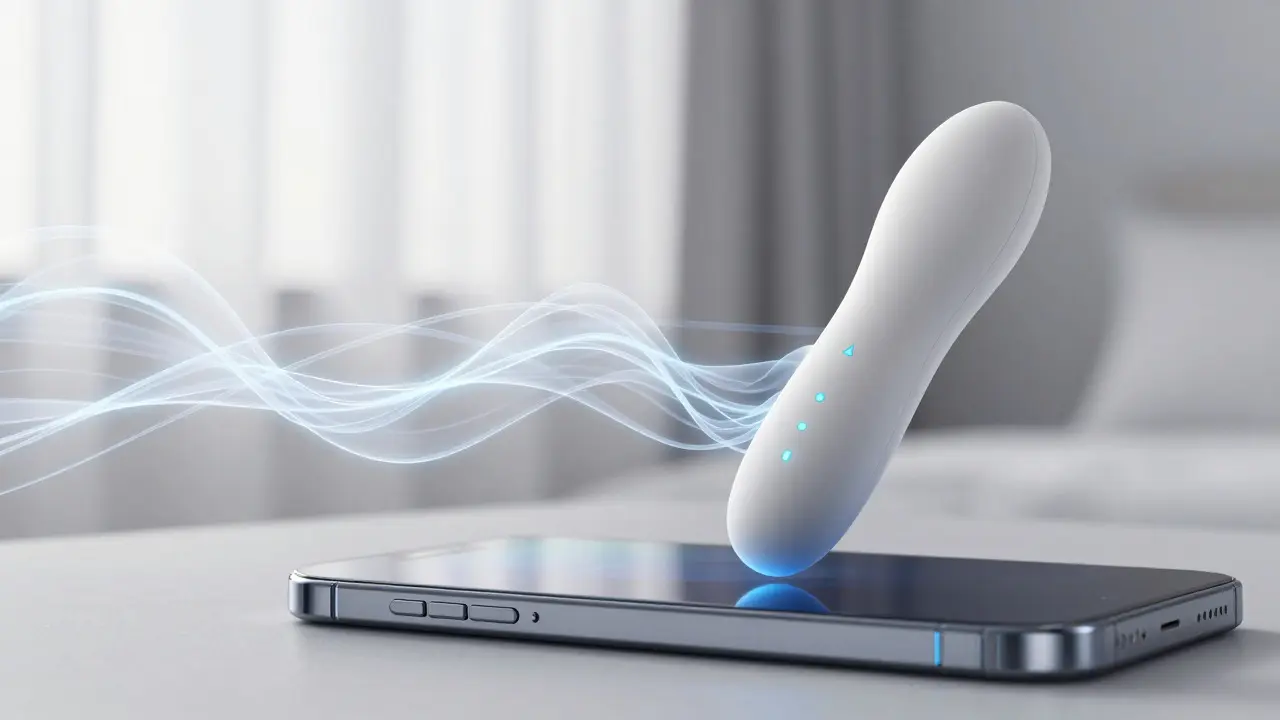
Most people assume their sex toy is a closed system. A battery, a motor, and maybe a remote. But modern smart toys operate more like miniature IoT (Internet of Things) hubs. They rely on Bluetooth Low Energy is a wireless technology standard designed for short-range communication with low power consumption for local control and often use Wi-Fi or cloud services for features like firmware updates, multi-user sync, or analytics. This architecture creates a massive attack surface. When a device connects to the internet, it becomes vulnerable to the same threats as your laptop or smart fridge, except the consequences feel more personal.
The data flow is rarely transparent. Typically, raw sensor data (vibration intensity, duration, timestamp) is encrypted locally, sent to a manufacturer's server, and then processed. Some companies store this data indefinitely for "product improvement." Others sell anonymized aggregates to advertisers. The problem arises when "anonymized" doesn't mean "anonymous." If a dataset includes timestamps and unique user IDs, re-identification is surprisingly easy, especially if cross-referenced with other public data sources.
When Servers Go Down: Real-World Failures
You don't need a hacker to lose your privacy; you just need a company to go out of business or neglect its security patches. In recent years, several high-profile incidents have shaken consumer trust. One notable case involved a major wellness brand whose app was hacked in 2019, exposing email addresses and purchase histories. While not every record contained explicit session logs, the mere fact that users were tracked by a "wellness" app raised eyebrows. More recently, smaller startups have shut down, leaving orphaned apps that no longer receive security updates. These zombie apps continue to collect data via background processes, creating silent leaks where data is sent to dead servers that may be acquired by competitors or left unprotected.
These failures highlight a critical gap: unlike financial data protected by strict banking regulations, sexual health data often falls into legal gray areas. Until recently, there was no federal law in the United States specifically mandating how companies handle data from connected intimate devices. This regulatory vacuum allowed manufacturers to write their own privacy policies, often buried in terms of service agreements that few users actually read.
The Legal Landscape: From Void to Protection
The legal tide is turning, driven by a mix of state-level legislation and federal oversight. The California Consumer Privacy Act (CCPA) and its successor, the California Privacy Rights Act (CPRA), gave consumers the right to know what data was collected and demand deletion. However, these laws didn't explicitly target sex toys until regulators started applying them broadly. Then came the game-changer: the U.S. Department of Justice's enforcement actions against companies that failed to protect consumer data, signaling that sexual privacy is a legitimate legal interest.
In Europe, the General Data Protection Regulation (GDPR) has always offered stronger protections. Under GDPR, data related to sexual orientation or reproductive health is considered "special category data," requiring explicit consent for processing. This means European manufacturers must implement stricter encryption and provide clearer opt-in mechanisms. For American consumers, the path is slower but accelerating. Several states, including New York and Washington, have passed laws specifically addressing connected device security, requiring manufacturers to notify users of breaches within specific timeframes.
| Region/Law | Data Classification | Consent Requirement | Breach Notification Window |
|---|---|---|---|
| U.S. (Federal - FTC) | General Consumer Data | Implied (via ToS) | Varies by State (30-60 days) |
| U.S. (California CCPA/CPRA) | Personal Information | Opt-out for Sale | 45 Days |
| EU (GDPR) | Special Category (Sexual Health) | Explicit Opt-in | 72 Hours |

The Consent Gap: Do You Really Know What You're Signing?
Here is the uncomfortable truth: most users give "blanket consent" without understanding the scope. When you download an app, you tap "Agree" to a 40-page document. Does it say your vibration patterns will be used to train AI models? Probably not in plain English. Does it mention that your data might be shared with a third-party analytics firm in another country? Often, yes, but in a footnote.
True informed consent requires transparency. Manufacturers should break down data usage into simple categories:
- Device Control: Necessary for the toy to work (e.g., sending commands to vibrate).
- Firmware Updates: Necessary for security and new features.
- Analytics: Optional, used to understand usage trends. Should be opt-in.
- Marketing: Used to send ads or promotions. Should be clearly separable.
Security Best Practices for Consumers
While waiting for perfect laws, you can take immediate steps to secure your intimate data. Think of your sex toy like a bank account: strong passwords, two-factor authentication, and regular audits.
- Enable Two-Factor Authentication (2FA): If the app supports it, turn it on immediately. This prevents hackers from accessing your account even if they steal your password.
- Use Unique Passwords: Never reuse your email or social media passwords for your toy app. If one site gets breached, your intimate data shouldn't be next.
- Check the Privacy Policy Annually: Companies change their terms. Re-read the policy once a year to see if they've added new data partners.
- Update Firmware Promptly: Security patches fix vulnerabilities. Don't ignore update notifications.
- Consider Offline Modes: Many modern toys have a physical button mode that bypasses the app entirely. Use this when you want zero digital footprint.
The Future: Decentralization and Local Processing
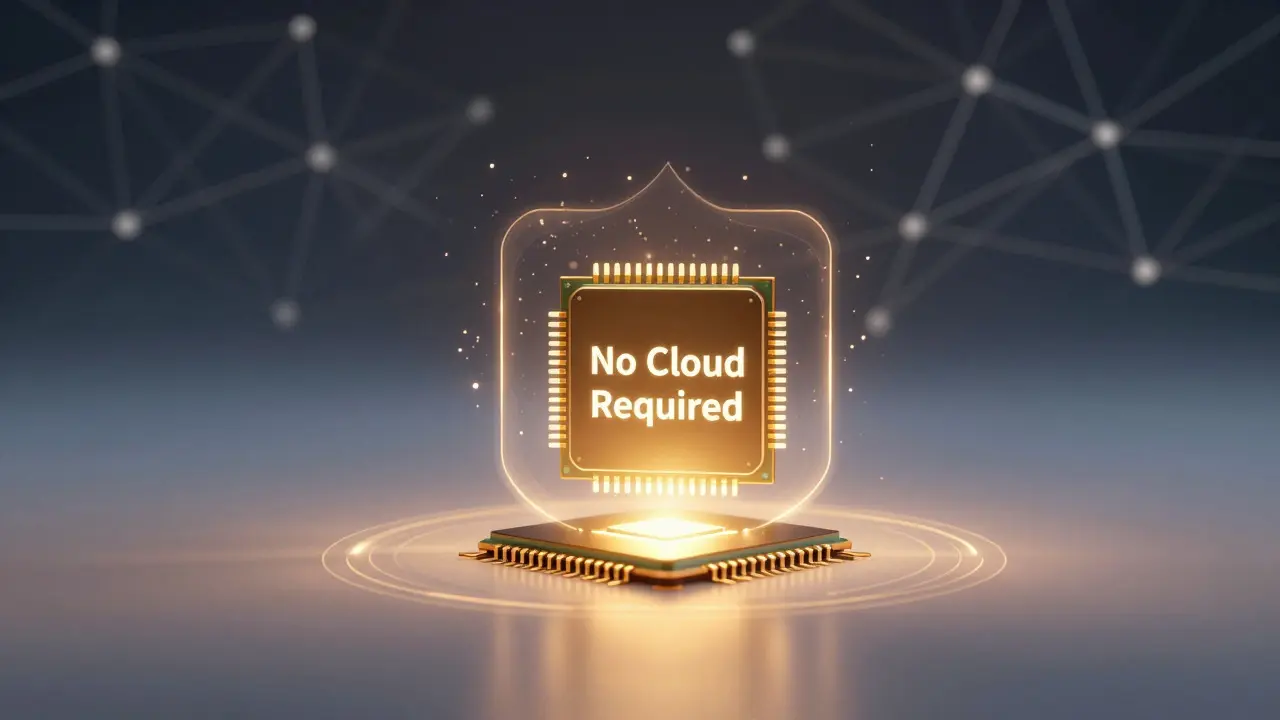
The industry is moving toward a safer model: local processing. Instead of sending data to the cloud, newer devices process signals directly on the chip inside the toy. This means your vibration history never leaves your bedroom unless you explicitly choose to back it up. This shift is driven by both privacy concerns and technological advancements in edge computing. Chips are getting cheaper and more powerful, allowing complex logic to run offline. Expect future generations of smart toys to advertise "No Cloud Required" as a premium feature, similar to how "Offline Mode" became standard for music streaming apps.
Additionally, blockchain-based identity solutions are being explored to allow users to verify their age or consent without revealing their actual name or address. This could solve the paradox of needing to prove you are an adult without creating a central database of minors' or adults' sexual habits.
FAQ
Are app-connected sex toys safe from hackers?
No device is 100% safe, but risk can be minimized. Choose brands with a history of timely security patches, enable two-factor authentication, and avoid using default passwords. Local-only devices (no Wi-Fi) carry significantly lower risk than cloud-connected ones.
What happens to my data if the company goes bankrupt?
It depends on the merger/acquisition terms. Often, data assets are sold along with the company. Check the privacy policy for clauses regarding corporate changes. Ideally, look for companies that promise data deletion upon shutdown, though enforcement is rare.
Do I need to worry about my partner seeing my usage history?
Only if you share your app login credentials. Most apps do not sync automatically across devices unless you log in on multiple phones. Keep your password unique and consider using a separate email address for the app to maintain total separation from your primary accounts.
Is my sexual data protected by HIPAA in the US?
Generally, no. HIPAA applies to healthcare providers and insurers, not consumer electronics companies. Unless you buy the toy through a covered medical provider, your data is governed by general consumer protection laws like the CCPA or FTC guidelines, which offer less specific protection for sexual health data.
How can I delete my data completely?
Log into the app and look for a "Delete Account" option. This usually triggers a deletion request. Follow up with a written request to their privacy officer if the app lacks this feature. Under GDPR (for EU users) or CCPA (for CA residents), companies are legally required to confirm deletion within 45 days.