Reproductive Healthcare Cost Calculator
Cost Calculator
Hyde Amendment Impact: The 1976 Hyde Amendment bans federal Medicaid funding for abortions except in cases of rape, incest, or life endangerment. For low-income women, this means they must cover the entire cost out-of-pocket, creating significant barriers to access.
Before the 1960s, a woman’s body was not her own. If she wanted to use birth control, she could be arrested. If she needed an abortion, she risked her life. If she spoke openly about sex, she was called immoral. Then came second-wave feminism - and everything changed.
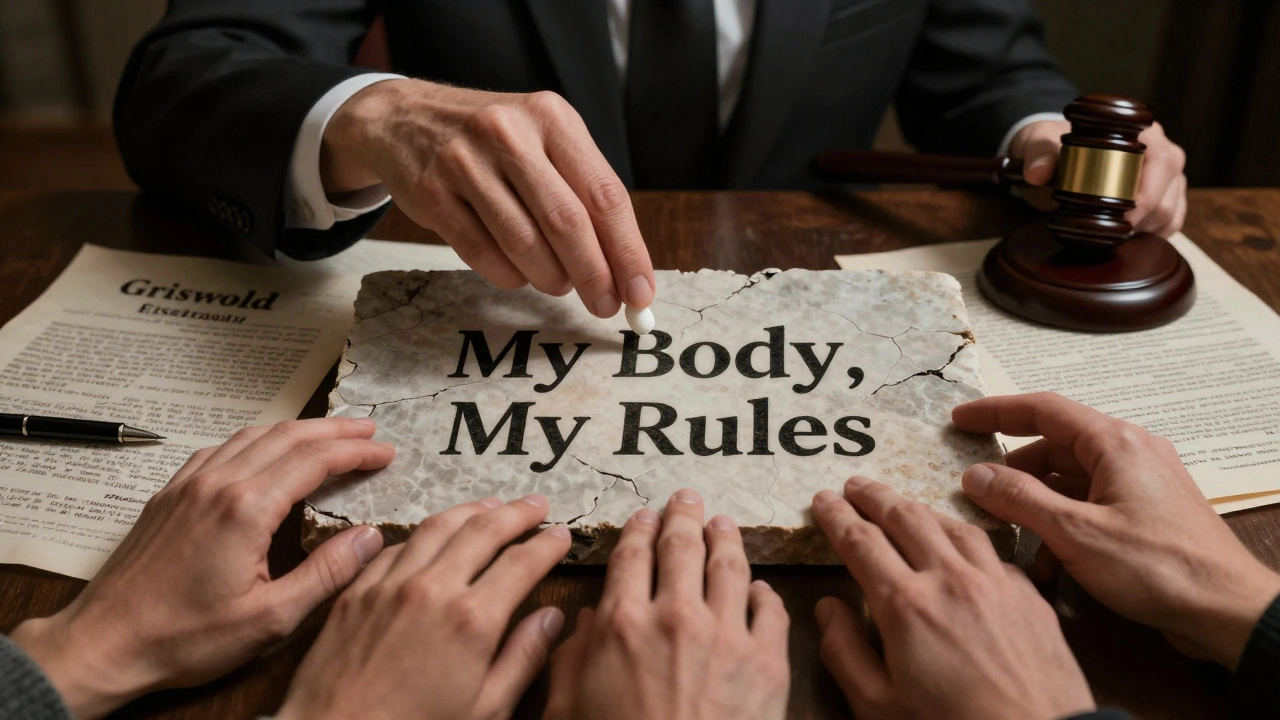
When Women Said: "My Body, My Rules"
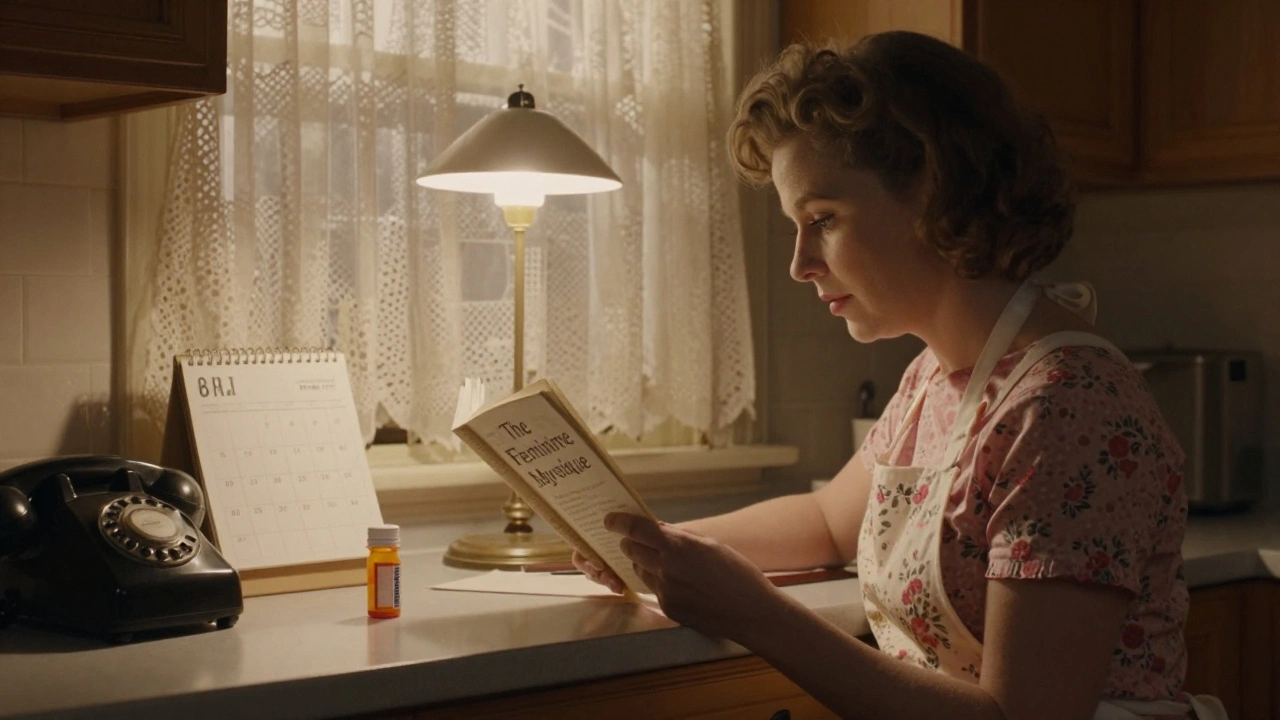
In 1960, the FDA approved the first birth control pill, Enovid. It wasn’t just a medical breakthrough - it was a revolution. For the first time in history, women could control when - or if - they got pregnant. No longer tied to the biological clock of marriage or motherhood, women could go to college, start careers, travel, and make choices about their lives without the constant fear of unintended pregnancy. This wasn’t a gift from men in power. It was won by women who organized, protested, and wrote. Betty Friedan’s 1963 book The Feminine Mystique didn’t just describe dissatisfaction - it named it. Women in suburbs across America read it and realized: they weren’t crazy. The system was broken. And they were ready to fix it. The legal victories followed fast. In 1965, the Supreme Court ruled in Griswold v. Connecticut that married couples had a constitutional right to use contraception. By 1972, Eisenstadt v. Baird extended that right to unmarried people. And in 1973, Roe v. Wade made abortion legal nationwide. These weren’t just court decisions - they were declarations that women’s bodies were not public property.The Clinic That Changed Everything
While lawyers fought in courtrooms, women were building something more personal: clinics. In Boston, a group of women gathered in living rooms to share what they’d learned about their own bodies. They didn’t trust doctors - many of whom dismissed them or lied to them. So they wrote Our Bodies, Ourselves. By 1984, over three million copies had been sold. It wasn’t a textbook. It was a lifeline. These women didn’t wait for permission. They taught each other how to do self-exams. They created support networks for women seeking abortions. They trained laypeople to perform Pap smears. They turned healthcare into a community project. For the first time, women weren’t passive patients - they were experts on their own health. Title X of the Public Health Service Act, passed in 1970, gave federal funding to family planning services. By 1975, it was spending $142 million a year. That money helped millions of women get access to contraception. But here’s the truth: it didn’t help everyone equally.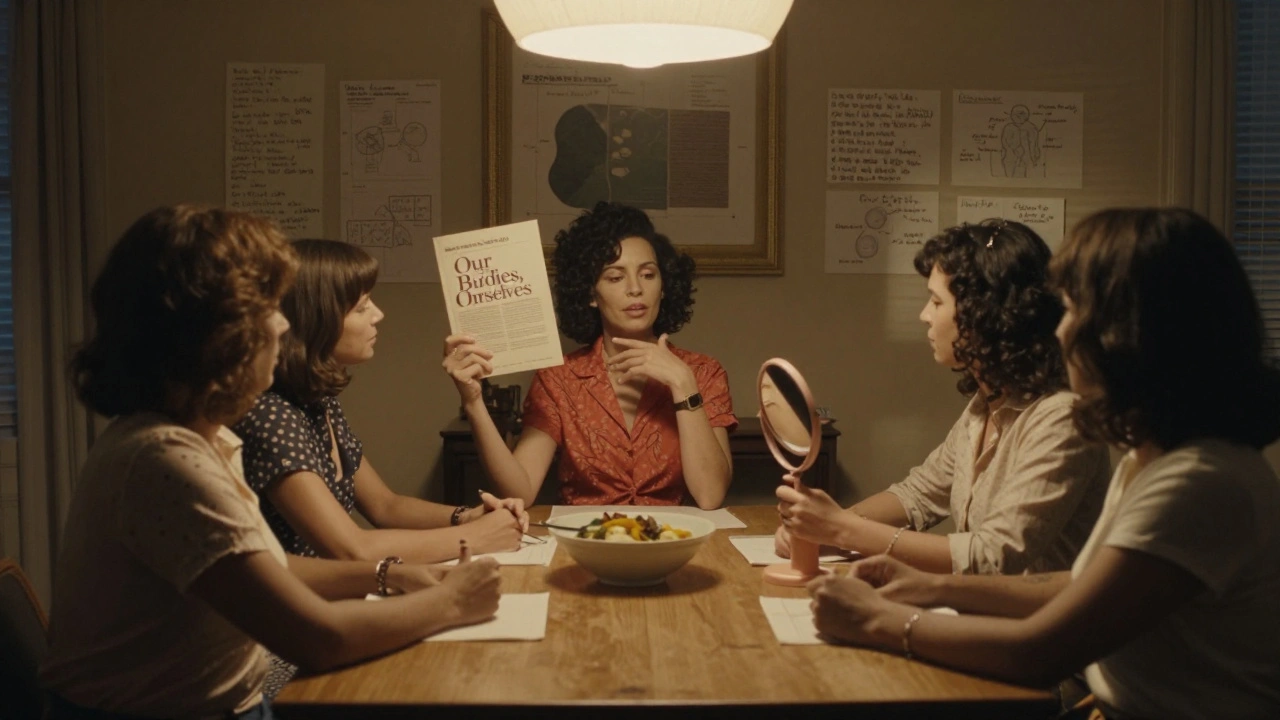
The Blind Spot in the Movement
The story of second-wave feminism is often told as a white, middle-class story. And that’s not the whole truth. While white women were fighting for the pill, Black women were being sterilized without consent. In the 1970s, the federal government funded coercive sterilization programs targeting poor women of color - especially in the South. Dorothy Roberts, in Killing the Black Body, documented how hospitals pressured Black women into tubal ligations after childbirth. Some were told it was reversible. Others were told they’d die if they didn’t agree. Meanwhile, Latina women in California were being given experimental contraceptives without proper consent. Indigenous women were being told they were "too poor" to raise children - and then sterilized. The feminist movement didn’t ignore these issues - but many of its leaders did. Bell hooks called it out early: "Feminism as led by white women has failed to address the specific ways race and class impact women’s relationship to reproductive rights." The movement fought for legal rights, but not always for real access. The Hyde Amendment of 1976 made that gap worse. It banned federal Medicaid funding for abortions - except in cases of rape, incest, or life endangerment. That meant if you were poor, you could have the right to an abortion - but not the money to get one. Three out of ten American women relied on Medicaid. For them, Roe v. Wade was a promise written in invisible ink.Sex, Power, and the Split in Feminism
By the late 1970s, the movement was tearing itself apart. One side said: pornography is violence against women. The other said: banning it is censorship, and women have the right to sexual pleasure. This was the feminist sex wars - and it wasn’t just about sex. It was about who got to define feminism. Anti-pornography feminists like Andrea Dworkin and Catharine MacKinnon argued that male-dominated pornography reinforced rape culture. Sex-positive feminists like Betty Dodson and Susie Bright said women should be free to explore their sexuality without shame - even if it meant enjoying porn, BDSM, or sex work. The divide wasn’t academic. It played out in bookstores, conferences, and even women’s shelters. One side feared exploitation. The other feared control. Both were right - and both were limited. What got lost was the middle ground: that women could be both sexually liberated and safe from abuse. That pleasure and power aren’t opposites. That autonomy means the right to say yes - and the right to say no - without judgment.