Humoral Diagnostic Simulator
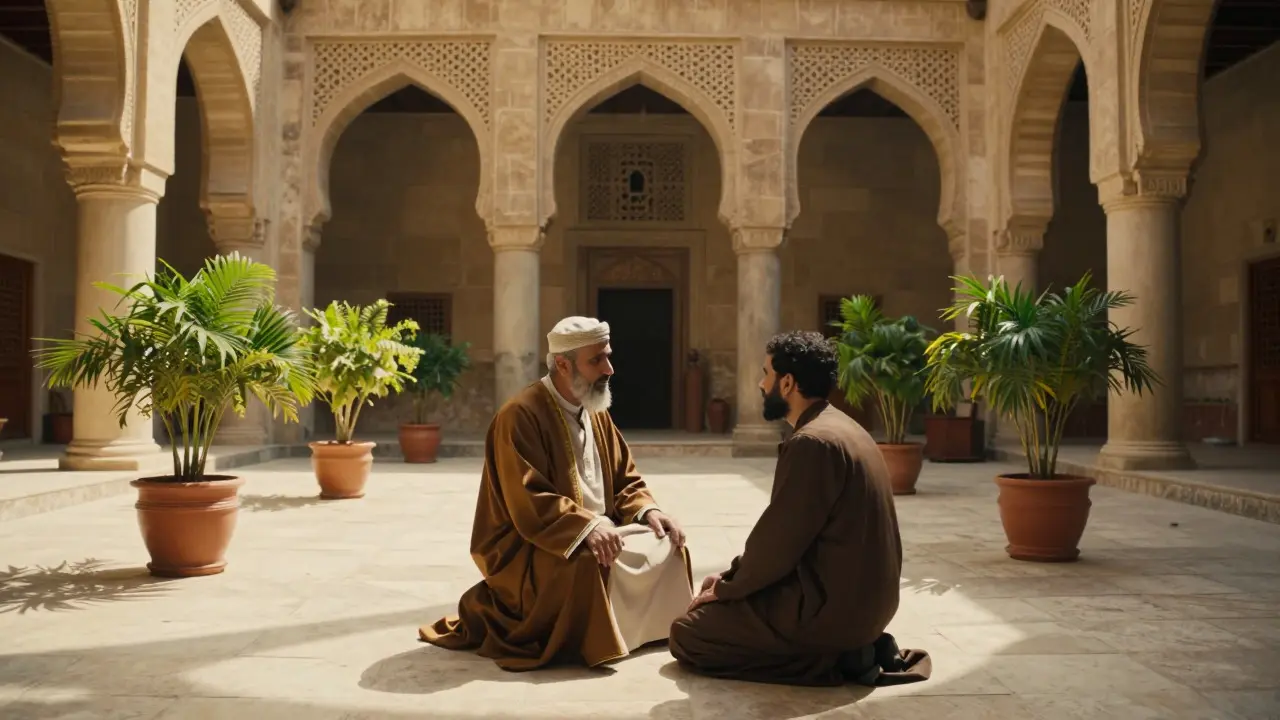
Step into the hospital of Baghdad. Select the signs a patient presents with, then run the diagnostic to see how a physician would identify the imbalance and treat it.
Your diagnosis will appear here.
When you think of ancient medicine, you probably picture Greek temples or Egyptian tombs. But if you want to understand how the world learned to diagnose complex physical issues like sexual disorders, you have to look at the hospitals of Baghdad and Cairo in the 9th and 10th centuries. This wasn't just about treating infections; it was about observing human behavior, psychology, and physiology with a precision that wouldn't be matched in Europe for another five hundred years.
The central figures here are not just doctors, but systematic observers. They moved away from purely theoretical humoral balances and started looking at actual patient symptoms. For them, a lack of libido or an inability to perform was not a moral failing, but a clinical sign pointing to specific imbalances in the body's heat, moisture, or nervous system. Let’s look at how these physicians turned vague complaints into concrete diagnoses.
Rhazes: The Pioneer of Clinical Observation
Rhazes (Abu Bakr al-Razi) is often called the father of pediatrics, but his work on adult physiology was equally groundbreaking. Living in the late 9th and early 10th centuries, Rhazes operated in a time when medical theory was dominated by Galen. However, Rhazes was skeptical. He believed that theory without observation was useless. In his major works, such as the Habashiya and Doubts, he argued that a physician must watch the patient’s urine, sweat, and even their emotional state to determine the root cause of an ailment.
For sexual dysfunction, Rhazes introduced a crucial distinction: he separated organic causes from psychological ones. Before him, many conditions were lumped together under general "weakness." Rhazes noted that some men suffered from impotence due to coldness in the lower abdomen, while others suffered from premature ejaculation due to excessive heat in the seminal vesicles. This was a massive leap. It meant that the treatment had to be different for each person. If the problem was "cold," you needed warming spices and oils. If it was "hot," you needed cooling herbs and rest. This personalized approach is the foundation of modern urology and andrology.
Ibn Sina and the Systematization of Symptoms
While Rhazes laid the groundwork, it was Ibn Sina (Avicenna) who codified these observations into a comprehensive system. His masterpiece, the Canon of Medicine, became the standard textbook in both the Islamic world and Europe for centuries. Ibn Sina didn't just list symptoms; he created a logical framework for diagnosing them.
In the sections dealing with diseases of the genitalia, Ibn Sina detailed specific signs for various conditions. He described how to distinguish between true impotence and temporary inhibition caused by fear or anxiety. He also addressed female sexual health, which was largely ignored in contemporary European texts. He noted that women could suffer from dryness of the vagina, loss of desire, or painful intercourse, and he linked these issues to the same humoral imbalances he used for men. This gender-inclusive approach was rare and shows a sophisticated understanding of anatomy.
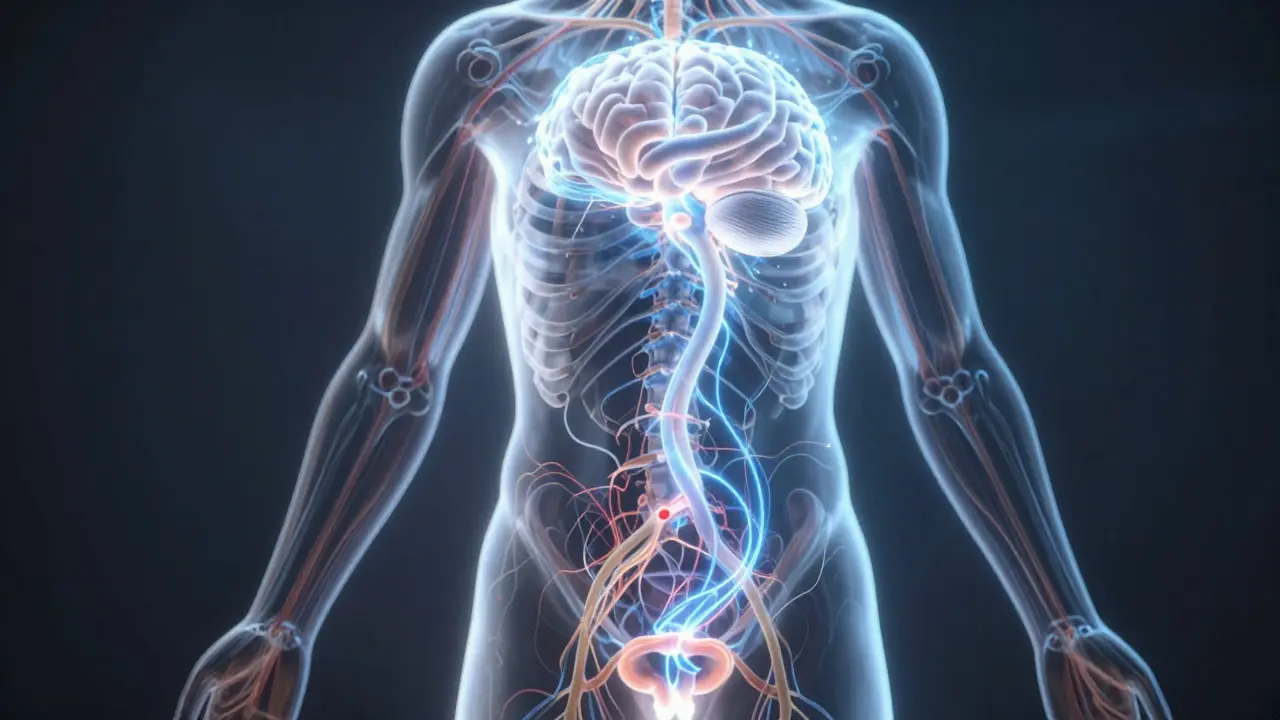
Ibn Sina also emphasized the role of the "vital spirit" flowing through the nerves. He believed that sexual function depended on the strength of this spirit moving from the brain to the genitals. If the spirit was weak, the result was lethargy or failure of erection. This concept connects directly to our modern understanding of neurogenic erectile dysfunction. By linking the mind (brain) to the body (genitals), Ibn Sina anticipated the psychosomatic aspects of sexual health by nearly a millennium.
Al-Hawi and the Importance of Case Studies
We can’t talk about clinical observation without mentioning Al-Hawi (The Comprehensive Book). This massive encyclopedic work by Rhazes contains hundreds of case histories. Unlike other medical texts that gave general advice, Al-Hawi recorded specific patients. He wrote about a man who couldn’t achieve an erection after a fever, or a woman who experienced pain during intimacy after childbirth. These records allow us to see exactly how these physicians thought in real-time.
In one notable entry, Rhazes describes a patient suffering from what we would now call chronic prostatitis. The patient had pain in the perineum and difficulty urinating. Rhazes diagnosed it as an accumulation of thickened mucus in the prostate gland. His treatment involved diuretics to flush the system and local applications to reduce inflammation. This is remarkably similar to modern conservative treatments for benign prostatic hyperplasia (BPH). The fact that he identified the location of the blockage (the prostate) shows a level of anatomical knowledge that went beyond surface-level symptom checking.
Diagnosis Through Urine and Pulse
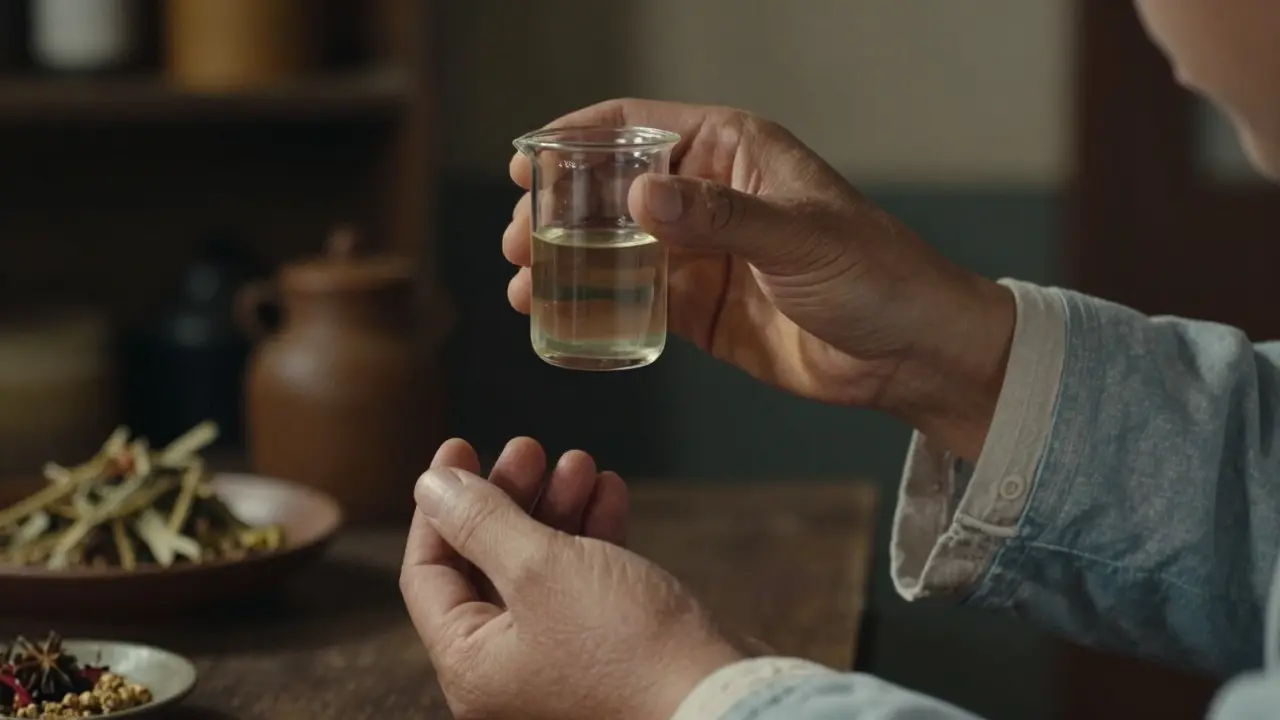
You might wonder how they diagnosed internal issues without microscopes or X-rays. The answer lies in two primary tools: uroscopy (examining urine) and pulse reading. These weren't magic tricks; they were highly developed diagnostic skills passed down through generations.
| Indicator | Observation | Possible Diagnosis | Recommended Treatment |
|---|---|---|---|
| Urine Color | Pale, watery | Coldness / Weakness of kidneys | Astringents, warming diet |
| Urine Sediment | Thick, yellow sediment | Excess bile / Heat in bladder | Cooling herbs, hydration |
| Pulse Quality | Weak, slow | Deficiency of vital spirit | Tonics, exercise, sleep hygiene |
| Skin Temperature | Cold extremities | Circulatory issues / Cold temperament | Bloodletting (cautious), warming baths |
For example, if a patient complained of low libido, the physician would examine the urine. If it was pale and clear, it indicated a "cold" constitution, meaning the body lacked the heat necessary for sexual vigor. If the urine was dark and had a strong smell, it suggested excess heat, which could lead to rapid ejaculation or inflammation. By combining this with the pulse-checking its speed, strength, and rhythm-they could pinpoint whether the issue was systemic (whole body) or local (specific organ).
Treatments: Beyond Herbs
Once diagnosed, the treatment plan was multi-faceted. It wasn't just about handing the patient a pill. It involved lifestyle changes, dietary adjustments, and sometimes physical procedures.
- Dietary Therapy: Foods were classified by their thermal properties. Warming foods like honey, dates, and certain nuts were prescribed for cold constitutions. Cooling foods like melons and cucumbers were recommended for hot constitutions.
- Lifestyle Modification: Rest, sleep schedules, and even the timing of sexual activity were adjusted. Overwork was seen as a drain on the vital spirit, so rest was often the first prescription.
- Topical Applications: Oils and poultices made from herbs like myrrh, saffron, and cinnamon were applied to the lower abdomen and genitals to stimulate blood flow and warmth.
- Psychological Support: Physicians often spent time talking to patients. Anxiety and depression were recognized as causes of dysfunction. Reassurance and counseling were part of the standard care.
This holistic approach recognizes that sexual health is not isolated from the rest of the body. A man with poor digestion or chronic stress would likely experience sexual difficulties, and treating only the genitals would fail. You have to treat the whole person.
Legacy and Modern Parallels
So, why does this matter today? Because the principles established by Rhazes and Ibn Sina are still relevant. Modern medicine still distinguishes between organic and psychogenic causes of sexual dysfunction. We still use lifestyle modifications (diet, exercise, stress management) as first-line treatments. And we still recognize that urinary symptoms can indicate underlying prostate or kidney issues.
The main difference is technology. We have blood tests, hormone panels, and MRI scans. But the core logic remains: observe the patient, identify the imbalance, and restore harmony. The Islamic physicians didn't have lab results, but they had sharp eyes and a deep respect for the complexity of the human body. Their work reminds us that good medicine is not just about high-tech equipment; it's about careful observation and empathy.
Frequently Asked Questions
Did Islamic physicians treat women for sexual disorders?
Yes, particularly in the works of Ibn Sina and later physicians like Ibn al-Nafis. Conditions such as vaginal dryness, dyspareunia (painful intercourse), and loss of libido were documented and treated using similar humoral principles as for men, though access to care varied by social status and region.
What was the main difference between Rhazes' and Ibn Sina's approaches?
Rhazes focused more on empirical observation and case-by-case analysis, often challenging existing theories. Ibn Sina focused on systematizing knowledge, creating a unified theoretical framework that integrated anatomy, physiology, and pathology into a coherent whole.
How did they diagnose impotence without modern tools?
They relied on a combination of patient history, physical examination (pulse, skin temperature), and uroscopy (urine analysis). They looked for signs of coldness, heat, weakness, or excess in the body's humors to determine the underlying cause.
Were sexual disorders considered moral failures in Islamic medicine?
Generally, no. While religious context existed, the medical profession treated sexual dysfunction as a physiological issue. The focus was on restoring bodily balance rather than assigning moral blame, although social stigma could still affect a patient's willingness to seek help.
What role did diet play in treating sexual health?
Diet was central. Foods were categorized by their thermal and moist qualities. Warming foods increased sexual vigor in cold constitutions, while cooling foods reduced inflammation and excessive heat in hot constitutions. Dietary changes were often the first step in treatment.