Reproduction Strategy Simulator
Asexual: Fast growth, low cost, but vulnerable if one clone fails.
Sexual: Slower growth, higher cost, but diverse offspring survive threats better.
Asexual Population
Sexual Population
Imagine a world where every organism is an exact copy of the one before it. No variation, no surprises, just endless clones. This is the reality for many species that rely on asexual reproduction is a mode of reproduction where offspring are genetically identical to the parent without the fusion of gametes. It’s fast, efficient, and requires only one individual. But then there’s sexual reproduction, which mixes genetic material from two parents to create unique offspring. It’s slower, more energy-intensive, and often messier. So why did sex evolve if cloning seems so much easier? The answer lies in how life adapts to a world that never stops changing.
The Speed Advantage of Cloning
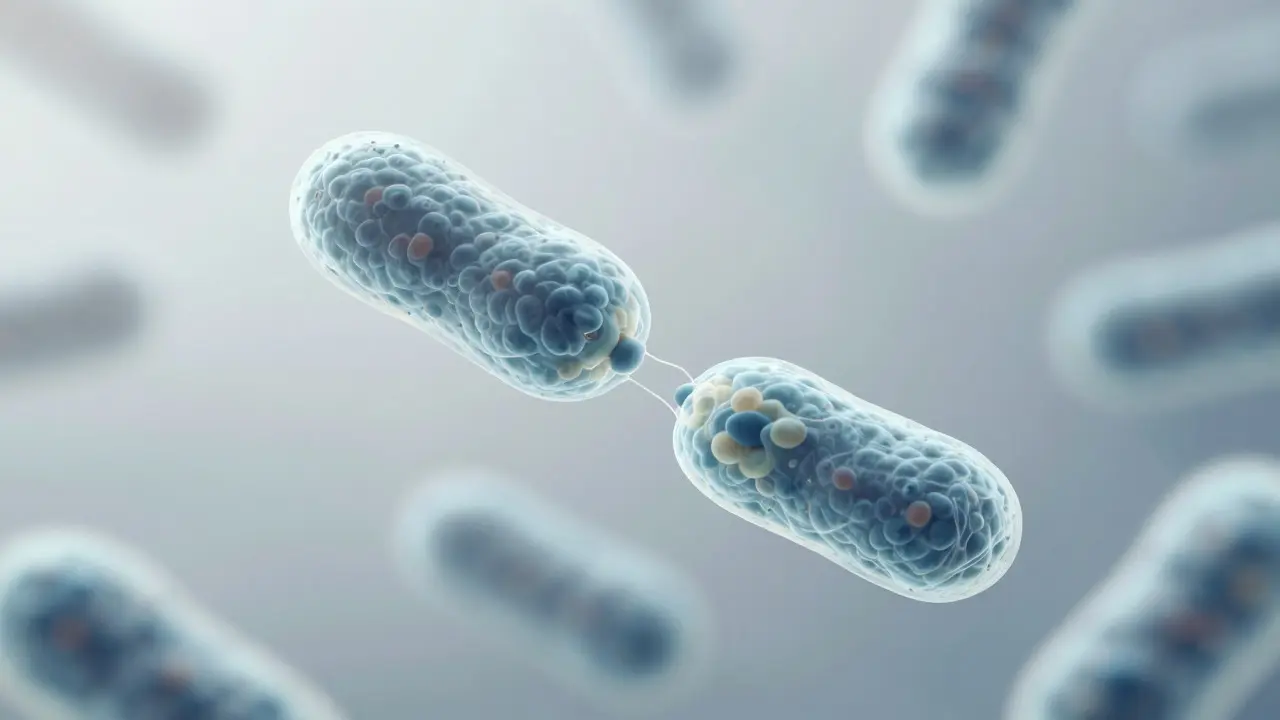
In stable environments, asexual reproduction is a powerhouse. Consider bacteria, which can double their population in as little as 20 minutes through binary fission. If conditions are perfect-plenty of food, ideal temperature, no predators-speed is everything. Every single offspring has a chance to survive because they are all well-adapted to the current environment. There’s no "bad luck" involved in mixing genes; you’re just making more of what works.
This strategy is known as the "twofold cost of sex." In sexual populations, only half the individuals (females) typically produce offspring directly, while males spend energy competing for mates. In asexual populations, every individual produces offspring. For organisms like yeast or certain types of lizards (such as whiptails), this efficiency allows them to colonize new areas rapidly. If you’re a bacterium in a nutrient-rich broth, being a clone is the ultimate competitive edge.
The Power of Genetic Variation
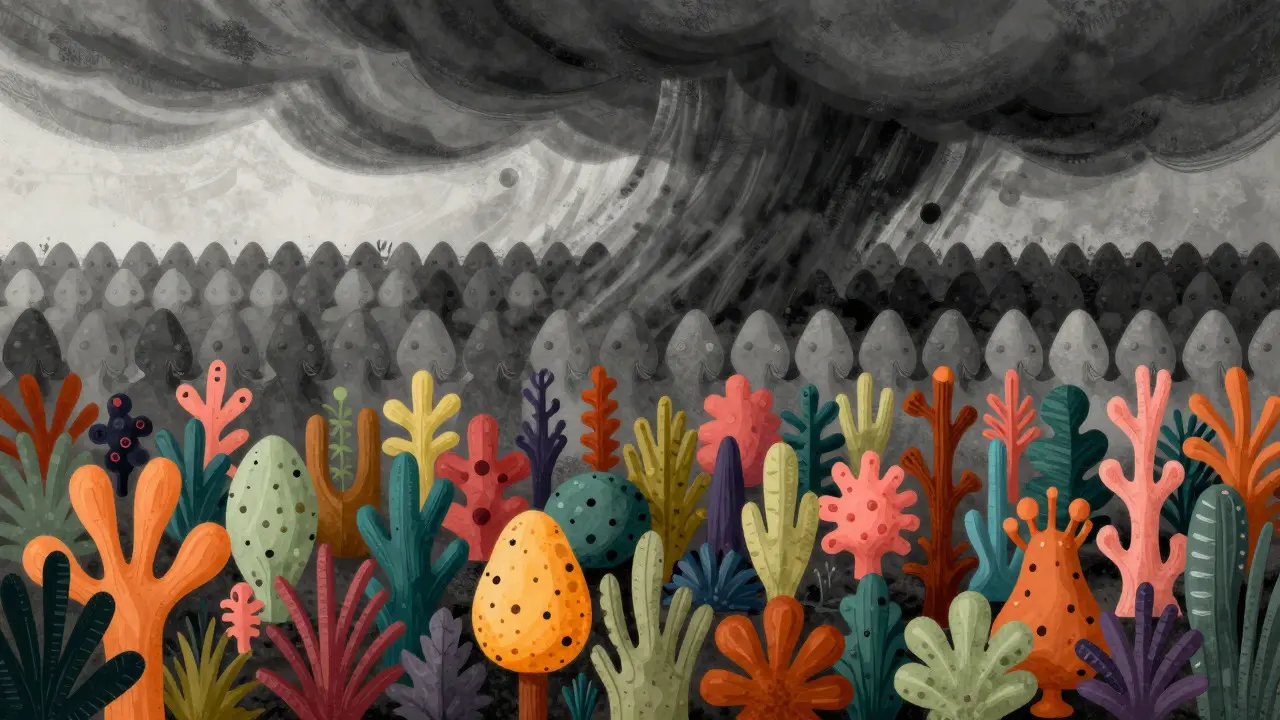
But stability is rare in nature. Predators evolve. Diseases mutate. Climates shift. This is where sexual reproduction shines. By shuffling genetic cards, sexual reproduction creates genetic diversity within a population. This diversity acts as a biological insurance policy. If a new virus strikes, some individuals may have a random mutation that makes them resistant. In an asexual population, if one individual is vulnerable, all of them are. One pathogen can wipe out an entire lineage instantly.
Take the case of malaria and human evolution. The sickle-cell trait, which causes red blood cells to change shape, offers protection against malaria. This is a classic example of balancing selection driven by sexual recombination. Without the mixing of genes, beneficial traits might not spread efficiently, and harmful combinations could persist. Sexual reproduction allows natural selection to act on a wider range of possibilities, ensuring that at least some members of the species are equipped to handle new threats.
When Does Each Strategy Win?
It’s not always black and white. Many organisms switch between strategies depending on conditions. parthenogenesis is a form of asexual reproduction common in insects like aphids and bees. During warm, resource-rich seasons, aphids reproduce asexually to explode in numbers. When winter approaches and resources dwindle, they switch to sexual reproduction to produce hardy eggs that can survive the cold. This flexibility maximizes both speed and survival.
Here’s a quick comparison of when each method tends to dominate:
| Feature | Asexual Reproduction | Sexual Reproduction |
|---|---|---|
| Genetic Outcome | Clones (identical) | Unique offspring (recombined) |
| Speed | Fast (no mate needed) | Slower (mate finding/courtship) |
| Energy Cost | Low | High (gamete production, mating rituals) |
| Best Environment | Stable, predictable | Changing, unpredictable |
| Risk | Vulnerability to specific pathogens | Loss of good gene combinations |
The Red Queen Hypothesis
Why does sex persist despite its high cost? Biologists often point to the Red Queen Hypothesis, named after the character in Lewis Carroll’s Alice Through the Looking-Glass who says, "It takes all the running you can do, to keep in the same place." In co-evolutionary arms races, hosts must constantly evolve to escape parasites, and parasites must evolve to catch hosts. Sexual reproduction provides the raw material for this endless chase. Asexual lineages often go extinct over long timescales because they can’t keep up with evolving enemies.
However, asexuals aren’t doomed. Some, like bdelloid rotifers, have survived for millions of years without sex. They do this by acquiring DNA from other species horizontally-a process called horizontal gene transfer. It’s a hack, but it shows that if you can get new genes another way, you might not need traditional sex. Yet, for most complex multicellular life, recombining your own genome remains the most reliable engine for adaptation.
Practical Implications for Conservation and Agriculture
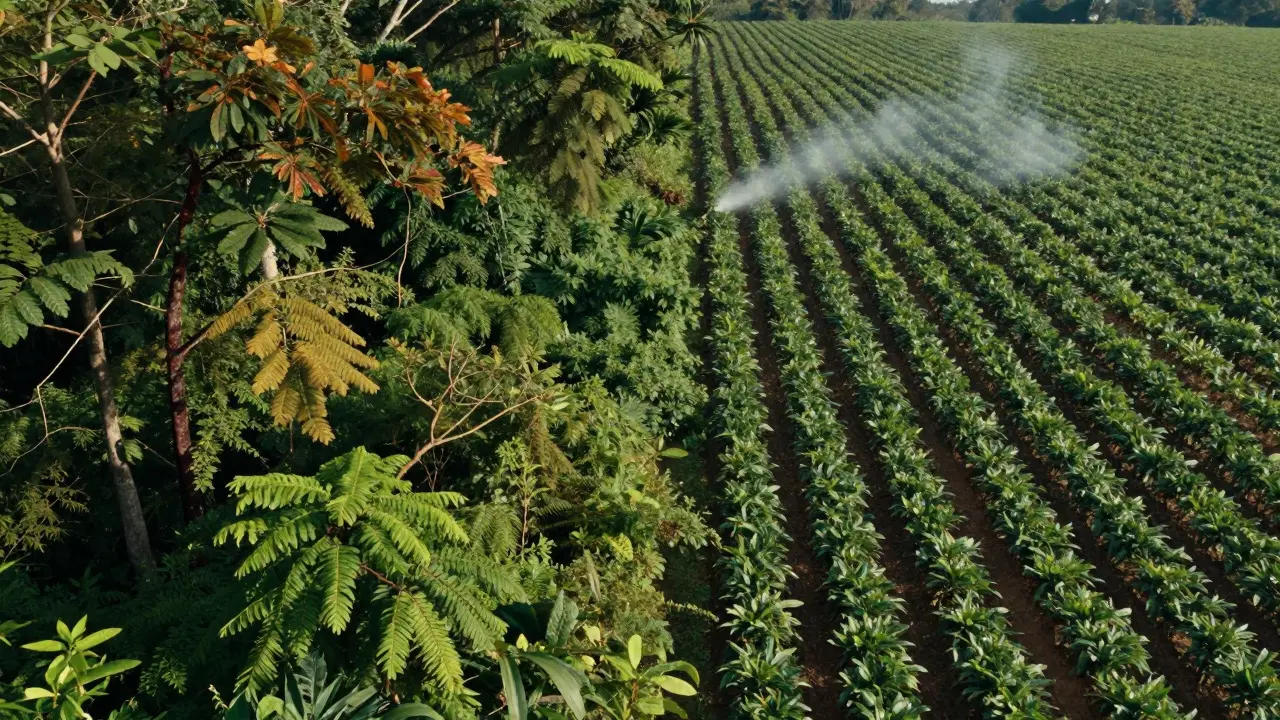
Understanding these differences matters beyond theory. In agriculture, we often favor asexual methods like cuttings or tissue culture to maintain uniform crops. This ensures consistent quality but increases vulnerability. A single fungal outbreak can devastate a monoculture. Conversely, wild plant populations with high genetic diversity are more resilient to climate change. Conservation efforts now focus on preserving genetic variation, not just population numbers, because diversity is what allows species to adapt to future challenges.
For humans, this knowledge informs breeding programs and medical treatments. We know that inbreeding reduces genetic diversity and increases the risk of genetic disorders. Maintaining healthy, diverse gene pools is crucial for long-term species survival. Whether you’re managing a forest reserve or a crop field, the lesson is clear: variety is strength.
Frequently Asked Questions
Is asexual reproduction always better than sexual reproduction?
No. Asexual reproduction is faster and more efficient in stable environments, allowing rapid population growth. However, sexual reproduction is superior in changing environments because it generates genetic diversity, helping populations adapt to new diseases, predators, and climate shifts.
What is the main disadvantage of asexual reproduction?
The main disadvantage is low genetic variation. Because offspring are clones, if a disease or environmental change affects one individual, it likely affects all of them. This makes asexual populations highly vulnerable to extinction events caused by specific pathogens or sudden habitat changes.
Can animals switch between asexual and sexual reproduction?
Yes, many animals practice cyclical parthenogenesis. For example, aphids reproduce asexually during favorable summer conditions to grow quickly, then switch to sexual reproduction in autumn to produce eggs that can survive winter. This allows them to exploit both speed and resilience.
Why do bacteria use asexual reproduction?
Bacteria use binary fission, a form of asexual reproduction, because it is extremely fast. In favorable conditions, they can double their numbers in minutes. While they lack true sexual reproduction, they gain genetic diversity through horizontal gene transfer, swapping DNA plasmids with other bacteria.
How does genetic diversity help a species survive?
Genetic diversity ensures that some individuals possess traits that may be advantageous under new conditions. If a new predator or disease appears, a diverse population is more likely to contain individuals with natural resistance, allowing the species to survive and evolve rather than facing total extinction.