Hierodule Myth vs. Reality Checker
Your Score
Key Takeaways
- Hierodule literally means "sacred servant," not sex worker.
- In Cyprus, temple women were often agricultural laborers with property rights.
- In Corinth, "selling oneself" likely referred to temporary dedication, not commercial sex work.
- Modern scholarship rejects the idea of widespread institutionalized religious prostitution in mainstream Greek religion.
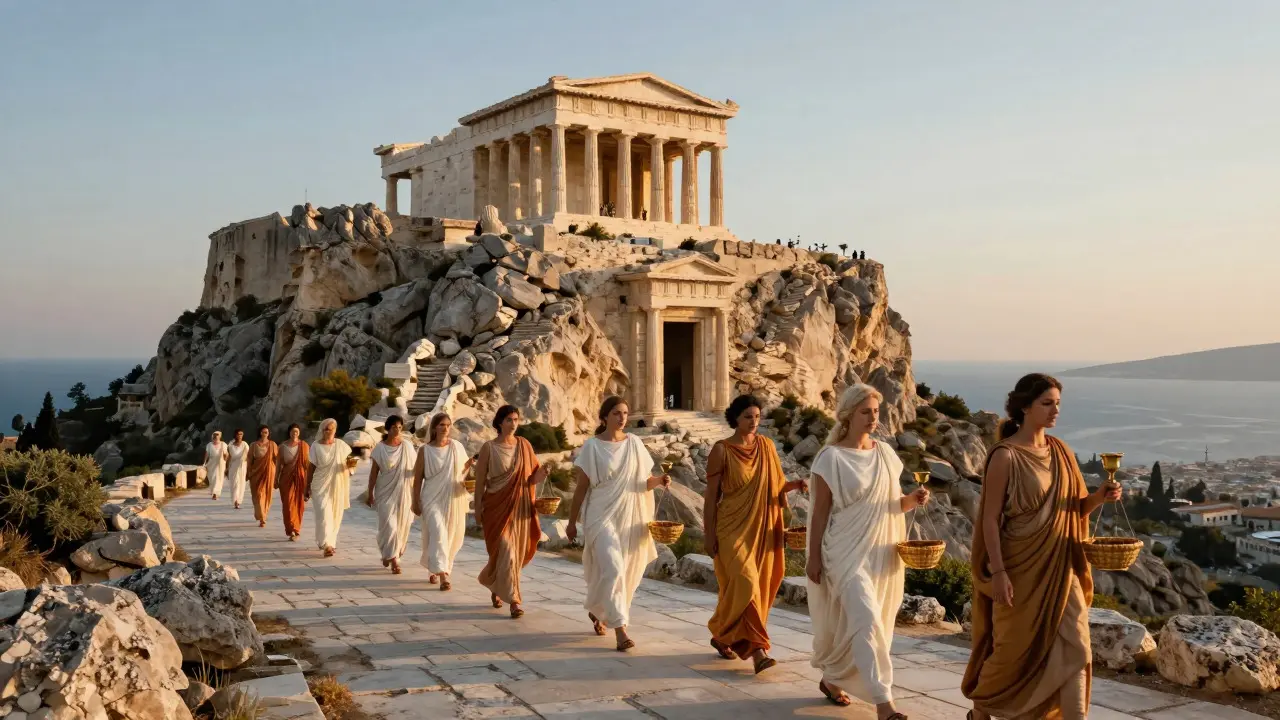
For centuries, the idea that women were ritually sold for sex in temples to pay for their own freedom has captivated imaginations. It paints a picture of ancient life that feels dramatic, almost cinematic. But when we look closely at the archaeological and textual evidence from Ancient Greece and Cyprus, the reality is far more complex-and often quite different-from the popular narrative. The term hierodule, a female priestess or temple attendant who served in religious contexts, sometimes with economic ties to the sanctuary is central to this debate. Understanding what hierodules actually did, and whether "religious prostitution" was a widespread institution, requires separating myth from material record.
The Myth of Sacred Sex Work
The notion that temple workers engaged in ritualized sexual transactions as part of worship gained traction in the 19th and early 20th centuries. Scholars like Herodotus described practices in Babylon and possibly Corinth, leading later writers to assume a pan-Mediterranean custom of "sacred prostitution." However, modern historians increasingly view this as an oversimplification. In many cases, what ancient sources describe as "selling oneself" referred not to commercial sex work but to a form of votive offering or temporary dedication where a woman would serve in the temple for a set period, after which she could marry freely. This distinction matters because it shifts the focus from sexual economics to religious obligation and social status.
In Corinth, the Temple of Aphrodite stood on the Acrocorinth, overlooking the city. The goddess was associated with both love and commerce, given Corinth’s strategic location at the Isthmus connecting the Peloponnese to mainland Greece. Travelers paid tolls to cross the isthmus, and some legends claimed that part of these fees went to maintain the temple. Whether this involved mandatory sexual service remains hotly debated. Most contemporary scholars argue that any "service" was likely symbolic or administrative rather than literal, especially since Greek society placed high value on female chastity outside specific religious contexts.
Who Were the Hierodules?
Hierodules were not a monolithic group. They ranged from freeborn women who dedicated themselves to a deity for spiritual reasons to enslaved individuals owned by the temple. Their roles varied significantly depending on the region and the specific cult. In Delphi, for example, hierodules acted as choral dancers and singers during festivals. In Sparta, they might have had military-adjacent training, reflecting the city-state’s unique social structure. None of these roles inherently required sexual labor.
The confusion arises partly from translation issues. The Greek word hieros means "sacred," and doulos means "slave" or "servant." So a hierodule was literally a "sacred servant." This does not automatically imply sexual servitude. Instead, it indicates a special legal and religious status. These women often lived within the temple precinct, managed offerings, and participated in rituals. Their economic relationship with the temple could involve receiving stipends, housing, or even ownership rights, but again, not necessarily sexual exchange.
Evidence from Cyprus and the Eastern Mediterranean
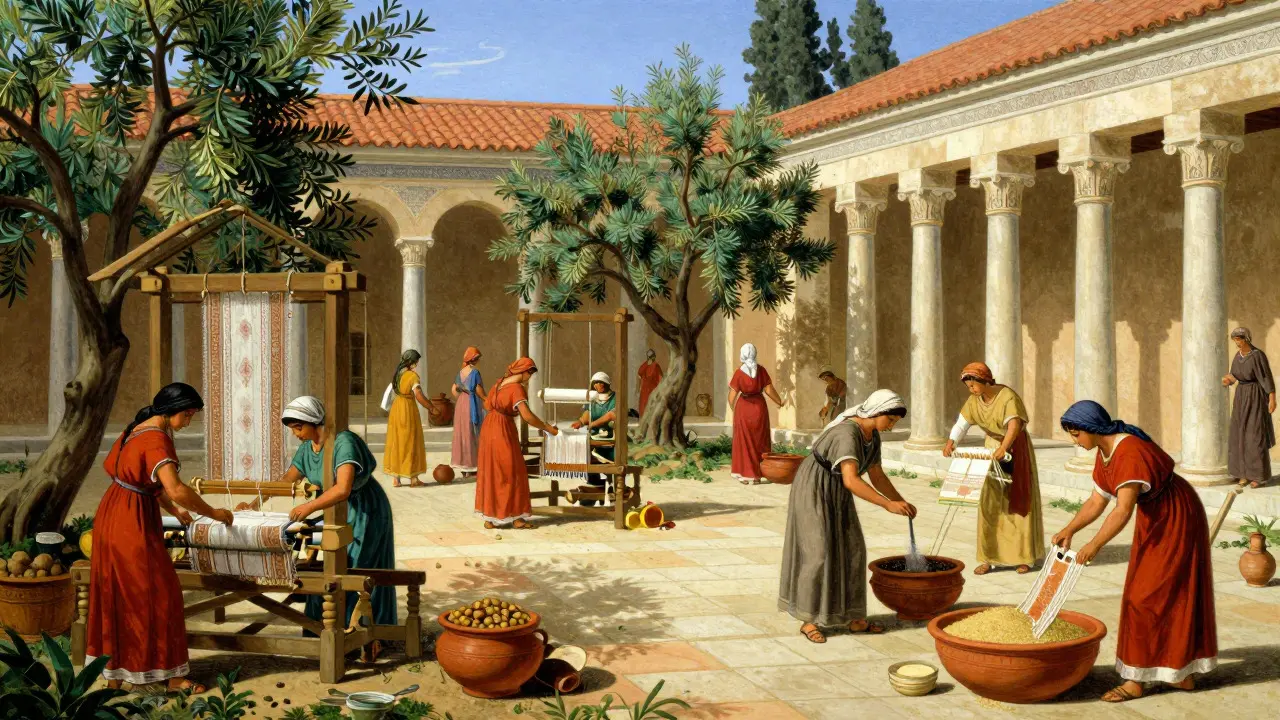
Cyprus offers a different lens. As a major hub for trade between Egypt, Mesopotamia, and the Aegean, the island hosted diverse religious practices. The cult of Aphrodite was particularly strong there, centered in cities like Paphos and Kition. Archaeological finds in Cypriot sanctuaries reveal extensive networks of female attendants, but inscriptions rarely mention sexual duties. Instead, they highlight roles in textile production, food preparation, and ritual purification. This suggests that the "prostitution" label may have been projected onto Cypriot practices by Greek observers who misunderstood local customs.
One key piece of evidence comes from the Ptolemaic Kingdom period, when Cyprus was under Egyptian influence. Administrative records show that temple estates employed thousands of women in agricultural and craft work. These women were legally distinct from household slaves, enjoying certain protections and property rights. Their presence in the temple economy was driven by labor needs, not sexual demand. This challenges the idea that all temple-associated female labor was tied to erotic rites.
Comparing Corinth and Cyprus: A Table of Differences
| Aspect | Corinth (Greek Context) | Cyprus (Eastern/Mixed Context) |
|---|---|---|
| Primary Deity | Aphrodite Urania | Aphrodite (syncretized with Ishtar/Inanna) |
| Documented Roles | Ritual attendance, possible choral duties | Textile work, food prep, agricultural labor |
| Legal Status | Varied; some free, some temple-owned | Temple estate workers with property rights |
| Sexual Service Evidence | Debated; mostly symbolic interpretations | Minimal direct evidence; likely misinterpreted |
| Economic Function | Toll-related maintenance, prestige | Large-scale agricultural and craft production |
Why the Confusion Persists
Several factors keep the "religious prostitution" myth alive. First, ancient travelogues often exaggerated or sensationalized foreign customs. Second, the concept of "sacred sexuality" resonates with modern audiences looking for exotic narratives about antiquity. Third, the lack of explicit written records about daily temple life leaves gaps that imagination can fill. However, epigraphy and archaeology are filling those gaps. Inscriptions from Attica and Boeotia list names of hierodules alongside their families, showing they were integrated into civic life, not isolated in sexual economies.
Additionally, the role of Aphrodite herself complicates matters. She was a goddess of love, yes, but also of diplomacy, wealth, and political alliance. Her temples served as neutral ground for negotiations and treaties. Women serving her temple might have facilitated these diplomatic functions, using their social access and perceived neutrality. This political dimension is often overlooked in favor of the more titillating sexual interpretation.
Modern Reassessments and Scholarly Consensus
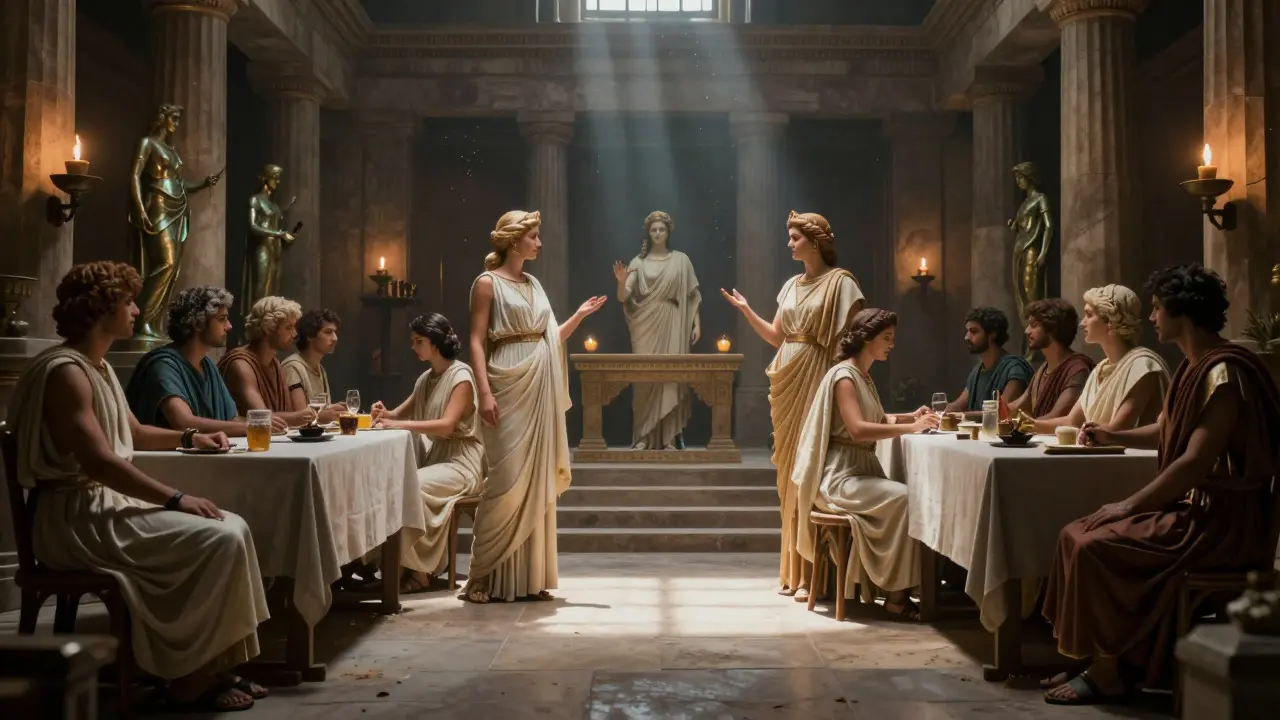
Today, most classical scholars reject the idea of institutionalized religious prostitution in mainstream Greek religion. Instead, they emphasize the diversity of female religious roles. Some hierodules were indeed sexually active, but so were many other women in ancient societies. The key difference was context: their activities were framed within religious duty, not market transaction. This nuance is crucial for understanding how gender, religion, and economics intersected in the ancient world.
In Cyprus, the situation was even less clear-cut due to cultural blending. The fusion of Greek, Phoenician, and Egyptian elements created hybrid religious practices that don’t fit neatly into Greek categories. What looked like "prostitution" to a Greek visitor might have been a rite of passage, a healing ritual, or a form of communal bonding. Without primary sources from the perspective of Cypriot women, we must remain cautious about imposing external frameworks.
Frequently Asked Questions
Did hierodules always engage in sexual service?
No. The term hierodule refers to a sacred servant, not specifically a sex worker. Many hierodules performed musical, agricultural, or administrative duties. Sexual activity, if present, was often symbolic or part of broader ritual contexts rather than a regular economic requirement.
Was there evidence of religious prostitution in Corinth?
Evidence is sparse and debated. While the Temple of Aphrodite was prominent, no definitive inscriptions or artifacts confirm routine sexual service. Most scholars now interpret references to "selling oneself" as metaphorical or referring to temporary dedication periods rather than ongoing commercial sex work.
How did Cypriot temple workers differ from Greek hierodules?
Cypriot temple workers were often part of large agricultural estates with documented property rights and labor roles. Their functions were more economically oriented, focusing on production and maintenance. Greek hierodules tended to have more visible ceremonial roles, such as dancing or chanting, though both groups shared the common thread of being legally distinct from household slaves.
Why do people still believe in religious prostitution?
The belief persists due to romanticized narratives, translation ambiguities, and the allure of exoticizing ancient cultures. Modern scholarship emphasizes contextual analysis and material evidence, which generally supports a more nuanced view of female religious roles that doesn't rely on sexual assumptions.
What sources should I read to learn more?
Look for works on ancient Greek religion and gender studies, particularly those focusing on epigraphic evidence. Studies on the Ptolemaic administration in Cyprus provide valuable insights into temple economies. Avoid relying solely on secondary sources that repeat older myths without citing primary data.