Economics of Sex and Labor: How Money Shapes Intimacy, Work, and Tradition
When we talk about economics, the system of how resources, labor, and value are distributed in society. Also known as the study of choice under scarcity, it doesn’t just cover stocks and GDP—it runs through every bedroom, every transaction, every family decision. Whether it’s who washes the dishes after dinner or how much someone charges for companionship, economics is always at work—even when no money changes hands.
domestic labor, unpaid housework and caregiving mostly done by women is one of the biggest hidden economies in the world. Women still do nearly twice as much of it as men, even when they have full-time jobs. That’s not just tiredness—it’s lost income, lost career time, and real stress. Meanwhile, sex work economics, the underground market where people trade intimacy for money operates with surprising precision: prices rise in booming cities, drop during recessions, and follow online trends like a stock chart. It’s not chaos—it’s a market, and it tells us more about the wider economy than most official reports.
And it’s not just modern. Long before apps and algorithms, consummation rituals, community-led ceremonies to prove a marriage was physically complete were how families secured inheritance and social standing. In medieval Europe, neighbors watched newlyweds go to bed—not for entertainment, but to make sure the union was legally binding. Today, in parts of India, bride price, money or goods paid by the groom’s family to the bride’s still decides who gets married, and whether a woman’s virginity is treated like a negotiable asset. These aren’t relics—they’re living systems where love, control, and cash are tangled together.
What ties all this together? Power. Who has it. Who loses it. Who gets paid, and who gets ignored. The same forces that push women into unpaid caregiving also shape the risks sex workers take and the pressure on brides to prove their worth. These aren’t separate issues—they’re branches of the same tree.
You’ll find stories here that don’t show up in textbooks: how strip clubs predict recessions, why virginity tests still happen in 2024, and what really happens behind closed doors when no one’s watching. No fluff. No judgment. Just how money, tradition, and human behavior really connect.
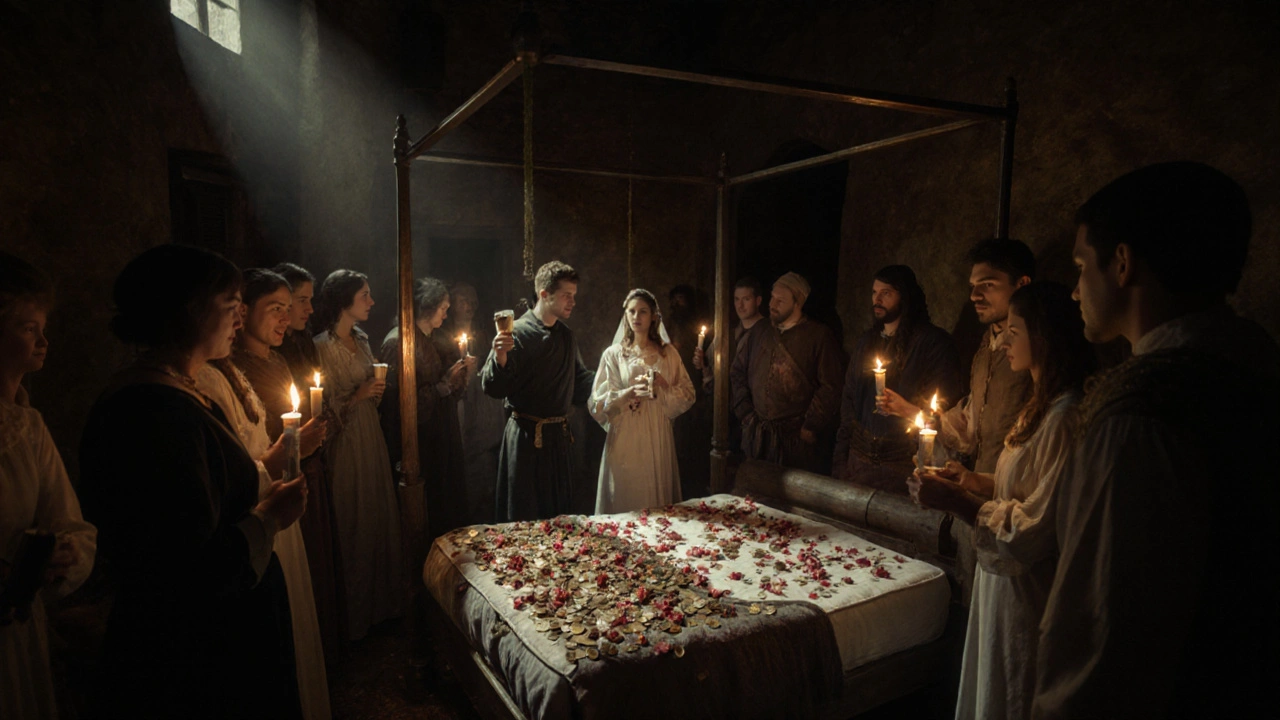
Bedding Ceremonies: How Communities Once Validated Marriage Through Consummation Rituals
Nov 24 2025 / EconomicsBedding ceremonies were once common in medieval Europe, where communities watched newlyweds consummate their marriage to legally validate the union. This practice shaped inheritance, religion, and gender norms-and its echoes survive in today's wedding traditions.
VIEW MORE
The Economics of Sex Work: Supply, Demand, and Market Structures
Nov 9 2025 / EconomicsSex work operates as a complex, underground economy with clear supply and demand patterns. From street corners to online platforms, pricing, risks, and client behavior reveal how this market functions-and why it predicts economic downturns.
VIEW MORE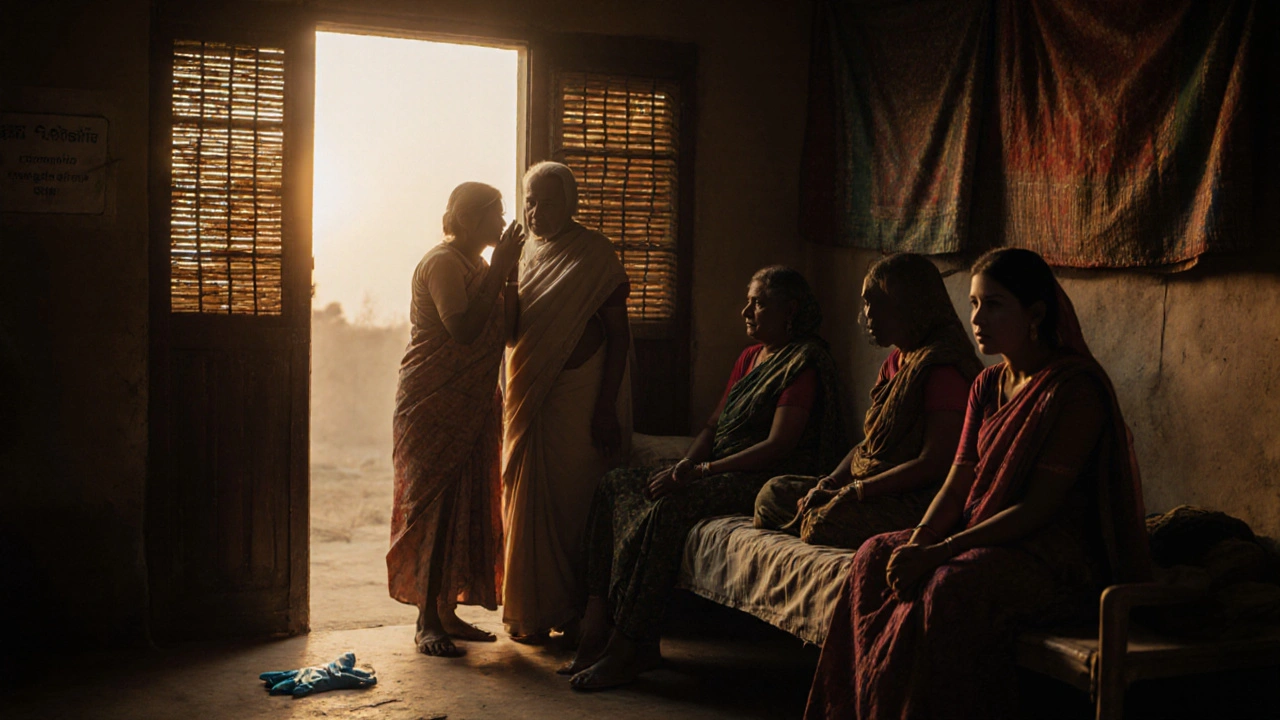
Female Virginity in India: How Honor, Economics, and Bride Price Shape Marriage Decisions
Oct 31 2025 / EconomicsFemale virginity in India is tied to family honor and marriage economics, influencing dowry, bride price, and social status. Despite being unscientific and illegal, virginity testing persists, especially in rural areas, while urban youth increasingly reject the norm.
VIEW MORE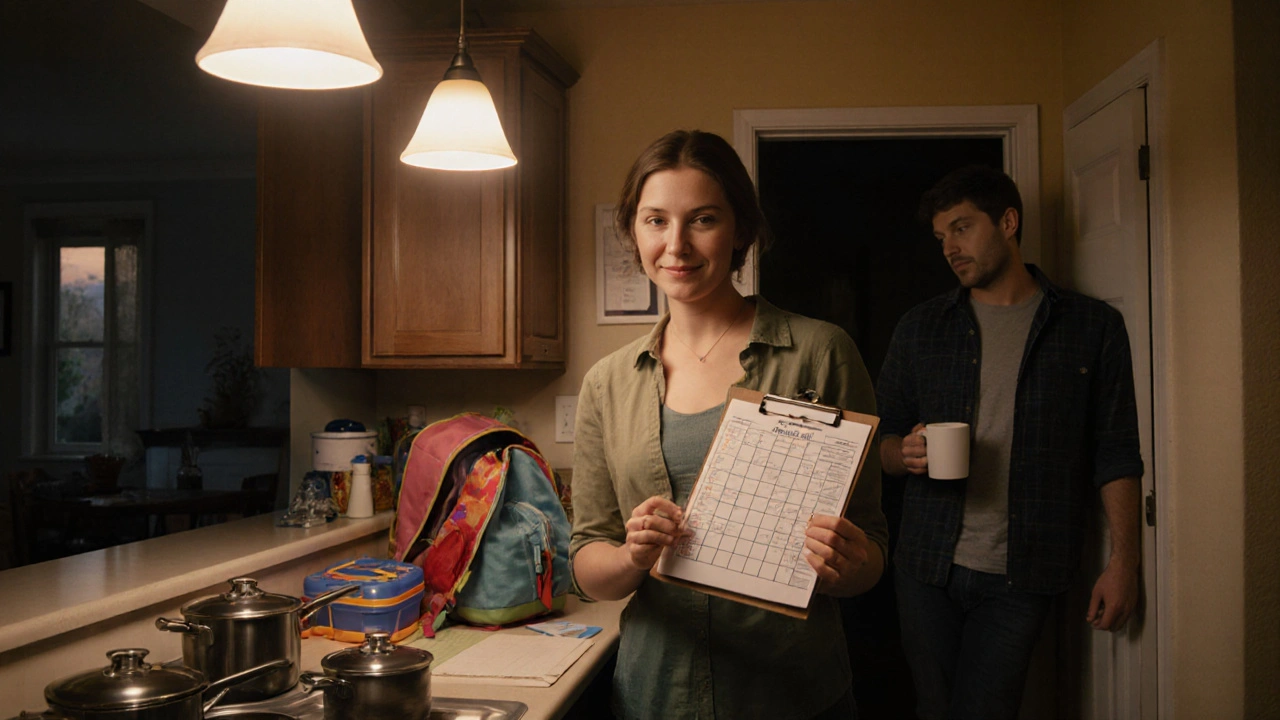
Domestic Labor and the Second Shift: Who Does What at Home?
Oct 24 2025 / EconomicsWomen still do nearly twice as much unpaid housework and childcare as men-even when they work full-time. This 'second shift' drains time, energy, and mental health. Data shows the gap persists across races and income levels, and real change requires more than good intentions.
VIEW MORE