Prehistoric Artifact Interpreter
Are you an archaeologist or a curious museum visitor? Use this tool to evaluate the evidence for a specific artifact find and see which theory—Ritual/Fertility or Sexual Aid—is best supported by the data.
Artifact Evidence Input
Interpretation Score
Key Insights
Enter artifact details on the left to generate an archaeological interpretation.
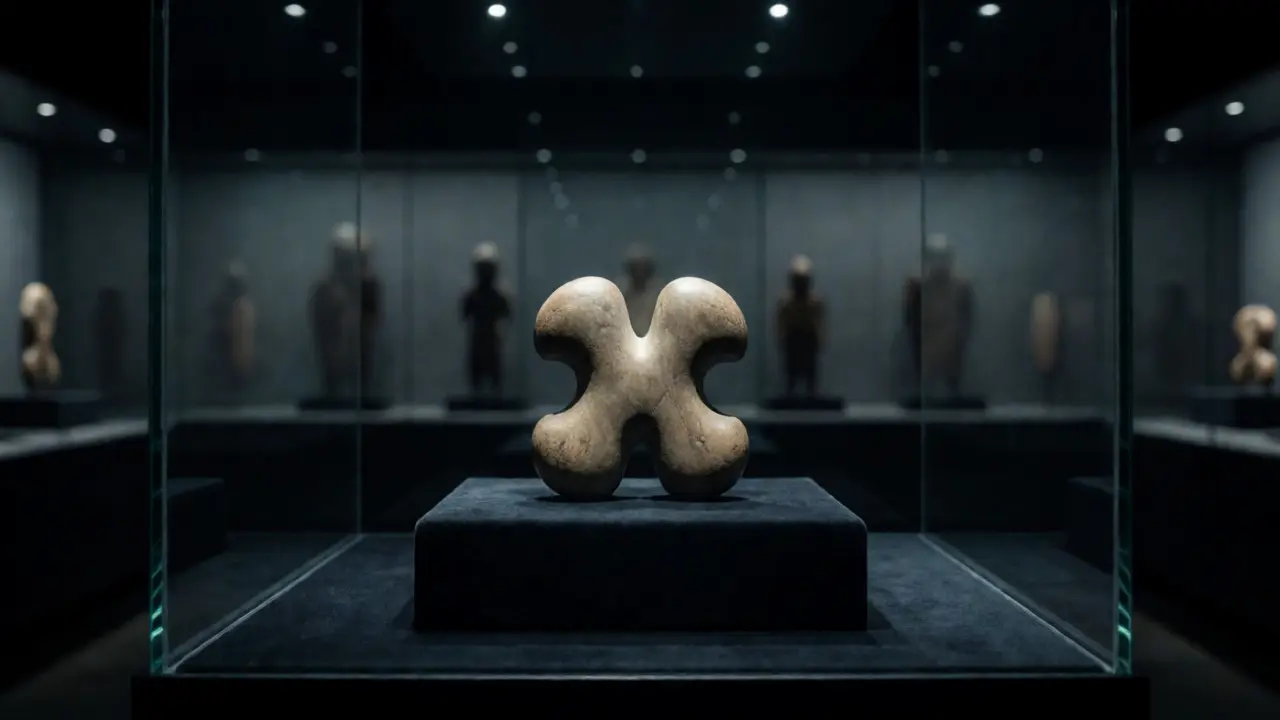
You’re walking through a museum exhibit on the Upper Paleolithic era. The lights are dim, the glass cases are cold, and suddenly you stop dead in your tracks. Sitting there, labeled with a polite, sterile caption like "Ritual Object" or "Possible Fertility Symbol," is a carved stone phallus. But it’s not just one head-it has two. It looks suspiciously like something you’d find in a modern adult novelty shop. So, what gives? Were our ancestors from 30,000 years ago actually using these as sex aids, or have we been projecting our own awkwardness onto their sacred rituals?
This isn't just a joke question. It’s a genuine archaeological debate that touches on how we interpret the private lives of people who left no written records. When we look at double-headed dildos, or more formally, biphasal lithic artifacts, we are staring into a mirror of human desire, belief, and survival. Did they use them for pleasure, or were they tools to ensure the tribe didn’t die out? Let’s break down the evidence without the academic fog.
The Evidence in Stone and Bone
First, let’s talk about what we actually have. We aren’t guessing. Archaeologists have dug up hundreds of these objects across Europe and parts of Asia. They range from small, handheld pieces made of mammoth ivory to larger, heavier stones. One of the most famous examples comes from the Hohle Fels cave in Germany, dating back roughly 35,000 years. This wasn’t some crude stick; it was polished, symmetrical, and carefully crafted.
Why does this matter? Because if you’re going to spend hours carving a hard material like flint or ivory into a specific shape, you usually have a reason. If it were purely symbolic, you might expect abstract representations. But these objects often feature realistic anatomical details-veins, glans shapes, and yes, sometimes testicles. The realism suggests a functional purpose beyond mere abstraction. However, function doesn’t automatically mean "sex." In many ancient cultures, realistic depictions of genitalia were used in healing rituals, not just bedroom activities.
Fertility Symbolism: The Sacred Womb
Here is where the fertility symbolism argument gets strong. For prehistoric humans, reproduction wasn’t just about fun; it was a matter of life and death. High infant mortality rates meant that every successful birth was a miracle worth celebrating-or praying for.
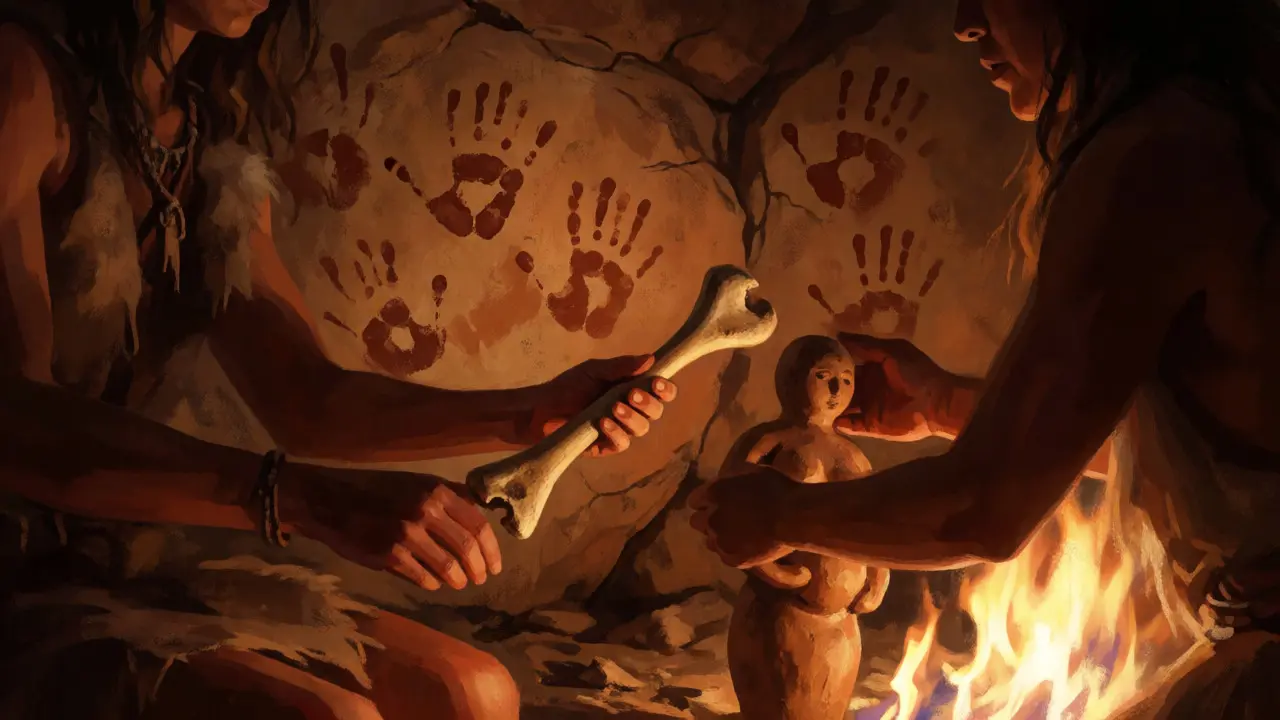
Many archaeologists argue that these double-headed objects were ritual tools used by shamans or midwives. The logic goes like this: the penis represents male potency, while the womb (often represented by other figurines) represents female receptivity. A double-headed object could symbolize the union of forces, a magical charm to induce pregnancy. Imagine a ceremony where the object is passed around, touched, or even inserted into a clay figure representing the earth mother. It’s a sympathetic magic act: "As this object enters the figure, so shall life enter the woman."
| Feature | Ritual/Fertility Theory | Sexual Aid Theory |
|---|---|---|
| Material | Often precious materials (ivory, jade) suggesting value beyond utility. | Durable materials suitable for repeated friction and cleaning. |
| Wear Patterns | Polishing consistent with handling or ceremonial display. | Abrasions consistent with insertion or thrusting motions. |
| Context | Found near burial sites or shrines, away from living quarters. | Found in domestic areas or alongside other personal grooming items. |
| Symmetry | Perfect symmetry implies artistic or divine perfection. | Ergonomic balance for ease of use by either partner. |
The Case for Pleasure: Why Not Both?
Let’s be real: humans have always liked sex. There’s no biological switch that turned off libido when we started painting caves. The idea that prehistoric people were solemn, joyless creatures focused only on survival is a Victorian-era bias that refuses to die. If you had access to smooth, warm bone shaped perfectly for stimulation, would you really ignore it?
The sexual aid theory argues that these objects were exactly what they look like. The double head offers versatility. It allows for simultaneous stimulation or sharing between partners, which strengthens social bonds. In hunter-gatherer societies, social cohesion was vital for survival. Shared pleasure, shared food, shared childcare-these behaviors built trust. Using a shared object for intimacy could have been a way to reinforce pair bonding or group solidarity.
Consider the wear patterns. Some studies using microscopic analysis have found polish on the shafts that resembles friction from soft tissue, not just dry handling. While not definitive proof, it leans toward usage rather than just display. Plus, why make it double-headed? A single phallus works fine for solo use. The dual design screams interaction. It invites a second user. That points strongly toward partnered activity, whether sexual or ritualistic.
Cultural Projection and Modern Bias
We have to admit that we view these artifacts through a modern lens. Today, a dildo is primarily a sex toy. In 19th-century Europe, it was considered obscene. In prehistoric times, it might have been neither. It might have been a tool for pain relief, a religious icon, or a status symbol.
When early archaeologists found these items, many refused to publish photos of them, labeling them "obscene curiosities." This stigma delayed serious study for decades. Now, with better analytical tools, we can see that separating "sex" from "ritual" is a false dichotomy. In many traditional societies still existing today, sexuality and spirituality are intertwined. Birth, death, and sex are all transitions between states of being. An object used in a fertility rite might also be used for pleasure, without any contradiction.
Think about wedding rings. Today, they are jewelry and symbols of commitment. But historically, they had practical origins and varied meanings. We shouldn’t assume that because an object looks like a sex toy, it couldn’t also be holy. Or vice versa.
What About the Double Heads Specifically?
Not all prehistoric phalli are double-headed. Single-headed ones are common. The double-headed variety is rarer, which makes its purpose even more intriguing. If it were just about fertility, wouldn’t one head suffice? The duplication suggests a specific function requiring two ends.
One compelling hypothesis involves gender fluidity or non-binary roles in prehistoric tribes. Some anthropologists suggest that certain individuals held specialized spiritual roles that transcended binary gender norms. A double-headed object could represent the integration of masculine and feminine energies within one person or one act. It’s a physical manifestation of balance.
Alternatively, it could simply be ergonomic. A double-ended tool is easier to store and less likely to get lost. You don’t need to worry about which end is "up." It’s always ready to go. From a practical standpoint, it’s efficient. And prehistoric people were incredibly efficient-they didn’t waste energy or materials.
Beyond the Bedroom: Medical and Magical Uses
We shouldn’t overlook medical applications. In many ancient cultures, genitalia were associated with health and vitality. Insertion of smooth stones or bones might have been used to treat pelvic pain, regulate cycles, or aid in childbirth. The cool touch of stone on skin can soothe inflammation. Maybe these weren’t just for pleasure but for care.
Furthermore, the act of touching or inserting these objects could have been a form of meditation or trance induction. Rhythmic motion, combined with the tactile sensation, might help alter consciousness during ceremonies. If the goal was to connect with ancestral spirits, the method mattered less than the focus. The object was a focal point, a key to unlock a spiritual state.
So, What Was It Really?
The truth is likely messy and multifaceted. These objects probably served multiple purposes depending on the context, the user, and the culture. To insist on one single explanation is to miss the complexity of human experience. Our ancestors were smart, adaptable, and deeply connected to their bodies and their beliefs.
If you ask me, the most plausible answer is that they were versatile tools. Yes, they were likely used for sexual pleasure. Yes, they were likely used in fertility rituals. And yes, they might have been used for healing or social bonding. The double-headed design maximizes utility, allowing the same object to serve different needs at different times. It’s a testament to human ingenuity and our enduring relationship with our own sexuality.
Next time you see one in a museum, don’t just giggle. Look closer. See the craftsmanship, the wear, the intent. It’s not just a weird rock. It’s a window into a world where sex, spirit, and survival were woven together tightly.
Are double-headed dildos really from prehistoric times?
Yes, numerous artifacts dating back to the Upper Paleolithic period (approximately 40,000 to 10,000 years ago) have been discovered across Europe and Asia. These include examples made from mammoth ivory, bone, and stone, such as those found in the Hohle Fels cave in Germany.
Why do archaeologists disagree on their purpose?
Disagreement stems from the lack of written records from prehistoric eras. Without textual evidence, interpretations rely on context, wear patterns, and comparison with later cultures. Some prioritize ritualistic contexts, while others emphasize functional ergonomics and wear consistent with sexual use.
What is fertility symbolism in this context?
Fertility symbolism refers to the use of objects or images to invoke or represent reproductive power. In prehistoric societies, ensuring successful births was critical for survival. Phallic objects may have been used in rituals to magically promote conception or healthy pregnancies.
Could these objects have been used for medical reasons?
Possibly. Many ancient cultures linked genital health with overall vitality. Smooth, cool objects might have been used to alleviate pelvic discomfort, assist in labor, or perform hygienic practices, blending medical and ritual functions.
Does finding a sex toy change how we view prehistoric life?
It humanizes them. Recognizing that prehistoric people sought pleasure and intimacy challenges the stereotype of them as merely struggling survivors. It highlights that emotional and physical well-being were important aspects of their daily lives.