
Material Evolution Explorer
Click on a material era below to explore its properties, advantages, and drawbacks as described in the article.
The pre-rubber era relied on rigid materials like ebonite, bone, wood, or stone. While durable, they lacked comfort and hygiene.
Charles Goodyear's discovery of vulcanization allowed for elastic yet durable rubber. This democratized access to pleasure through low-cost mass production.
Developed further during WWII, latex offered extreme elasticity and a skin-like feel. It enabled seamless, thin-walled designs and vibrant colors.
Emerging in the 1990s, medical-grade silicone became the gold standard. It is non-porous, heat-resistant, and hypoallergenic, solving previous health concerns.
You might think the modern sex toy industry is all about silicone, app connectivity, and body-safe plastics. But if you rewind the clock to the early 1900s, the revolution wasn't digital-it was chemical. The shift from rigid, often uncomfortable materials to flexible, tactile rubber and latex changed everything about how people experienced intimacy. This wasn't just a manufacturing upgrade; it was a cultural pivot that made pleasure accessible, affordable, and, crucially, discreet.
The Pre-Rubber Era: Rigid Beginnings
Before we get to the squishy stuff, let's look at what came before. In the late 19th century, dildos weren't exactly known for their comfort. They were typically made from hard rubber (ebonite), bone, wood, or even stone. While functional, these materials had major downsides. Hard rubber could crack under pressure, wood splintered, and bone was porous, making hygiene a nightmare. Cleaning them meant boiling or harsh chemicals that degraded the material quickly.
Then there was the issue of discretion. Imagine trying to hide a wooden phallus in a Victorian bedroom. It was bulky, obvious, and carried a stigma that rigid materials couldn't shake. Enter Charles Goodyear and his accidental discovery of vulcanization in 1839. By heating natural rubber with sulfur, he created a material that was elastic yet durable. This process didn't just help tires; it laid the groundwork for a new kind of intimate product.
Vulcanized Rubber: The First Game Changer
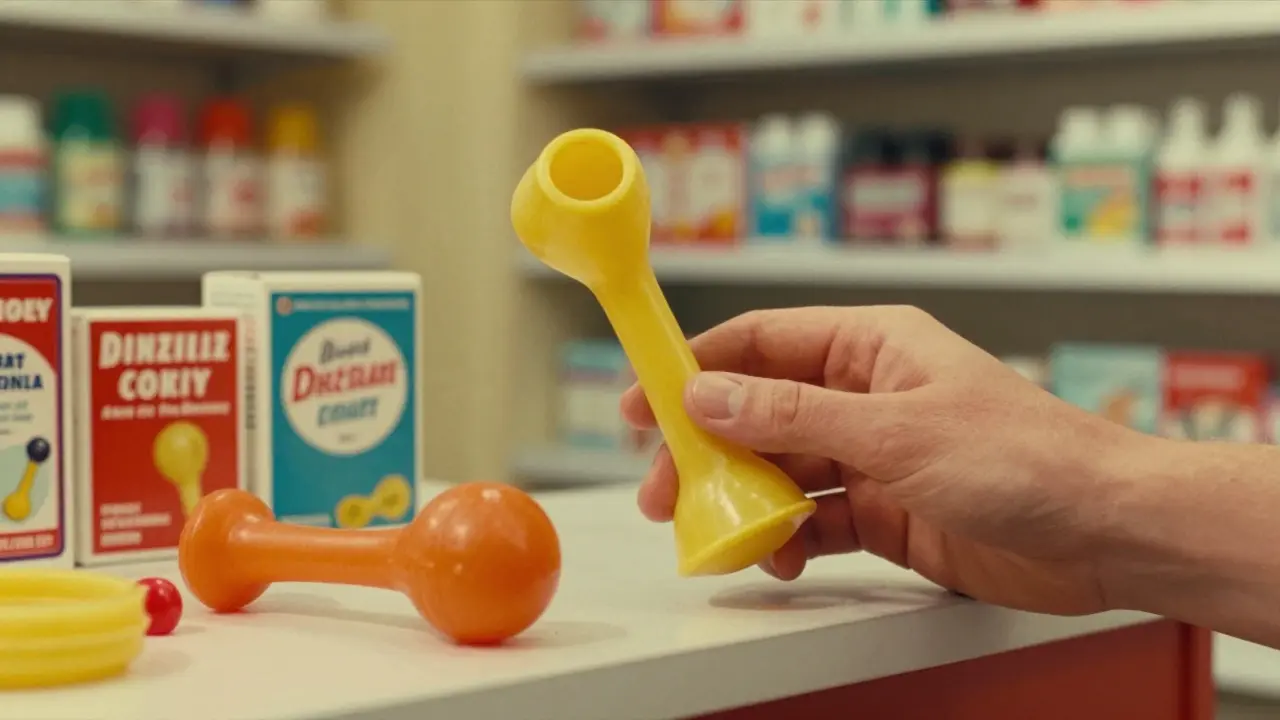
By the 1920s and 1930s, vulcanized rubber started appearing in medical catalogs and novelty shops. Why? Because it was cheap, mass-producible, and surprisingly realistic in texture compared to wood or bone. For the first time, manufacturers could create hollow designs that could be filled with water or sand for weight, mimicking the feel of flesh more closely than ever before.
But here’s the catch: early rubber toys had a distinct smell. If you’ve ever handled old rubber bands or vintage raincoats, you know that pungent, sulfurous odor. That smell became synonymous with the era’s intimate accessories. Despite this, sales boomed. Why? Because rubber allowed for flexibility. You could bend it, store it easily, and clean it with relative ease. It democratized access to pleasure, moving it out of the realm of expensive custom orders and into the hands of the average consumer.
| Material | Decade Prominence | Key Advantage | Major Drawback |
|---|---|---|---|
| Ebonite (Hard Rubber) | 1880s-1920s | Durability, rigidity | Brittle, difficult to clean, heavy |
| Vulcanized Rubber | 1920s-1950s | Flexibility, low cost, realism | Pungent odor, degradation over time |
| Latex | 1960s-1980s | Elasticity, skin-like feel | Allergies, stickiness without powder |
| Silicone | 1990s-Present | Body-safe, non-porous, hypoallergenic | Higher production cost initially |
Enter Latex: The Elastic Revolution
If vulcanized rubber opened the door, latex kicked it down. Developed further during World War II due to shortages of synthetic rubber, latex offered something unique: extreme elasticity and a smooth, skin-like surface. By the 1950s and 60s, advancements in dipping techniques allowed manufacturers to create seamless, thin-walled toys that felt incredibly natural.
This period also saw the rise of the "novelty" market. As social mores began to loosen post-WWII, latex toys became less taboo and more playful. They were marketed not just as medical aids but as lifestyle products. The ability to produce vibrant colors-red, blue, black-made them visually appealing rather than just clinical beige. However, latex brought its own set of challenges. It degraded when exposed to sunlight and oils. More importantly, it introduced the concept of latex allergies to the mainstream conversation. Suddenly, a significant portion of the population had to navigate a new health consideration when choosing their intimate gear.
The Impact on Discretion and Accessibility
One of the biggest shifts driven by rubber and latex was privacy. Before these materials, owning a sex toy often meant explaining a strange-looking object to guests or family members. A small, collapsible rubber device could be hidden in a sock drawer or a travel bag without raising eyebrows. This portability fueled the growth of mail-order catalogs in the mid-20th century. Companies like Adam & Eve (founded later, but building on earlier models) leveraged the unassuming nature of rubber products to sell millions of units directly to consumers who wouldn't dare walk into a pharmacy to buy one.
Moreover, the cost structure changed dramatically. Vulcanized rubber and latex are inexpensive raw materials. This lowered the barrier to entry for both manufacturers and buyers. Pleasure was no longer a luxury reserved for the wealthy; it became a commodity. This economic shift mirrored broader societal changes where consumer goods became more accessible to the working class.
From Stigma to Standard: The Cultural Shift
The journey from ebonite to latex isn't just a story of materials; it's a story of acceptance. In the 1970s and 80s, the feminist movement played a huge role in reclaiming these objects. Women began to demand better design, safety, and aesthetics. The crude, smelly rubber toys of the past gave way to more refined latex and early silicone hybrids. Manufacturers started listening to feedback, improving ergonomics, and reducing odors.
This era also saw the distinction between "medical" and "recreational" blur. Doctors prescribed vibrators for hysteria, but everyday people bought them for fun. The material itself helped bridge this gap. Because latex and rubber were used in condoms and medical gloves, they carried an air of hygiene and normalcy that wood or metal never could. Using a latex toy felt familiar, safe, and sanitary, which helped reduce the shame associated with self-pleasure.
The Decline of Rubber and Rise of Silicone
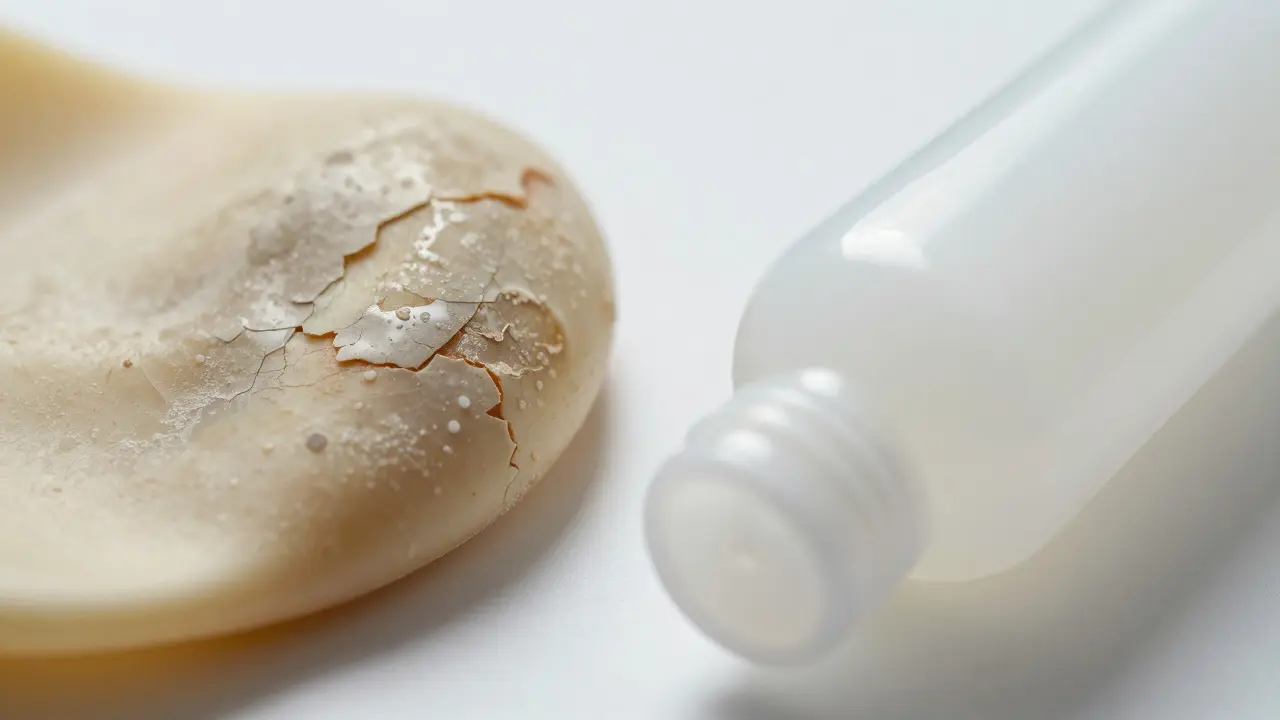
So why don't we see many pure rubber or latex toys today? Two reasons: longevity and health. Rubber degrades. It gets sticky, cracks, and harbors bacteria in microscopic fissures that form over time. Latex allergies became increasingly diagnosed, pushing consumers toward alternatives. By the 1990s, medical-grade silicone emerged as the gold standard. It’s non-porous, heat-resistant, and hypoallergenic.
Yet, we owe our current industry to those early experiments with rubber. Without the mass-production techniques developed for vulcanized rubber, we wouldn't have the economies of scale we enjoy today. Without the dipping processes perfected for latex, we wouldn't have the intricate, multi-layered designs common in high-end toys now. These materials were the training wheels for the modern sexual wellness industry.
Key Takeaways
- Accessibility: Rubber and latex made sex toys affordable and widely available, moving them from niche medical items to common consumer goods.
- Discretion: Flexible materials allowed for smaller, collapsible designs that were easy to hide, fueling the mail-order boom.
- Hygiene Awareness: The use of rubber and latex in medical contexts helped normalize the idea of cleanable, reusable intimate devices.
- Health Considerations: Latex allergies forced the industry to innovate, leading to the development of safer, body-friendly materials like silicone.
- Cultural Acceptance: The familiarity of these materials helped reduce stigma, paving the way for the open conversation about sexual wellness we have today.
Frequently Asked Questions
Why did rubber sex toys smell so bad?
Early vulcanized rubber contained sulfur and other chemicals used in the curing process. These compounds off-gassed, creating a strong, pungent odor similar to burnt tires or old raincoats. Modern processing methods and additives have significantly reduced this issue, but it remains a hallmark of vintage rubber products.
Are latex sex toys still popular today?
While less common than silicone, latex is still used, particularly for stretchy, skin-tight sleeves and certain types of cock rings. However, due to allergy concerns and durability issues, most mainstream manufacturers have shifted to silicone or TPE (thermoplastic elastomer) for core products.
How did vulcanization change the sex toy industry?
Vulcanization turned brittle natural rubber into a durable, elastic material. This allowed for mass production of consistent, flexible toys that were cheaper than hand-carved wood or bone. It enabled the creation of hollow designs and made storage and transport much easier, expanding the market beyond wealthy elites.
What was the main drawback of using rubber for intimate products?
The primary drawbacks were degradation and hygiene. Over time, rubber becomes sticky, cracks, and can harbor bacteria in microscopic tears. It also reacts poorly to oils and sunlight, requiring careful storage. Additionally, the strong initial odor was a barrier to adoption for many users.
Did the invention of condoms influence sex toy materials?
Absolutely. The development of thin, reliable latex condoms in the mid-20th century drove innovations in latex dipping and coating technologies. These same techniques were adapted for sex toys, allowing for thinner walls, greater sensitivity, and smoother surfaces that mimicked human skin more effectively than previous rubber formulations.