New Kingdom Love Poetry Analyzer
Ma'at represents truth, balance, and order. In love poetry, intense emotions are not seen as chaotic but as temporary disruptions.
- Separation Creates tension/imbalance.
- Reunion Restores cosmic harmony.
- Desire Bridges physical and spiritual realms.
Note: Most surviving poems are written in Hieratic script on papyrus, intended for private circulation among the educated elite.
Thematic Presence
Interpretive Insight
Key Vocabulary Detected
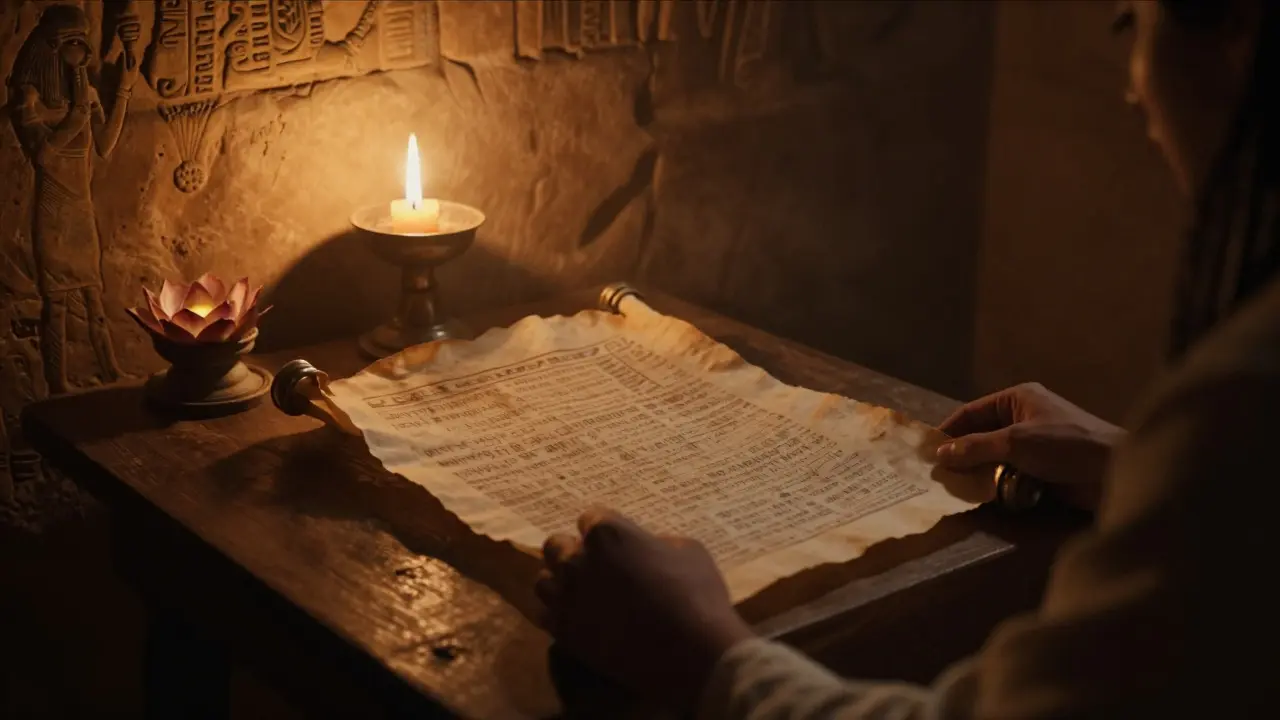
Imagine standing in a dimly lit room in Thebes, around 1300 BCE. The air is thick with the scent of lotus oil and myrrh. In your hand, you hold a papyrus scroll that doesn't discuss war victories or grain taxes. Instead, it contains a raw, unfiltered confession of longing. This is not just history; this is ancient egyptian poetry at its most vulnerable. While we often associate Ancient Egypt with pyramids and pharaohs, the New Kingdom era (c. 1550-1070 BCE) produced some of the world’s earliest surviving romantic literature. These texts reveal a society where personal emotion was not suppressed by state ideology but celebrated in intimate detail.
The core of this literary tradition lies in the "Love Songs," a distinct genre found primarily in private collections rather than temple inscriptions. Unlike the grand hymns dedicated to gods like Amun-Ra, these poems focus on the human heart. They explore the pain of separation, the joy of reunion, and the physical pull of attraction. To understand these works, we must look past the rigid social structures of the time and see them as expressions of individual agency within a collective culture.
The Context of New Kingdom Literature
The New Kingdom marked a golden age for Egyptian culture, driven by military expansion and economic wealth. This prosperity allowed for a rise in literacy beyond the priestly and administrative classes. Scribes, who were the backbone of the bureaucracy, began composing texts for their own enjoyment and for the entertainment of the elite. The Hieratic Script is a cursive form of hieroglyphs used for everyday writing, including poetry and letters became the primary medium for these personal works. It was faster to write than formal hieroglyphs, making it ideal for the flowing, emotional nature of love poetry.
Most of these poems were written on papyrus scrolls, which were fragile and perishable. Today, we have only a fraction of what was once written. Many fragments come from the tomb of Senenmut, an architect and official under Queen Hatshepsut, or from later collections in Deir el-Medina, the village of the workers who built the royal tombs. These sources tell us that love poetry was not exclusively royal; it was a shared cultural practice among the educated middle class.
Anatomy of a Love Song: Structure and Themes
Egyptian love songs follow specific structural patterns that help modern readers decode their meaning. They are rarely narrative in the way a novel would be. Instead, they are lyrical, focusing on a single moment of emotion or a recurring theme. The most common themes include:
- Separation and Longing: Perhaps the most frequent motif. The speaker laments the absence of their beloved, comparing their suffering to natural phenomena like the sun setting or the Nile receding.
- Reunion and Joy: The climax of many poems is the moment when the lovers meet again. This is described in vivid, sensory terms, emphasizing touch and sight.
- Physical Attraction: Unlike later Western traditions that often veiled desire in metaphor, Egyptian poetry can be quite direct about physical beauty and sexual appeal.
A typical poem might begin with the speaker addressing the beloved directly: "My beloved, why do you hide from me?" The rest of the text then elaborates on the speaker's internal state. There is no plot development in the modern sense; the entire poem exists in the present tense of the feeling. This immediacy makes the poetry feel incredibly fresh even thousands of years later.
Sexual Desire and the Body in Egyptian Verse
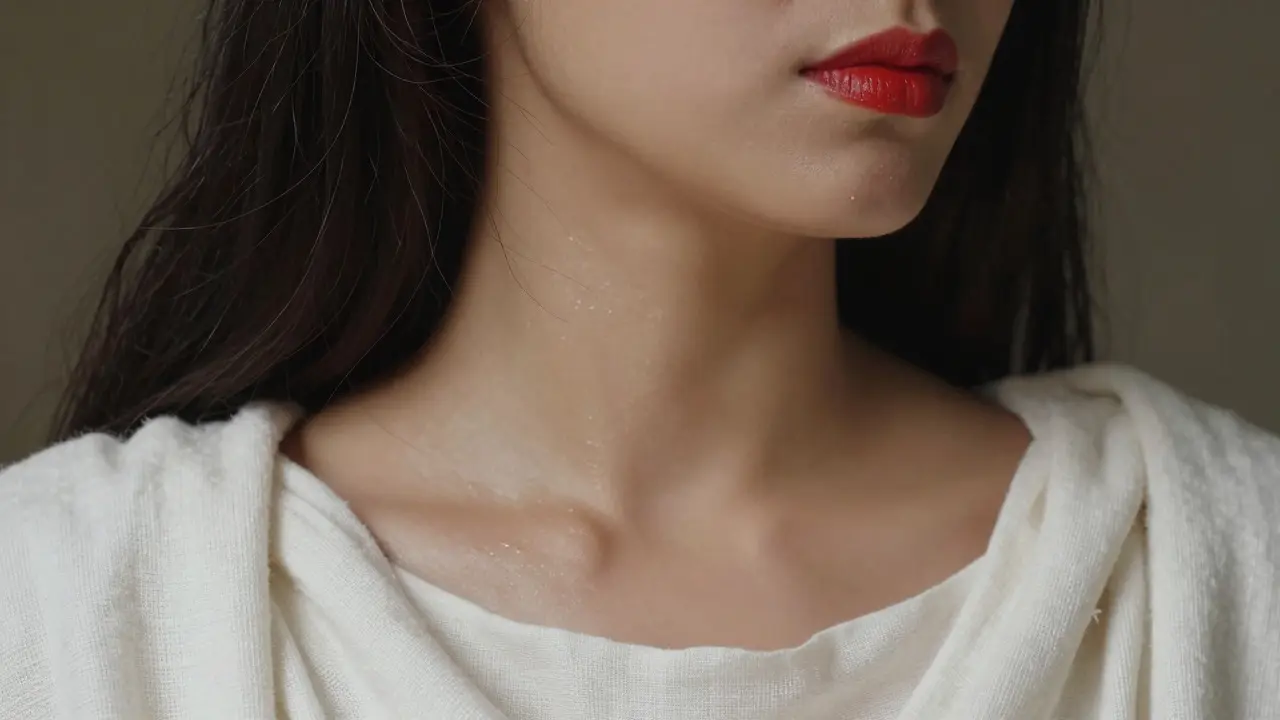
When discussing sexual desire in ancient texts, one often expects euphemism. However, New Kingdom love poetry offers a surprisingly candid view of the body. The beloved is frequently described using metaphors drawn from nature and daily life. A woman’s hair might be compared to black flax, her skin to white linen, and her lips to red carnelian. These comparisons serve two purposes: they highlight aesthetic beauty and they create a sensory bridge between the abstract feeling of love and the concrete reality of the body.
Desire is often linked to the concept of "breath" or "spirit." To smell the beloved’s perfume is to inhale their essence. To kiss them is to share breath. This spiritualizes the physical act without removing its carnal nature. For example, in one famous fragment, the speaker says, "Your face is before me, and my heart is in your lap." Here, the physical proximity of the bodies mirrors the emotional closeness of the spirits. The boundary between the physical and the spiritual is porous in these texts.
It is also worth noting that while the majority of surviving love songs are written from a male perspective, there are exceptions. Some poems appear to be voiced by women, offering a glimpse into female subjectivity. These texts show that women in the New Kingdom had enough social mobility and literacy to express their own desires, challenging the stereotype of the passive, silent woman in ancient societies.
Courtship Rituals and Social Norms
How did these poetic sentiments translate into actual behavior? Courtship rituals in ancient Egypt were governed by strict social norms, yet they left room for personal expression. Marriage was primarily an economic and social contract, arranged by families. However, the emotional bond between partners was highly valued. A good marriage was seen as a source of stability and happiness, and divorce, while possible, was socially frowned upon unless there was infidelity or barrenness.
Courtship itself was subtle. Public displays of affection were rare. Instead, communication happened through gifts, letters, and yes, poetry. A young man might send a papyrus strip with a short verse to a girl he admired. If she responded, it signaled interest. The exchange of names was a significant step, as knowing someone’s name gave power over them in Egyptian belief. Therefore, sharing names in a love poem was an act of vulnerability and trust.
| Feature | Temple Hymns | Love Songs |
|---|---|---|
| Purpose | Worship and political propaganda | Personal expression and entertainment |
| Audience | Public, ritual context | Private, intimate circle |
| Tone | Formal, reverent, static | Emotional, dynamic, conversational |
| Medium | Stone inscriptions, temple walls | Papyrus scrolls, ostraca |
| Subject Matter | Gods, Pharaoh, cosmic order (Ma'at) | Human relationships, desire, loss |
The Role of Ma'at and Emotional Balance
To fully appreciate these poems, we must understand the concept of Ma'at is the ancient Egyptian principle of truth, balance, order, harmony, law, morality, and justice. In Egyptian thought, the universe functioned correctly when Ma'at was upheld. Chaos (Isfet) was the enemy. How does intense, sometimes chaotic emotion fit into this worldview?
Interestingly, love poetry does not reject Ma'at; it integrates it. The ultimate goal of a love song is often the restoration of balance after the disruption caused by separation. When the lovers reunite, order is restored. The pain of longing is temporary; the joy of union is permanent. Thus, expressing deep emotion was not seen as irrational or dangerous. It was a way to navigate the human experience within the framework of cosmic order. The scribe who wrote these poems was not rebelling against society; he was exploring the limits of human connection within it.

Preservation and Modern Interpretation
Studying these texts today requires navigating translation challenges. Egyptian language has no direct equivalents for many modern emotional nuances. Words for "love" varied depending on whether the context was familial, friendly, or romantic. Translators must rely on context clues and parallel texts to determine the exact shade of meaning. Additionally, the gender of the speaker is not always explicit, leading to ongoing debates among scholars about who is speaking in certain ambiguous passages.
Despite these challenges, the value of these poems remains high. They provide a window into the inner lives of people who lived over three thousand years ago. They remind us that the fundamental human experiences of desire, heartbreak, and joy are universal. Whether you are reading a digital message on a smartphone or a papyrus scroll in a museum, the underlying impulse is the same: to connect with another person across the gap of distance and time.
Frequently Asked Questions
Were Egyptian love poems read aloud or kept private?
Most evidence suggests they were kept relatively private, intended for the couple or a small circle of friends. However, some poems show signs of being performed or recited, indicating that sharing these emotions with trusted peers was part of the courtship process. They were not public announcements but intimate communications.
Did women write love poetry in the New Kingdom?
Yes, although fewer examples survive. Scholars have identified several poems where the voice is clearly feminine, describing the speaker's longing for a male beloved. This indicates that women had access to education and writing materials, allowing them to participate in literary culture actively.
What is the difference between Hieratic and Hieroglyphic scripts in this context?
Hieroglyphs were the formal, monumental script used for temples and tombs. Hieratic was a cursive, shorthand version used for everyday documents, including poetry, letters, and administrative records. Because it was faster to write, Hieratic was the standard for the fluid, emotional style of love poetry.
How does Egyptian love poetry compare to Mesopotamian poetry?
Both cultures produced rich traditions of love poetry. However, Egyptian poems tend to be more focused on the personal relationship and less on mythological allegory compared to some Mesopotamian texts, which often frame love stories within larger divine narratives. Egyptian poetry feels more grounded in the immediate, human experience.
Are these poems considered religious texts?
Not primarily. While they use religious concepts like Ma'at and reference deities occasionally, their main purpose is secular and emotional. They belong to the genre of "wisdom literature" or personal reflection, distinct from the strictly theological hymns found in temples.