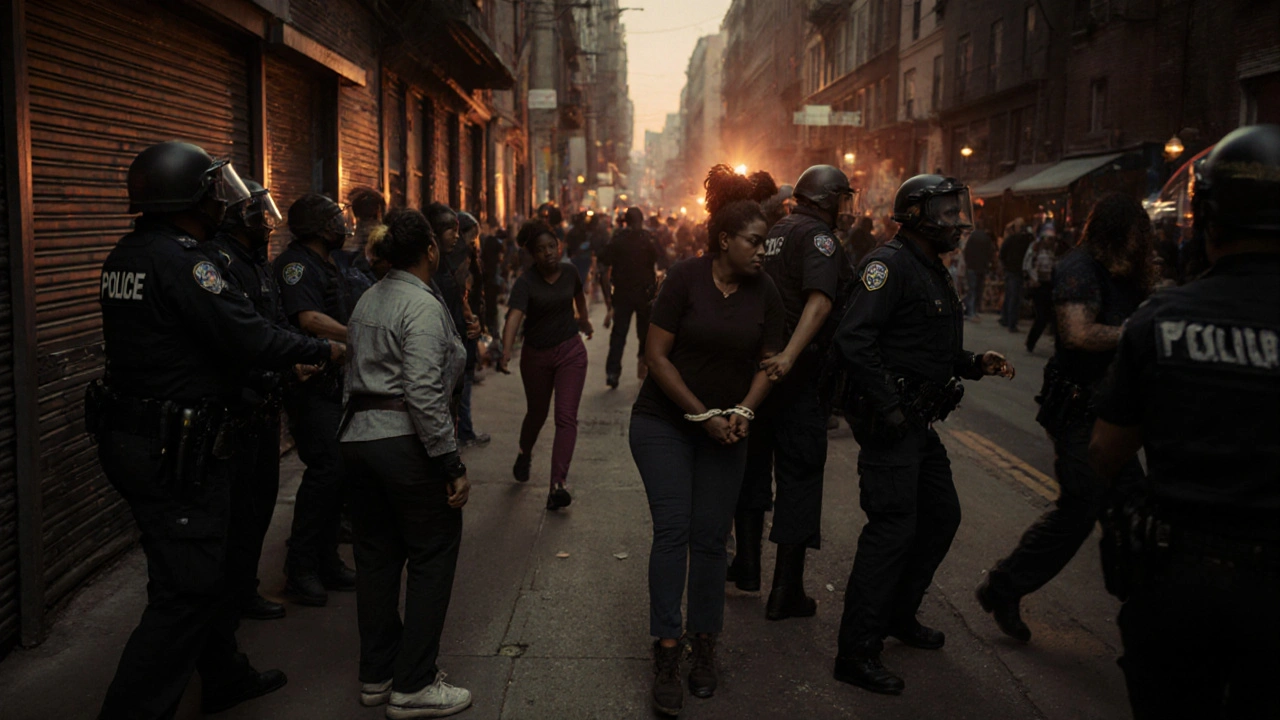
When it comes to laws around sex work, there’s no middle ground. Countries have picked three main paths: the Nordic model, the New Zealand model, and full criminalization. Each one claims to protect people, reduce harm, or end exploitation. But the real impact? It shows up in the lives of sex workers - not in policy brochures.
How the Nordic Model Works (And Who It Hurts)
The Nordic model, first introduced in Sweden in 1999, says selling sex isn’t a crime - but buying it is. The idea is simple: punish the buyer, not the seller. The goal? To shrink demand until sex work disappears. Sweden, Norway, Iceland, Canada, France, Ireland, and Israel all use this version. Fines for buying sex range from $750 to $1,500 USD in Sweden, and that money is supposed to fund support services for people wanting to leave the industry. But here’s what the data shows: when buyers are pushed underground, sex workers don’t get safer - they get more isolated. In Norway, after the model was adopted in 2009, sex workers told Amnesty International they couldn’t work with others for safety anymore. If they called police after a violent client, they risked being arrested for “working together.” That’s not protection. That’s punishment by proxy. A 2022 survey of sex workers in Sweden, Norway, and Finland found 78% avoided police even during violent attacks. Why? Fear of deportation - especially among migrant workers, who make up 63% of respondents. The model claims to be feminist and abolitionist, but in practice, it criminalizes survival. Police training and public campaigns sound good on paper, but without real housing, job training, or mental health access, the “exit services” often don’t exist. France’s 2020 audit showed only 35% of promised support centers were even open.The New Zealand Model: Decriminalization in Action
In 2003, New Zealand passed the Prostitution Reform Act - and became the only country to fully decriminalize sex work. Selling, buying, and even working together? All legal. The law treats sex work like any other job. That means workers can form collectives, negotiate prices, and insist on condom use. Section 17 bans coercion. Section 18 bans underage involvement. And Section 19 makes it illegal to profit from someone under 18. The results? A 2008 government review found 90% of sex workers gained access to new legal rights - health care, workplace safety, and the ability to report violence without fear. By 2023, 70% said they were more likely to go to police after an assault. That’s a jump from 47% before decriminalization. The number of workers who felt they could refuse a client rose from 47% to 68%. Online ads are now the norm. The Canadian Parliamentary Research Bureau found 80% of sex work happens online - and indoor work has a 15% violence rate, compared to 45% for street-based work. In New Zealand, decriminalization helped shift work indoors. The 2022 review confirmed: no rise in trafficking, no increase in sex work numbers, and 85% of workers reported better conditions. Only 0.5% said they felt forced to stay in the industry. Critics say it’s harder to prosecute traffickers. But New Zealand took 12 years to convict one trafficker under the new law - and the U.S. State Department’s 2020 report found only two trafficker convictions in the entire country since 2003. That’s not because decriminalization protects traffickers. It’s because trafficking is rare in a system where workers can report abuse without fear.
Full Criminalization: The Old Way That Fails Everyone
In most of the U.S. (except Nevada’s licensed brothels), Russia, and China, sex work is fully criminalized. Everyone - buyer, seller, and third party - can be arrested. This model assumes that if you make it illegal, people will stop. But they don’t. They just get more vulnerable. In the U.S., 79% of prostitution arrests target sellers, not buyers. That means the people most at risk - often poor, Black, Indigenous, or migrant - are the ones getting locked up. A 2021 study from the National Center for Biotechnology Information found that in criminalized environments, sex workers are 49% more likely to contract HIV than in decriminalized ones. Why? Fear of arrest stops them from carrying condoms or getting tested. In 2022, the UN Development Programme found sex workers in criminalized areas access health services 3.2 times less often than those in decriminalized zones. Nevada’s brothel system is the exception. Workers must get tested every two weeks, pay for licenses, and follow safety rules. But it’s a tiny fraction of the market. Outside Nevada, the system is broken. Police focus on street workers, not traffickers. Clients rarely get charged. And workers? They’re treated like criminals, not victims.What the Numbers Don’t Tell You
Homicide rates get thrown around a lot. The Nordic Model Now group claims Sweden has a lower homicide rate (0.03%) than New Zealand (0.18%). But they’re comparing tiny populations. Sweden has 2,500 sex workers. New Zealand has 8,000. That’s not a fair comparison. More importantly, homicide is rare. What’s common? Violence, eviction, police harassment, and medical neglect. The World Health Organization says criminalization increases HIV risk by nearly 50%. The Global Network of Sex Work Projects estimates 40 to 100 million sex workers worldwide - and 72% work independently. They’re not pimps’ puppets. They’re people trying to survive. The Nordic model treats them as victims who need saving. The New Zealand model treats them as workers who need rights. Full criminalization treats them as criminals who need punishing. Reddit threads from sex workers tell the real story. In 2023, 68% of 1,247 comments from New Zealand workers supported keeping decriminalization. Only 22% of 873 comments from Nordic countries said they were satisfied with their laws. That’s not ideology. That’s lived experience.