For centuries, before colonial laws and religious dogma reshaped identities, Island Southeast Asia was home to spiritual leaders who didn’t fit into the boxes of man or woman. These were not outliers. They were essential. The gender-nonconforming healers - the Bissu of Sulawesi, the babaylans of the Philippines, the to burake of Toraja - held power not in spite of their difference, but because of it. Their very existence blurred the lines between male and female, human and spirit, earth and sky. And in that blur, communities found balance.
The Spirit That Walks Between Worlds
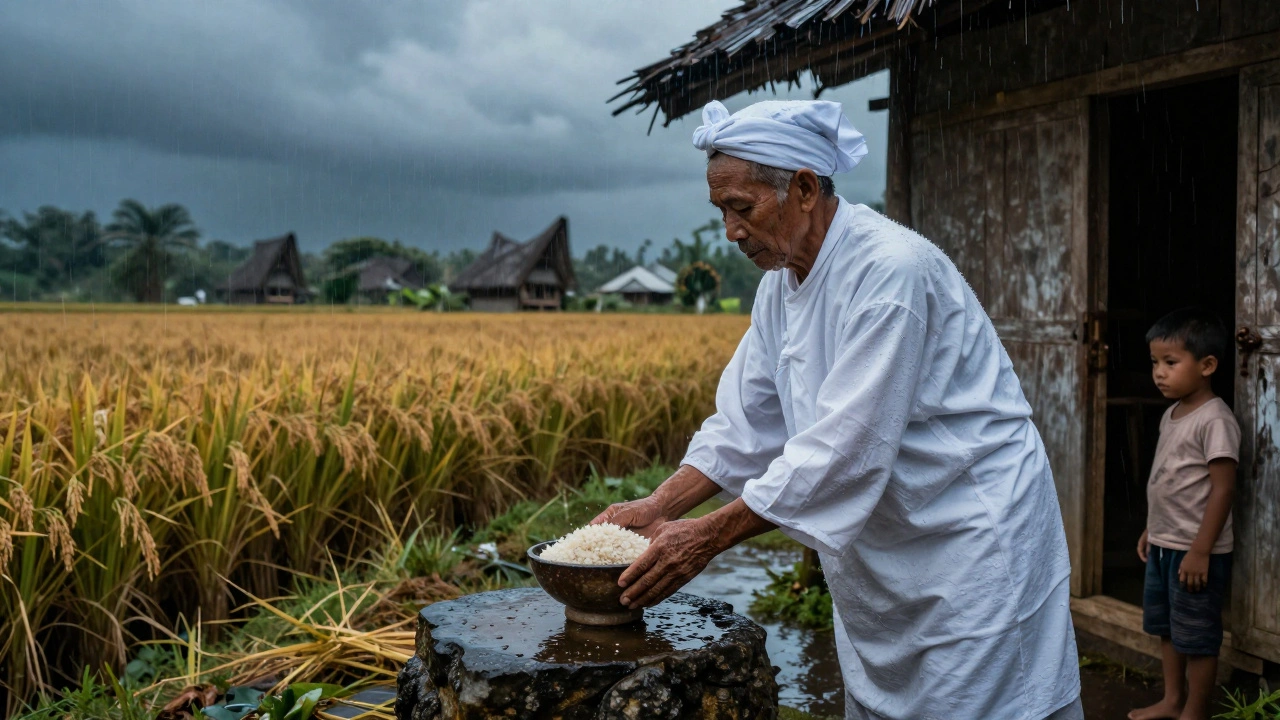
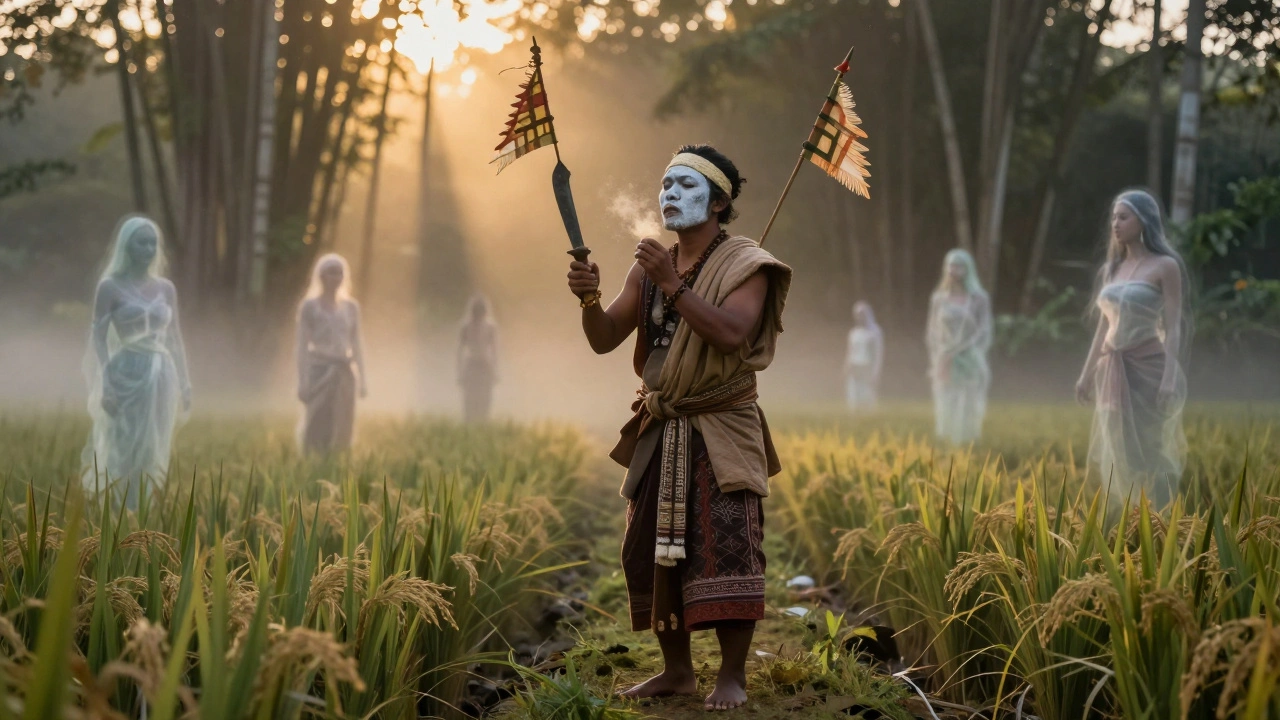
In pre-colonial Sulawesi, the Bissu were more than shamans. They were living bridges. Born male or female, they embodied both genders at once - not as a choice, but as a sacred state. Their clothing mixed elements of male and female attire. Their rituals required them to chant in voices that shifted tone, move in ways that defied gendered norms, and carry sacred objects that symbolized cosmic unity. They were the only ones allowed to crown kings, bless royal regalia, and perform rites to ensure rice harvests. A field blessed by a Bissu didn’t just grow - it thrived. Anthropologist Hetty Nooy-Palm recorded that Torajan farmers trusted to burake - men who lived as women - to bless their rice paddies because the crops yielded better than those blessed by anyone else. This wasn’t magic. It was belief rooted in deep cosmology. These healers were seen as liminal beings - existing between worlds. That liminality gave them access to spirits others couldn’t reach. They didn’t just heal sickness; they restored harmony. When a village faced drought, it was the Bissu who danced for rain. When a child fell ill, it was the babaylan who called upon ancestral spirits. When a dispute broke out between families, the Iban manang bali stepped in. Their authority came not from force, but from spiritual legitimacy.Across the Archipelago: Different Names, Same Sacred Role
The Philippines had the babaylan - often female, sometimes male, always gender-fluid. Spanish missionaries like Francisco Colin wrote in the 1600s about how deeply respected these figures were. They were healers, priests, historians, and oracles. Before colonization, babaylans held more influence than local chiefs. They knew the names of ancestors, the songs of the wind, and the language of dreams. When Spanish priests arrived, they didn’t just convert people - they hunted babaylans. Many were burned, exiled, or forced to marry. Their oral traditions were erased. Today, only fragments remain. In Malaysia, the sida-sidas were court priests assigned male at birth but dressed, spoke, and moved as women. They guarded the spiritual boundaries of royal palaces in Negeri Sembilan and Kelantan. Their role wasn’t decorative - it was protective. They were believed to ward off evil spirits that threatened the ruler’s soul. These traditions were documented in 15th-century palace records, long before Western ideas of gender became dominant. In Indonesia’s Bugis society, gender wasn’t binary. There were five: oroané (men), makkunrai (women), calalai (assigned female at birth but lived as men), calabai (assigned male at birth but lived as women), and Bissu (androgynous spirit intermediaries). This wasn’t a modern concept. It was baked into their culture for hundreds of years. The calabai weren’t seen as ‘men pretending to be women.’ They were their own category - essential to rituals, weddings, and funerals. Their presence was expected. Their wisdom was sought. Even in Borneo, among the Iban and Ngaju Dayak, transgender ritual specialists called manang and basir were accepted because their spiritual power was undeniable. Communities didn’t have to understand their gender to respect their role. If a manang could cure a fever with a chant, or stop a feud with a ritual, their identity didn’t matter. Their results did.Colonial Erasure: When Power Became Sin
The shift didn’t happen overnight. It started with religion. Dutch colonists in Indonesia and British missionaries in Malaysia and the Philippines saw gender fluidity as a moral failure. Islamic reformers in the 17th century began labeling these roles as ‘deviant.’ Christian missionaries called them ‘demonic.’ Colonial courts banned their rituals. Temples were destroyed. Healers were arrested. In the Philippines, Spanish records show babaylans being publicly humiliated and forced to convert. In Sulawesi, the Bissu were stripped of their royal duties after the Bugis kingdom converted to Islam. By the 1800s, these roles were no longer celebrated - they were hidden. The colonial state didn’t just change laws. It changed minds. Families stopped teaching their children the old ways. Young people were pressured to conform. The spiritual authority of these healers was replaced by state-sanctioned doctors and priests who had no connection to ancestral spirits. Today, only about five active Bissu remain in South Sulawesi, according to Arus Pelangi, an Indonesian LGBTQ+ rights group. The waria - modern descendants of the Javanese lengger lanang tradition - face daily violence. An 89% abuse rate reported in 2022 isn’t just statistics. It’s the legacy of centuries of erasure.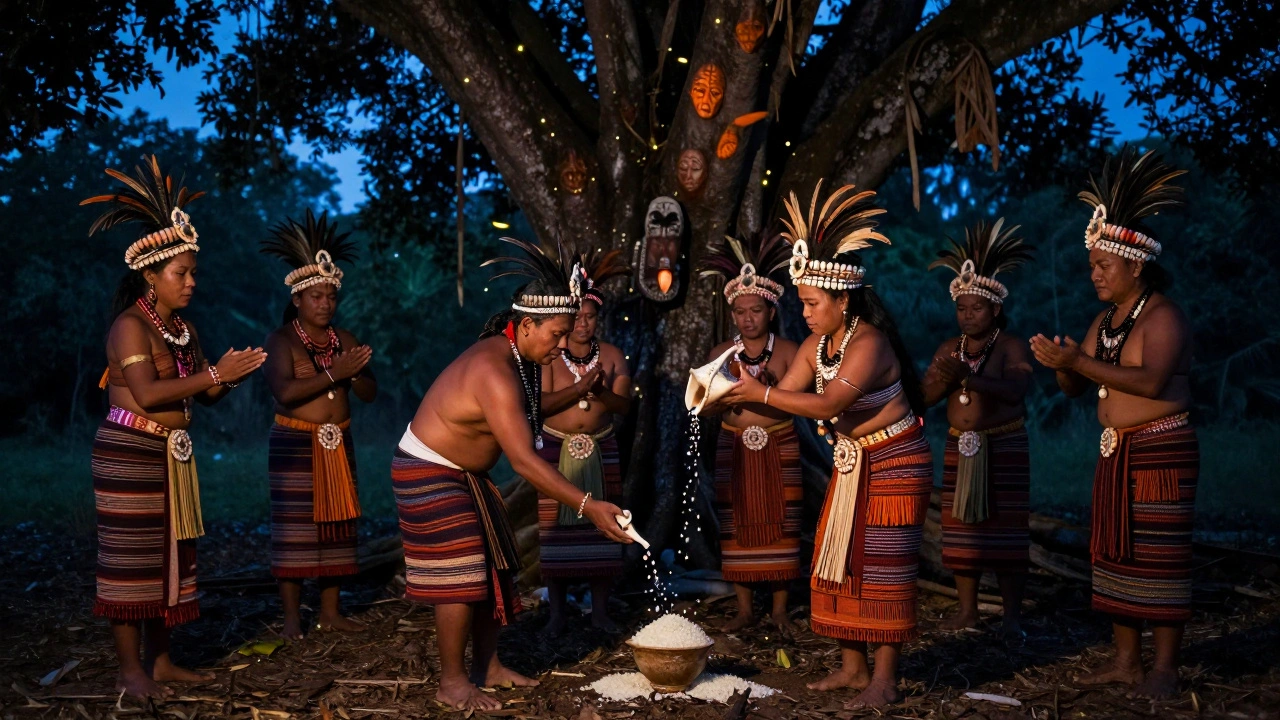
Why Did These Roles Survive at All?
Because communities needed them. Even when the state tried to erase them, people kept calling on them in secret. In rural Toraja, farmers still ask to burake to bless their rice. In parts of the Philippines, elders whisper the names of old babaylans when a child is sick. In Ponorogo, Indonesia, the warok-gemblak tradition - where older men mentored young boys in dance and spiritual discipline - may be fading, but women are now stepping into the gemblak role, quietly reshaping it. Thailand’s kathoey offer a different story. While not healers in the same ritual sense, kathoey have been recognized on government forms since the 1990s. Buddhist teachings, which view gender as fluid across lifetimes, allowed space for them to exist - even if imperfectly. Their visibility didn’t come from activism alone. It came from cultural memory. People remembered that gender had never been so rigid before.The Legacy Lives in the Silence
These traditions didn’t vanish. They went underground. They whispered. They survived in family stories, in hidden dances, in the way a grandmother still leaves rice on the altar for the spirits - just as the Bissu once taught. Today’s activists, scholars, and descendants are piecing together what was lost. Pauline Park’s research on transgender spiritual traditions in Asia, Sarah Ngu’s work on queer ancestors, and the oral histories collected by Arus Pelangi aren’t just academic projects. They’re acts of reclamation. The power these healers held wasn’t about being ‘different.’ It was about being whole. They didn’t need to be men or women. They were something else - something older. Something sacred. And in a world that still tries to force people into boxes, their memory reminds us: some spirits refuse to be contained.