Interactive Timeline: The Life and Legacy of Hadrian & Antinous
Click on any event in the timeline below to view detailed historical context and significance.
Key Historical Events
Select an Event
Click on a timeline entry to explore the specific historical details, political implications, and cultural impact of each phase in the story of Hadrian and Antinous.
Imagine an emperor who doesn't just tolerate a same-sex relationship but turns his lover into a god. That is exactly what Hadrian did with Antinous. In the second century AD, this wasn't a scandal; it was state policy. Their story challenges our modern assumptions about power, intimacy, and memory in the ancient world. It forces us to look at how Roman sexuality was complex, fluid, and deeply tied to social status rather than fixed gender binaries. This isn't just a romance novel plot; it's a historical case study in how personal grief can reshape an empire's religious landscape.
The Man Behind the Myth: Hadrian's Background
To understand the depth of their bond, you have to look at Publius Aelius Hadrianus, known simply as Hadrian. He became emperor in 117 AD after the death of Trajan. Unlike many rulers who relied on military conquests for legitimacy, Hadrian focused on consolidation, law, and culture. He was a builder-he constructed the famous wall in Britain that still stands today-and a patron of the arts. But he was also a man who valued close, male bonds. In Roman society, relationships between men were common, but they usually followed strict hierarchies. The older partner took the active role, and the younger took the passive one. Hadrian broke this mold by treating Antinous not just as a boy or a slave, but as an equal companion.
Who Was Antinous? Origins and Rise
Antinous (born Leukippos) came from Bithynia, a region in modern-day Turkey. Historical records are sparse, suggesting he may have been of humble origin, possibly even enslaved. Around 123 AD, he caught Hadrian’s eye during the emperor’s tour of the eastern provinces. Within a few years, he rose to become the emperor's closest confidant. Coins minted across the empire show them together, often in intimate poses. These weren't secret images; they were public declarations. By featuring Antinous on currency, Hadrian signaled that this relationship had official sanction. For a Roman audience, this was unusual because it blurred the lines between private affection and public duty.

The Nile Journey and the Tragic Death
In 130 AD, Hadrian embarked on a long voyage down the Nile River in Egypt. Antinous was by his side. The journey ended in tragedy at Coptos, near modern-day Luxor. According to most ancient sources, Antinous drowned in the river. Some stories say it was an accident; others suggest a ritual sacrifice to appease the gods during a time of famine. Whatever the cause, the impact was immediate and profound. Hadrian was devastated. He didn't just mourn privately; he launched a massive campaign to immortalize his lover. Within months, statues of Antinous appeared in temples across the Mediterranean. Cities renamed themselves in his honor. The speed of this transformation shows just how much political capital Hadrian invested in preserving Antinous's memory.
From Mortal to God: The Cult of Antinous
This is where the story gets truly unique. Hadrian deified Antinous, creating the the cult of Antinous, a state-sponsored religion dedicated to the deified lover of Emperor Hadrian. This wasn't a local folk belief; it was institutionalized. Temples were built in Athens, Ephesus, and Alexandria. Festivals were held in his name. Priests served him alongside traditional Greek and Egyptian deities. Why go to such lengths? For Hadrian, it was about control and legacy. By making Antinous a god, he ensured that his lover would be remembered forever, protected by divine law. It also allowed Hadrian to express his grief publicly without losing face. In a culture that prized stoicism, turning pain into worship was a powerful way to manage public perception while honoring personal loss.
| Feature | Traditional Imperial Deification | Cult of Antinous |
|---|---|---|
| Subject | Emperors and high-ranking officials | A non-imperial male companion |
| Timing | After death, formal Senate vote | Rapid, driven by imperial will |
| Iconography | Military and civic symbols | Intimate, youthful, and divine attributes |
| Geographic Spread | Imperial centers | Widespread across East and West |
Art, Architecture, and Lasting Legacy
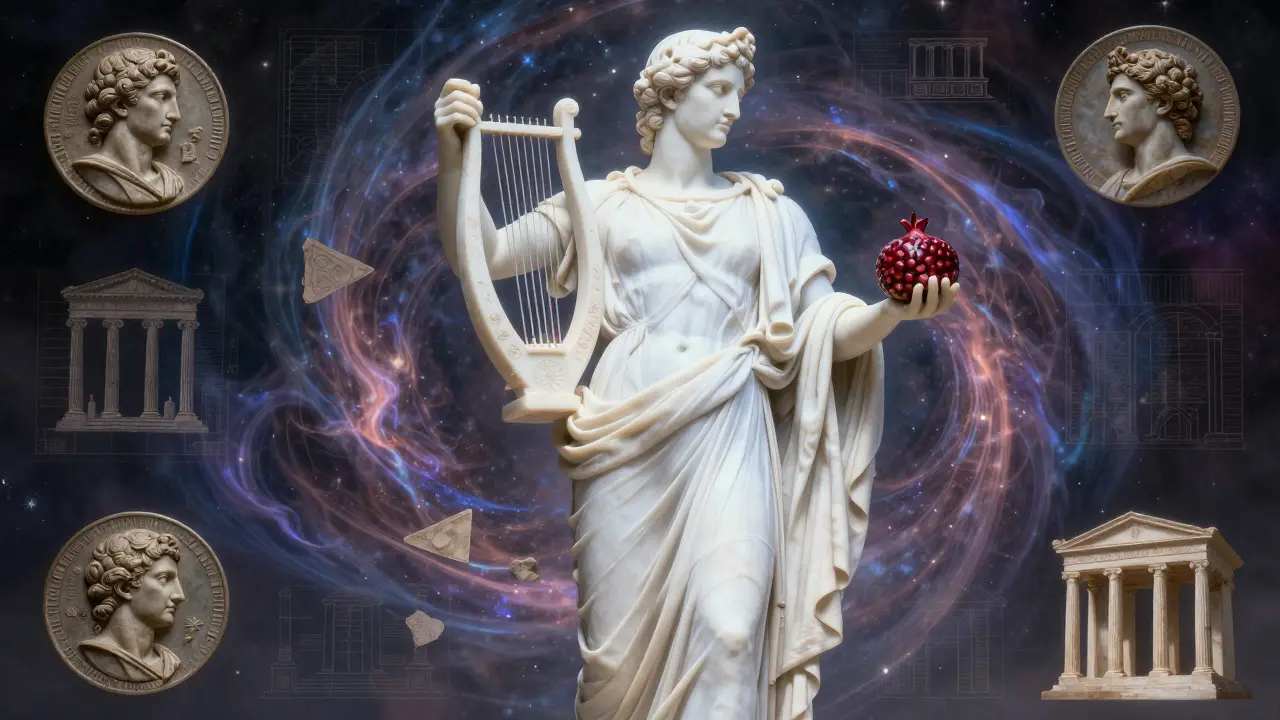
The physical evidence of their relationship is overwhelming. Statues of Antinous survive in museums from London to Istanbul. They depict him as Apollo, Hermes, or Zeus, blending Greek ideals with Egyptian features. Hadrian’s Villa in Tivoli, Italy, contains frescoes and mosaics that hint at this era of intense artistic production. Even after Hadrian died in 138 AD, the cult continued for decades. It only faded when later emperors shifted focus back to traditional Roman values. Yet, the impact remained. The idea that an emperor could elevate a lover to divinity left a mark on how we view ancient sexuality as a spectrum of social and spiritual expression rather than a binary choice. Today, historians use their story to challenge outdated notions of repression in antiquity, showing instead a society capable of profound emotional complexity.
Frequently Asked Questions
Was Antinous actually a god?
In the context of the Roman Empire, yes. He was officially deified by imperial decree. People prayed to him, sacrificed to him, and visited his temples. Whether he was "real" depends on your definition of divinity, but socially and legally, he functioned as a deity for nearly a century.
Did Romans generally accept same-sex relationships?
It depended on status and age. Relationships between free adult men were less stigmatized than those involving slaves or minors, provided the older man took the active role. However, Hadrian and Antinous stood out because of the emperor's public endorsement and the deification involved, which went beyond typical social norms.
Where can I see artifacts related to Hadrian and Antinous?
Major collections exist in the British Museum in London, the Louvre in Paris, and the Archaeological Museum of Istanbul. Hadrian’s Villa in Tivoli, Italy, is a UNESCO World Heritage site that offers context on the emperor's life and artistic tastes.
Why did the cult of Antinous disappear?
It declined as the political climate changed. Later emperors like Marcus Aurelius favored more traditional Stoic values. As Christianity rose, the pagan cults lost state support. Without imperial backing, the specific worship of Antinous faded, though his image survived in art.
What does their story tell us about Roman sexuality?
It shows that Roman sexual norms were flexible and tied to power dynamics rather than gender identity. The fact that an emperor could make his lover a god indicates that personal relationships could intersect with state religion in ways we don't always expect. It complicates the narrative of ancient repression.